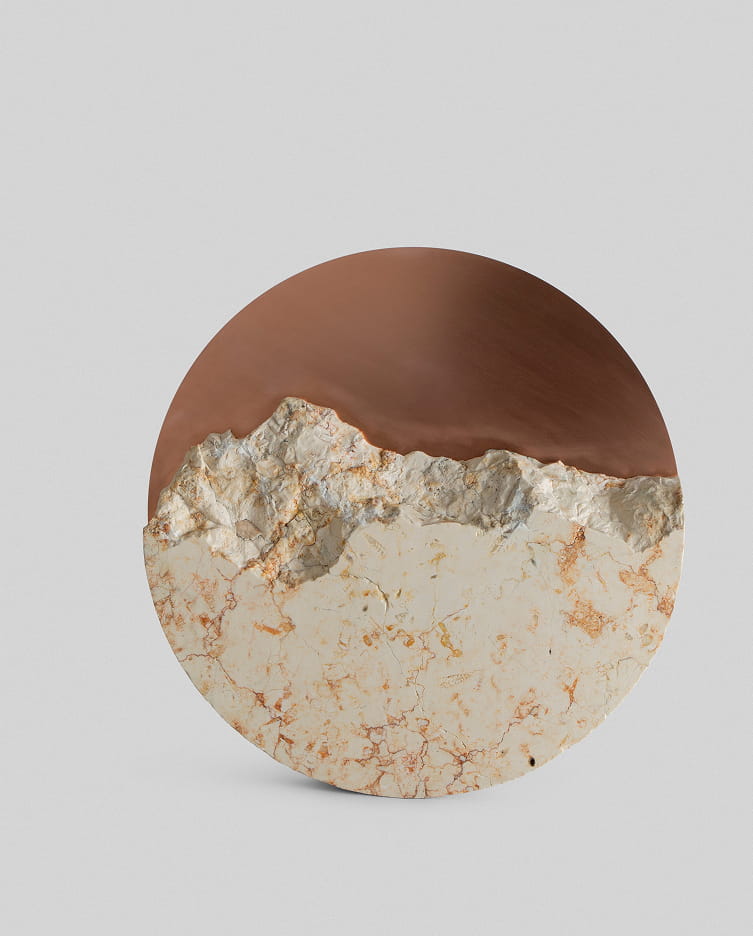
Gestural Chromatic Atmospheres
Arantxa María Solis Pozos is a visual artist born on April 27, 1990, in Cali, Colombia, who currently resides and develops her artistic practice in Mexico. Her professional background originated in the field of architecture at the Universidad Nacional Autónoma de México (UNAM), where she graduated from the Max Cetto Studio at the Faculty of Architecture. During her undergraduate studies, she completed an international academic residency at L’École Nationale d’Architecture Paris–La Villette in France between 2012 and 2013. This structural and spatial foundation directly influences her subsequent transition and consolidation within the fine arts—a field in which she has maintained a constant production since 2019 through gallery circuits, art fairs, and independent spaces in Mexico and the United States.
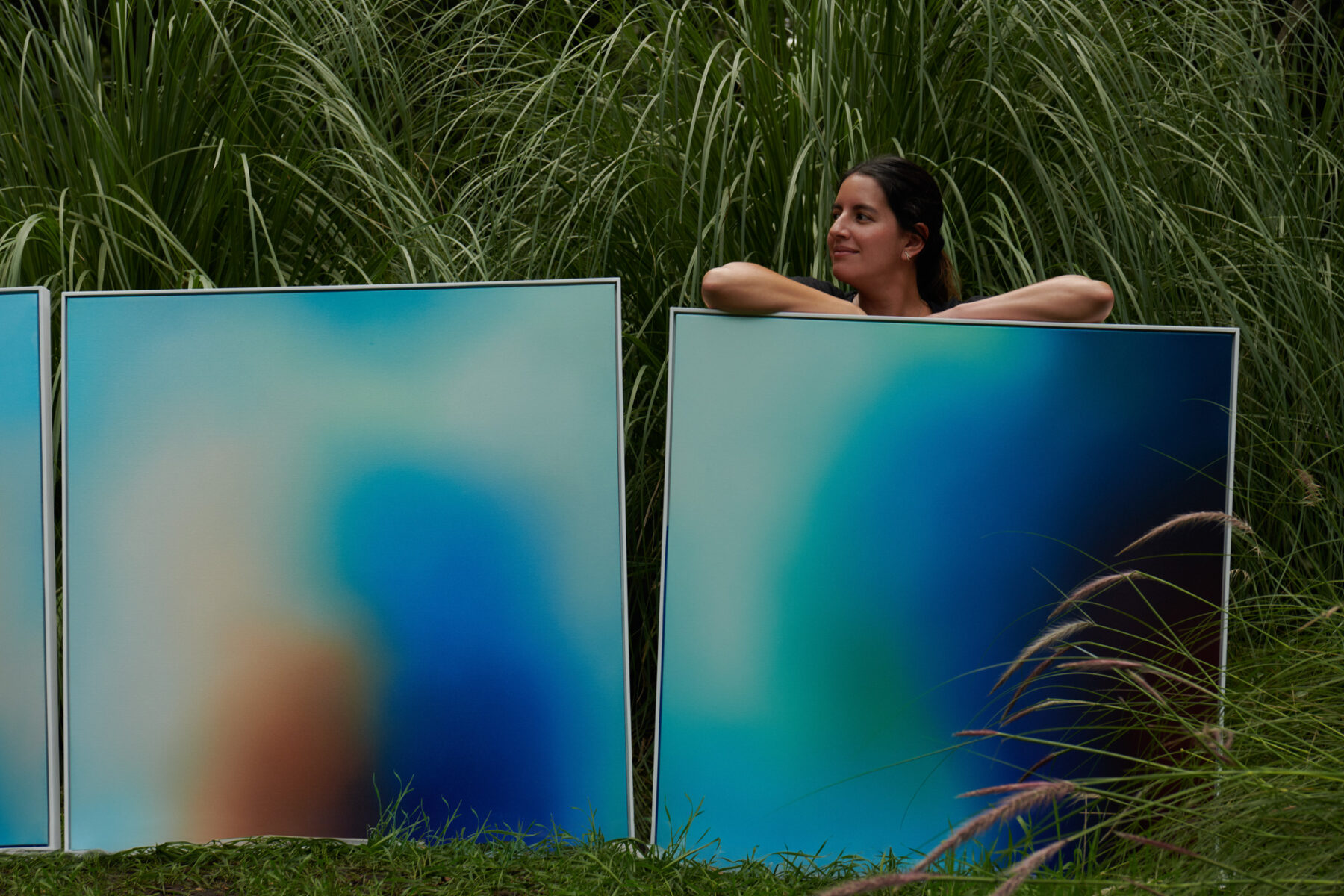
Through gestural oil application and the control of light, her work layers color to construct abstract landscapes dedicated to contemplation.
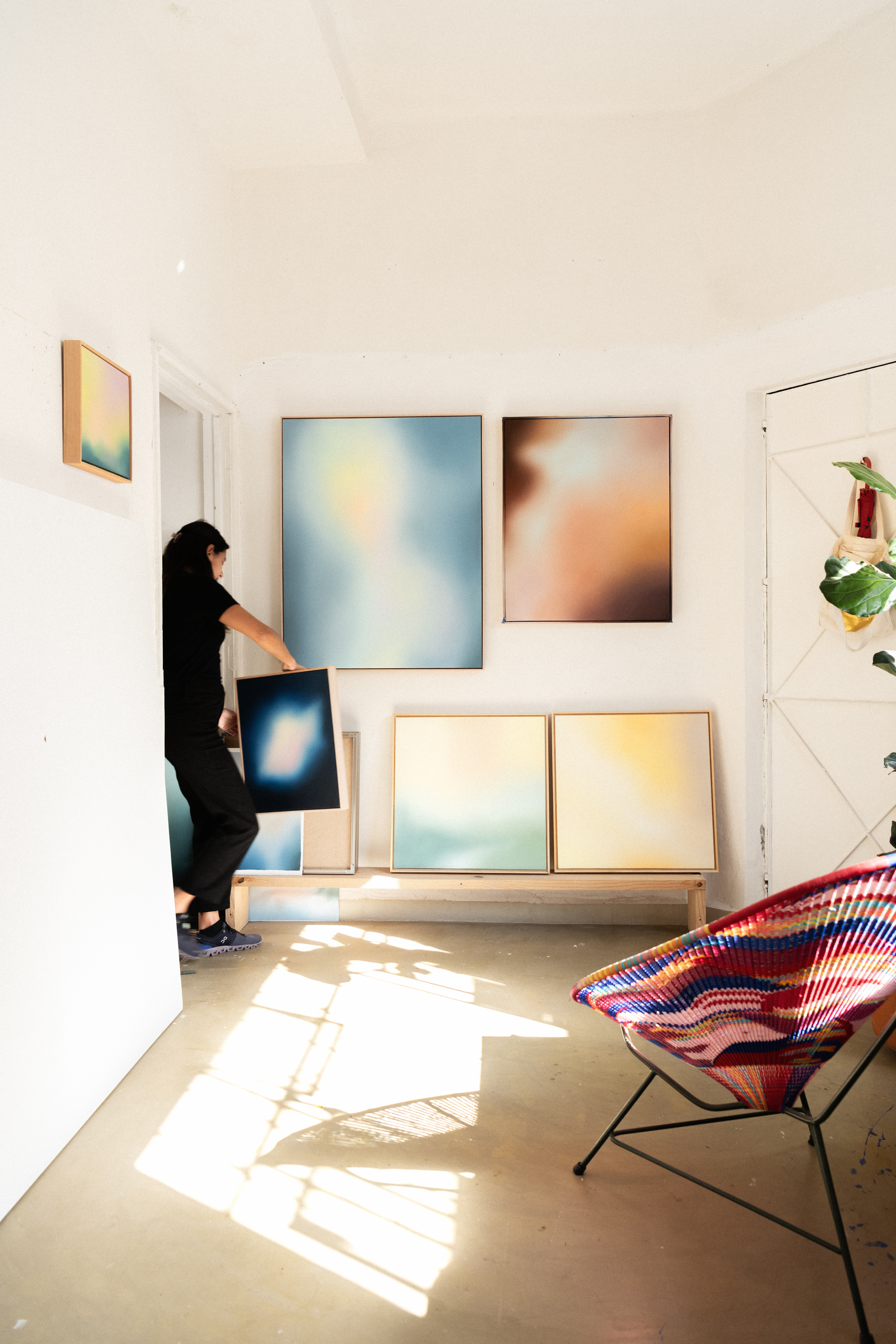
Solis Pozos’s pictorial production is executed using oil on canvas, employing a traditional brush application method that leans toward gestural brushwork. Her artistic research revolves around chromatic interaction, tonal transitions, and the behavior of light within the exhibition space. Methodologically, her work is characterized by layering and the creation of fine gradients that build abstract and contemplative color landscapes. The artist utilizes variations in paint density, the management of chromatic temperature, and the direction of the brushstroke as deliberate technical resources to structure visual planes and rhythms on the canvas, strictly avoiding literal figurative representation.
The artist’s lines of work are formally articulated through the study of atmospheric, terrestrial, and marine phenomena, which she uses as reference frameworks for color experimentation. Her recent projects investigate the dynamics of ocean currents, seasonal changes, and the properties of natural elements through the relationship between technical gesture and the materiality of oil paint. Likewise, she explores the concepts of sensory perception and synesthesia, utilizing compositions of clouds and veiled ethereal masses to activate memories or records of optical and climatic phenomena, linking the physical weight of pigment with the viewer’s visual stimulation.
Within her production, two main bodies of work exemplify her current methodologies and artistic pursuits. The series SONIDOS DE LA TIERRA (Sounds of the Earth) brings together pieces oriented toward the analysis of terrestrial natural and atmospheric phenomena, operating under the premise that these possess a visual rhythm and a latent sonic vibration that can be translated through the tension of color. Arantxa conceptually explores thermal friction and the oceanographic movements of marine upwelling through the superposition of glazes that evoke the constant pressure and flow of bodies of water.
Through a delicate study of light and chromatic tension, her paintings turn the vibration of the earth into spaces of quiet contemplation.
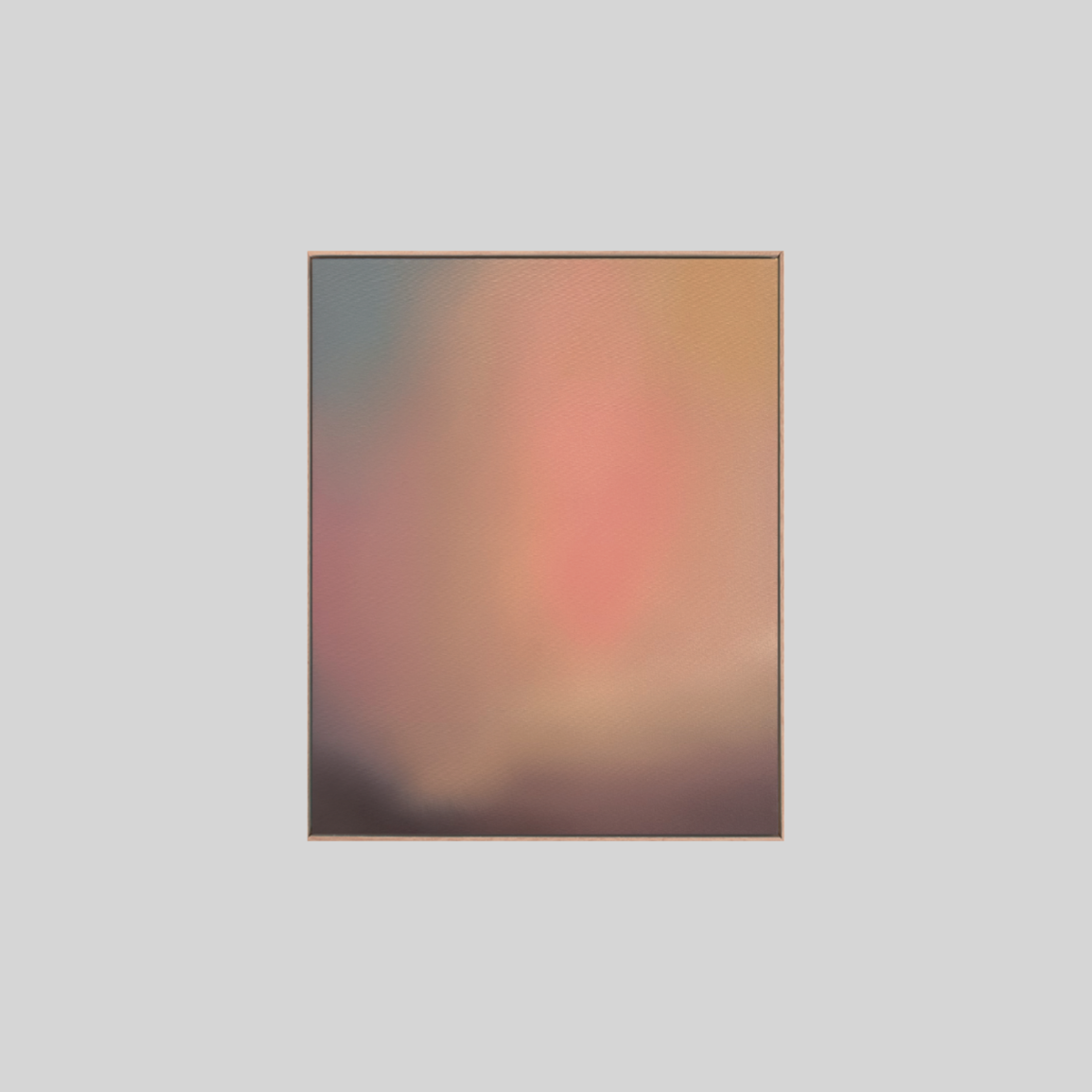
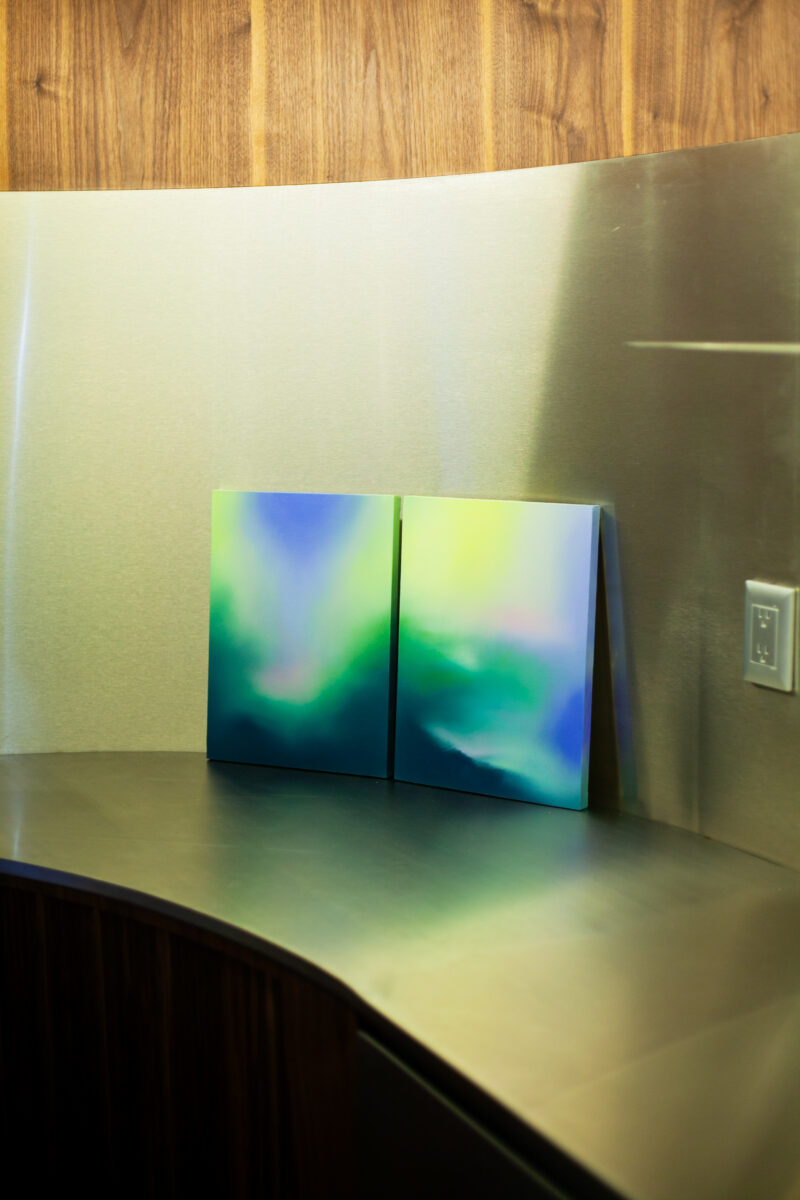
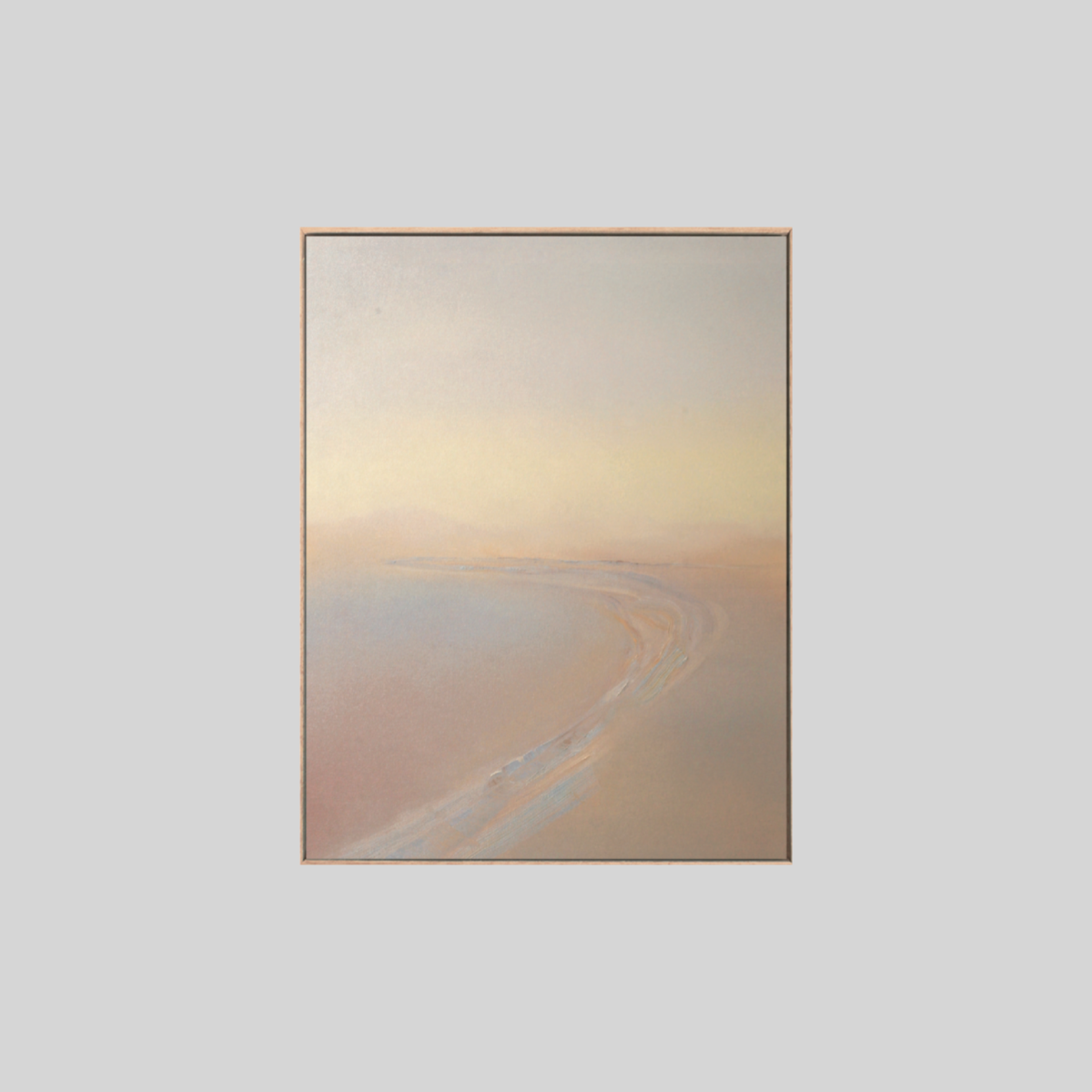
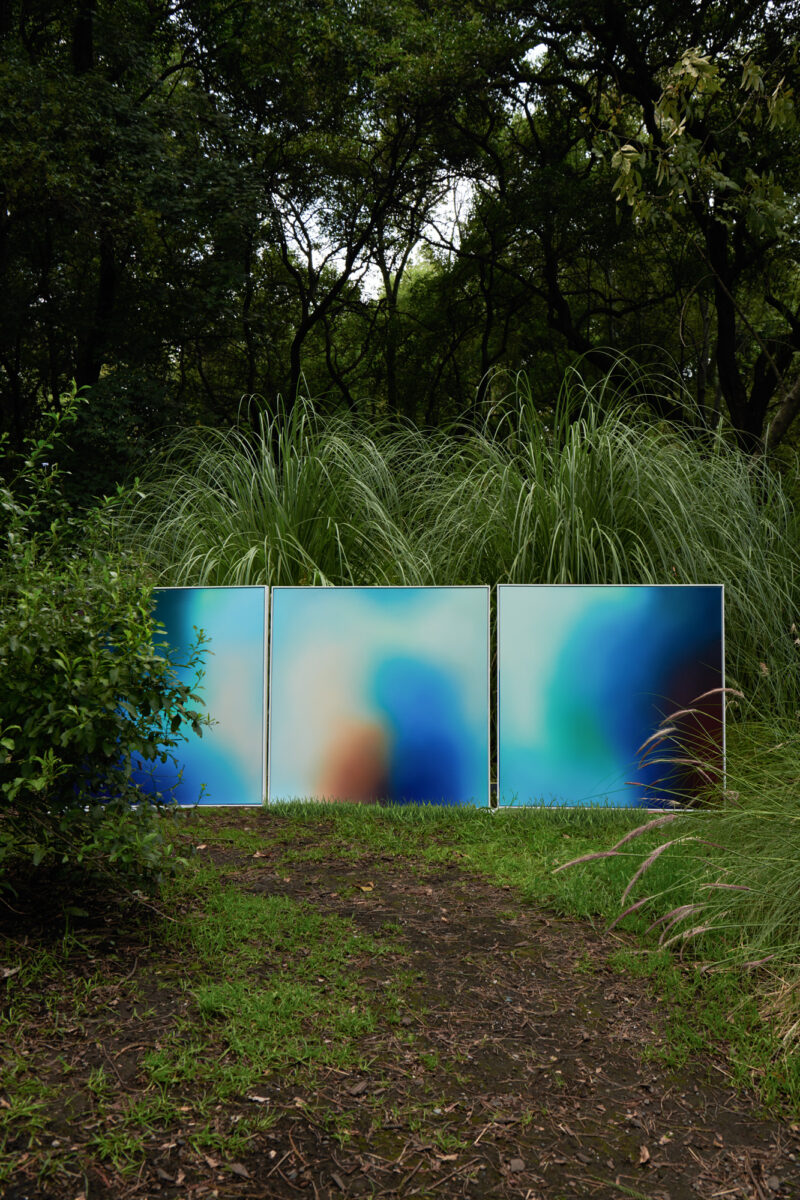
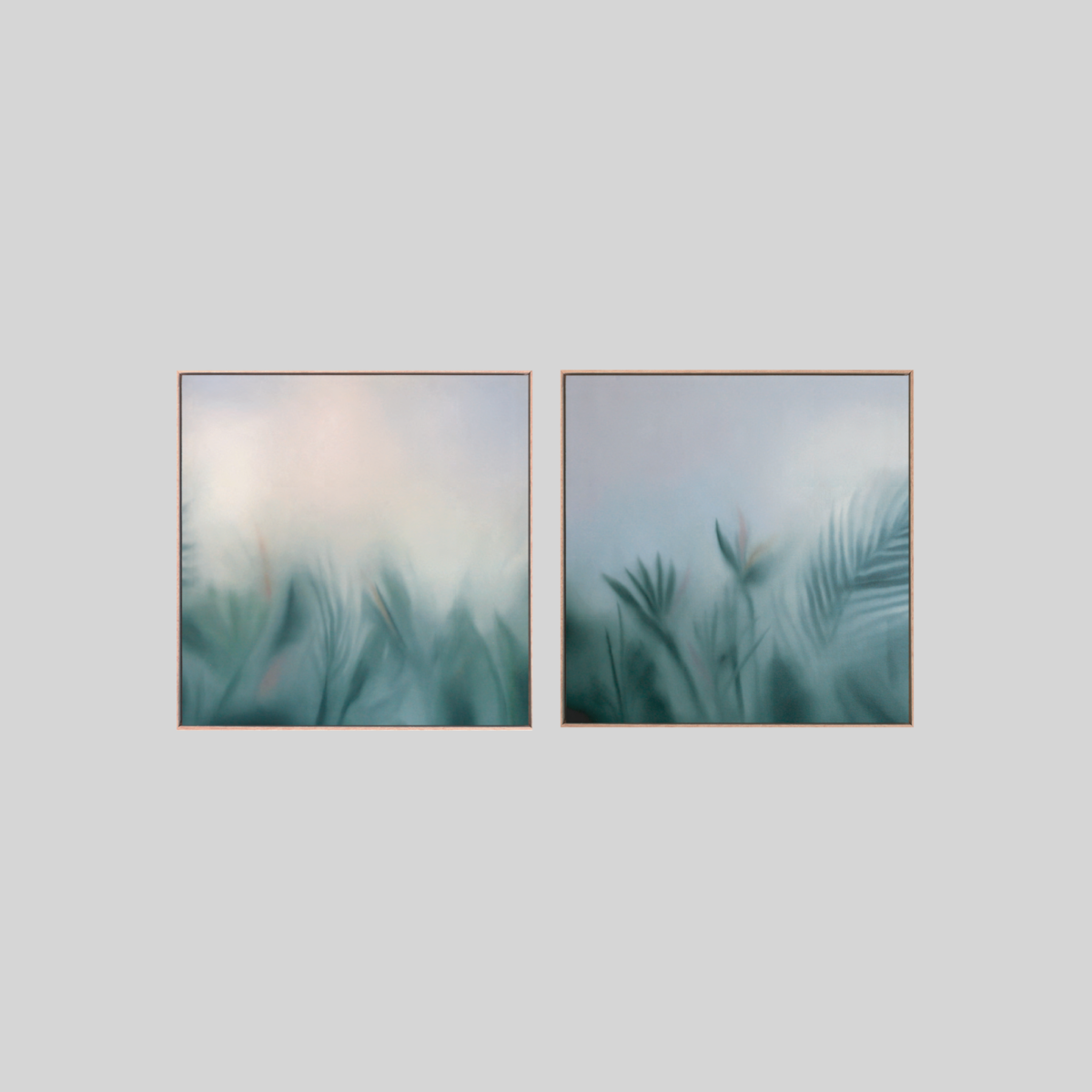
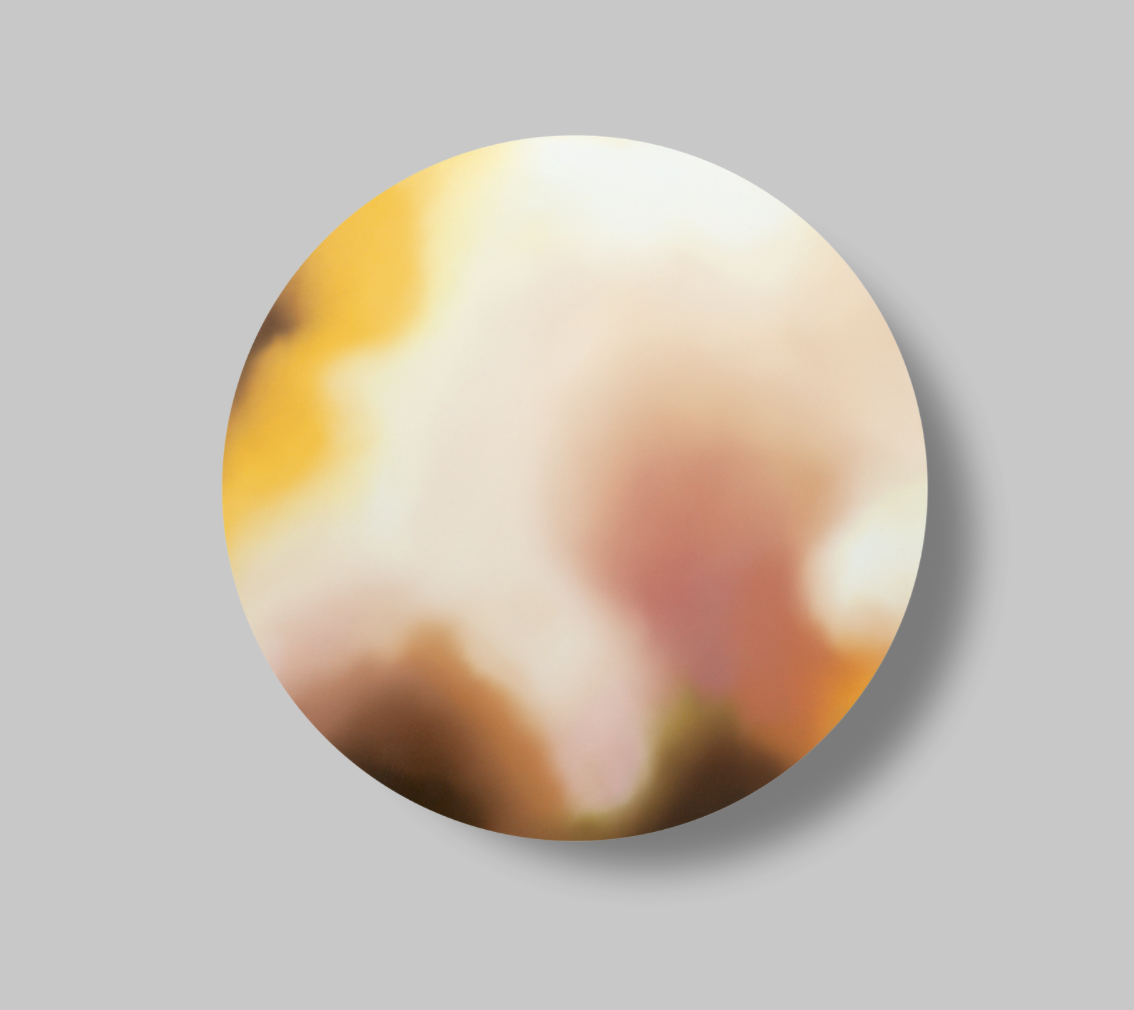
On the other hand the collection of works belonging to the exhibition SINESTESIAS (Synesthesias) shifts the research toward the internal mechanisms of perception, using ethereal elements such as clouds and mists as vehicles to materialize emotional states and the intersection of sensory stimuli. The artist investigates the interplay between light and concealment, constructing a veiled landscape that operates on the duality of the visible.
Arantxa Solis’s artworks establish a formal bridge between the structural rigor of her architectural training and the gestural freedom of contemporary abstract painting. Her current practice stands not only as a sustained investigation into color’s capacity to record atmospheric and perceptive phenomena, but also as a robust and solid proposition within today’s art market.
From a practice bridging architectural rigor and gestural freedom, her work translates natural rhythms and perceptual states into atmospheric landscapes of color.