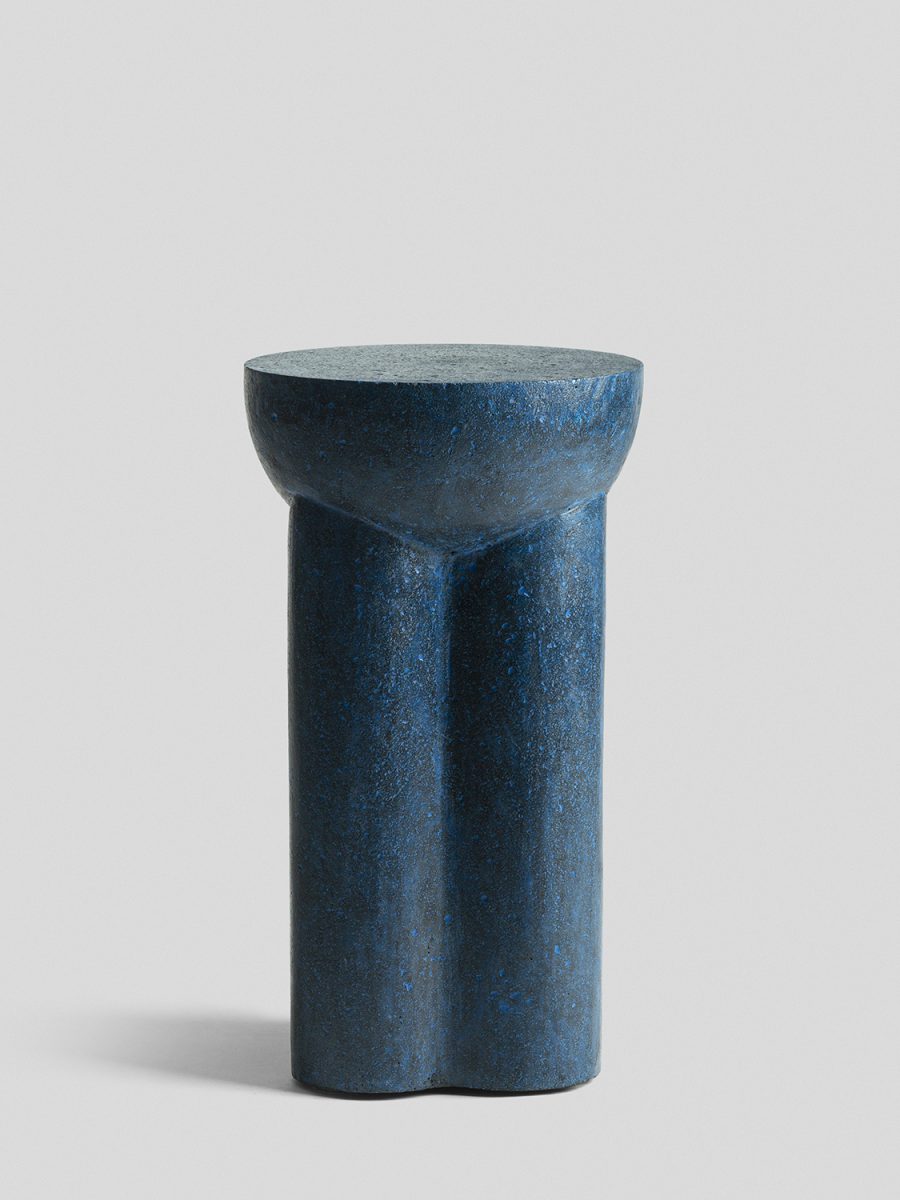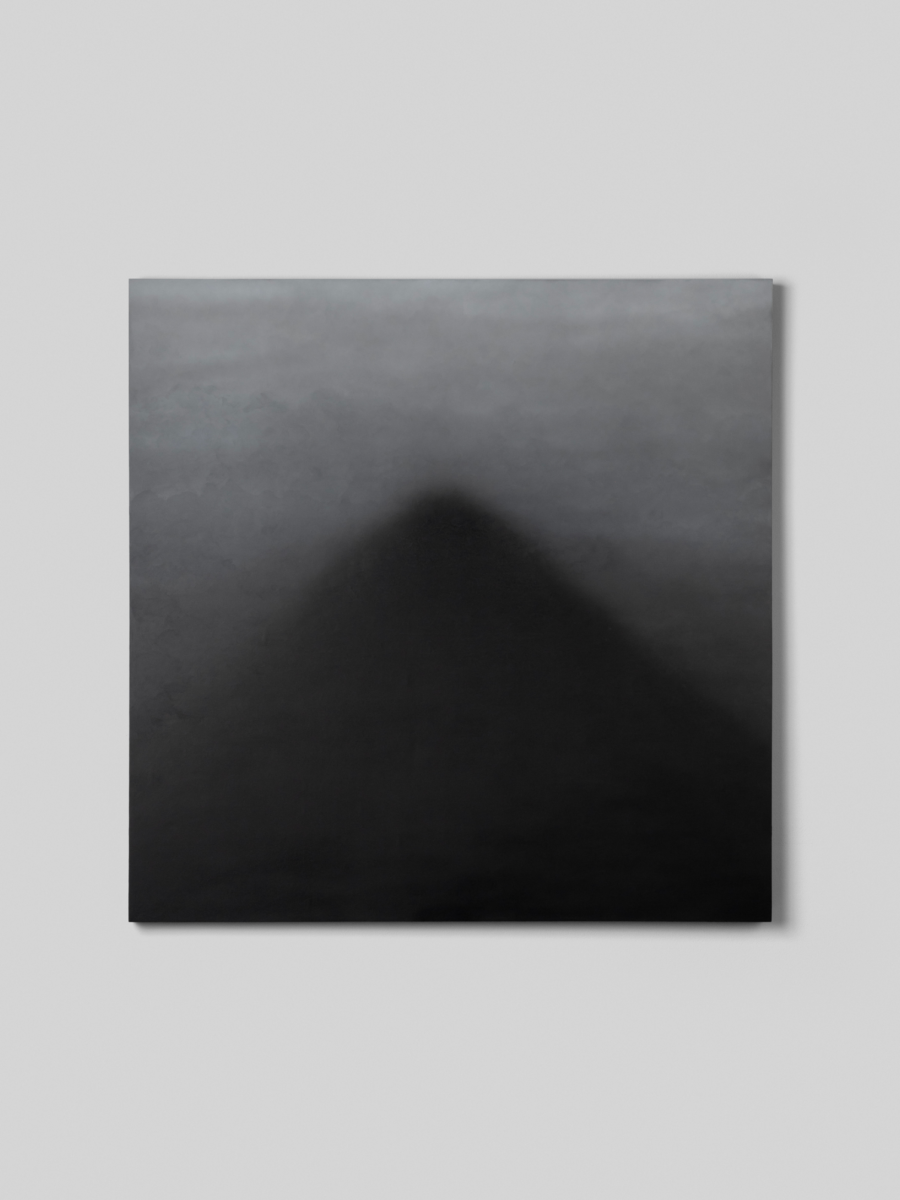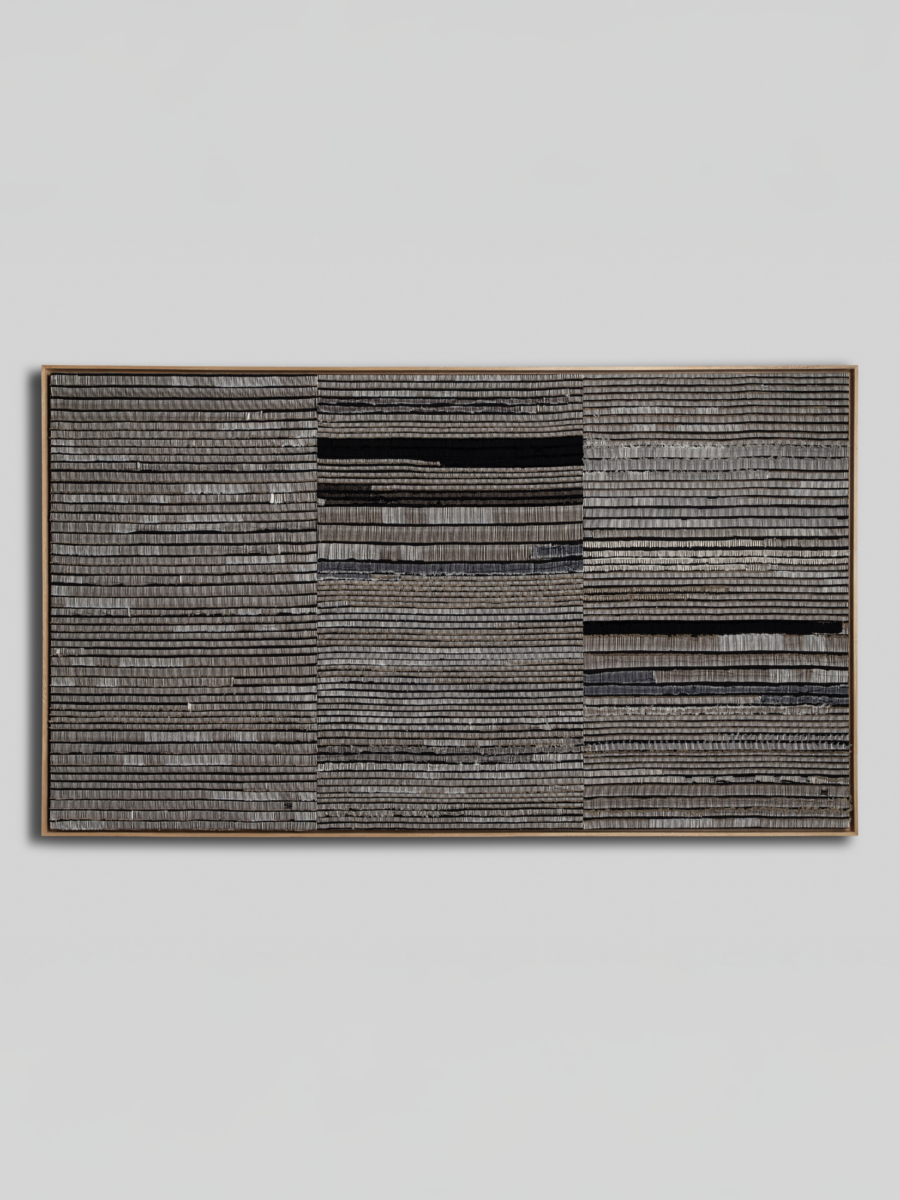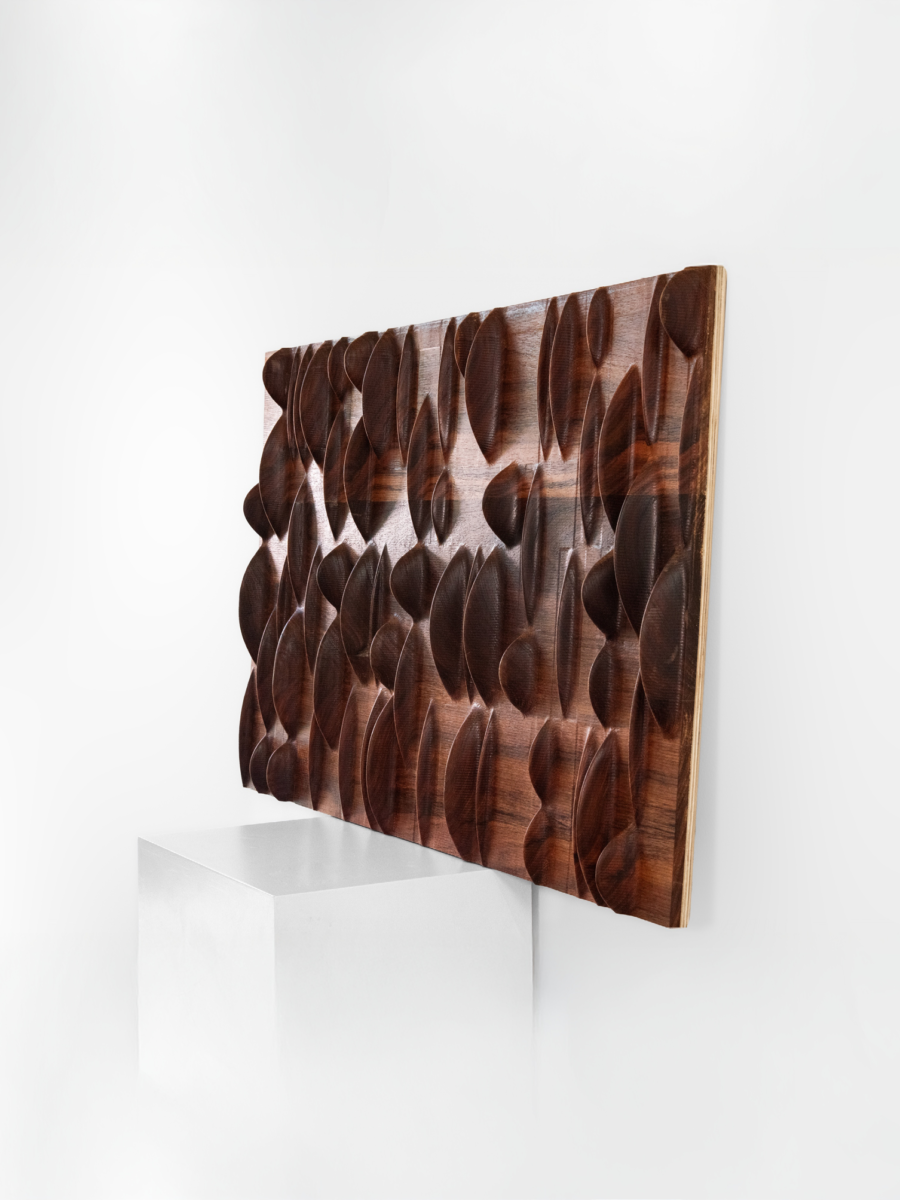
HELECHOS II
On view now
JUN 18th → AUG 21st, 2026
Artists / Designers
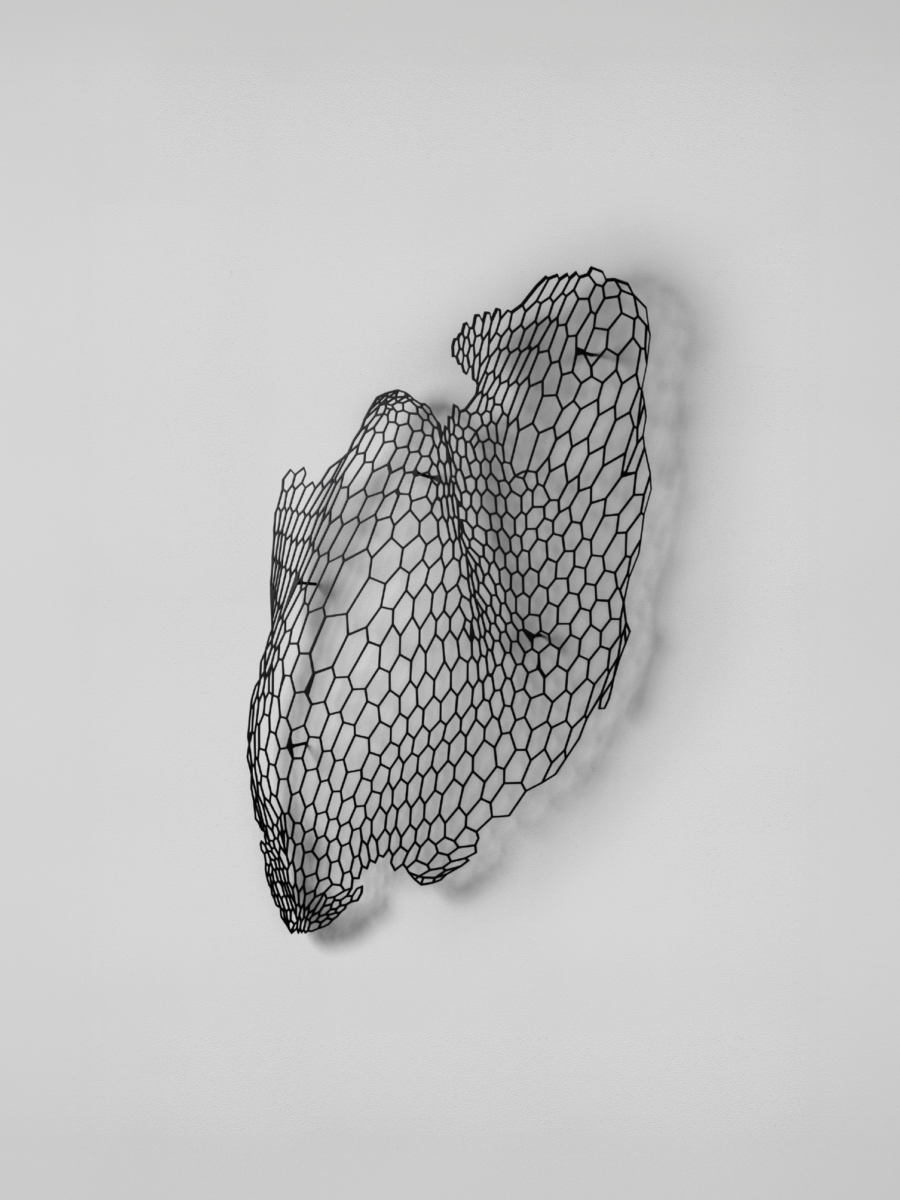
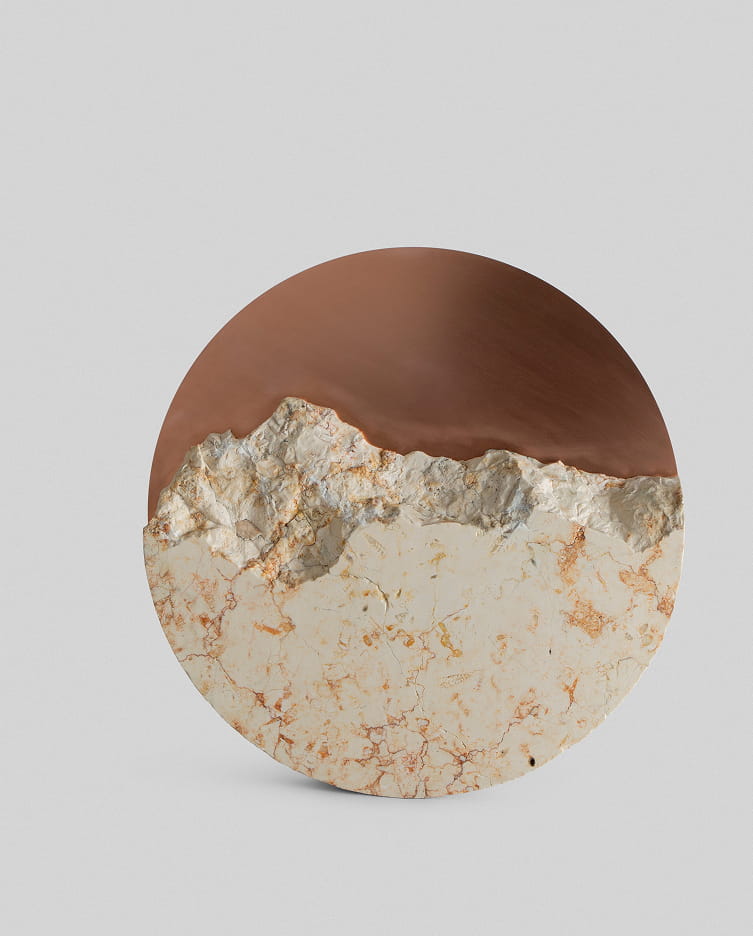
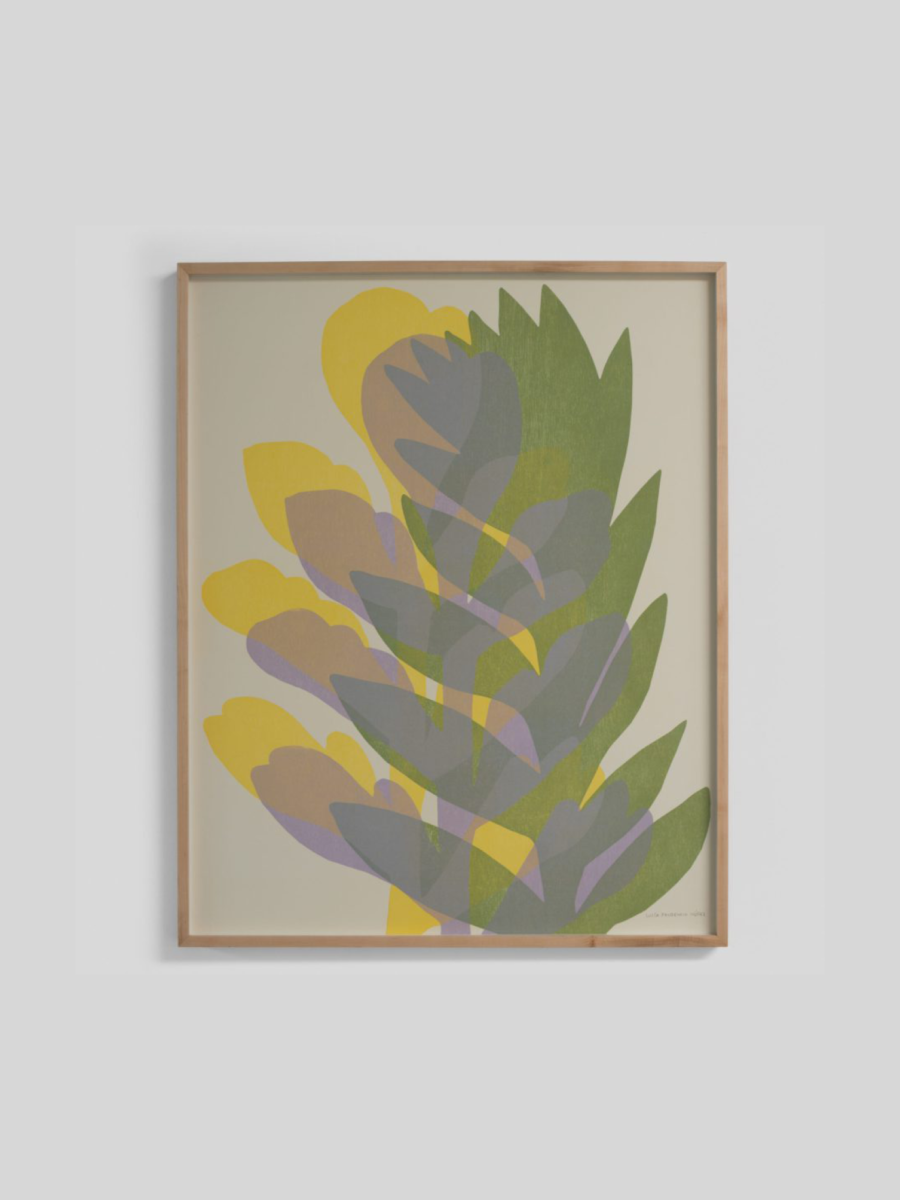
There are forms that seem to have grown, even though they were designed. There are structures that, while born from a set of rules, retain something unpredictable. Between what nature produces and what humans construct lies an intermediate territory: a place where observing and designing become one and the same act.
There is a historical precedent for naming this space. In 1541, the humanist Jacopo Bonfadio coined the term terza natura to describe the gardens of Lake Garda. In contrast to the classical distinction between a first nature—wild and untouched—and a second nature—transformed through cultivation—Bonfadio encountered a landscape that belonged fully to neither. There, nature shaped by art acquired a different condition: it remained nature, but was also artifice. Together, they produced a third nature.
The word artifice derives from the Latin ars and facere: that which is made with art, that which is made deliberately. It does not designate the opposite of the natural, but rather that which incorporates human intention. In this sense, artifice does not replace nature; it extends it.
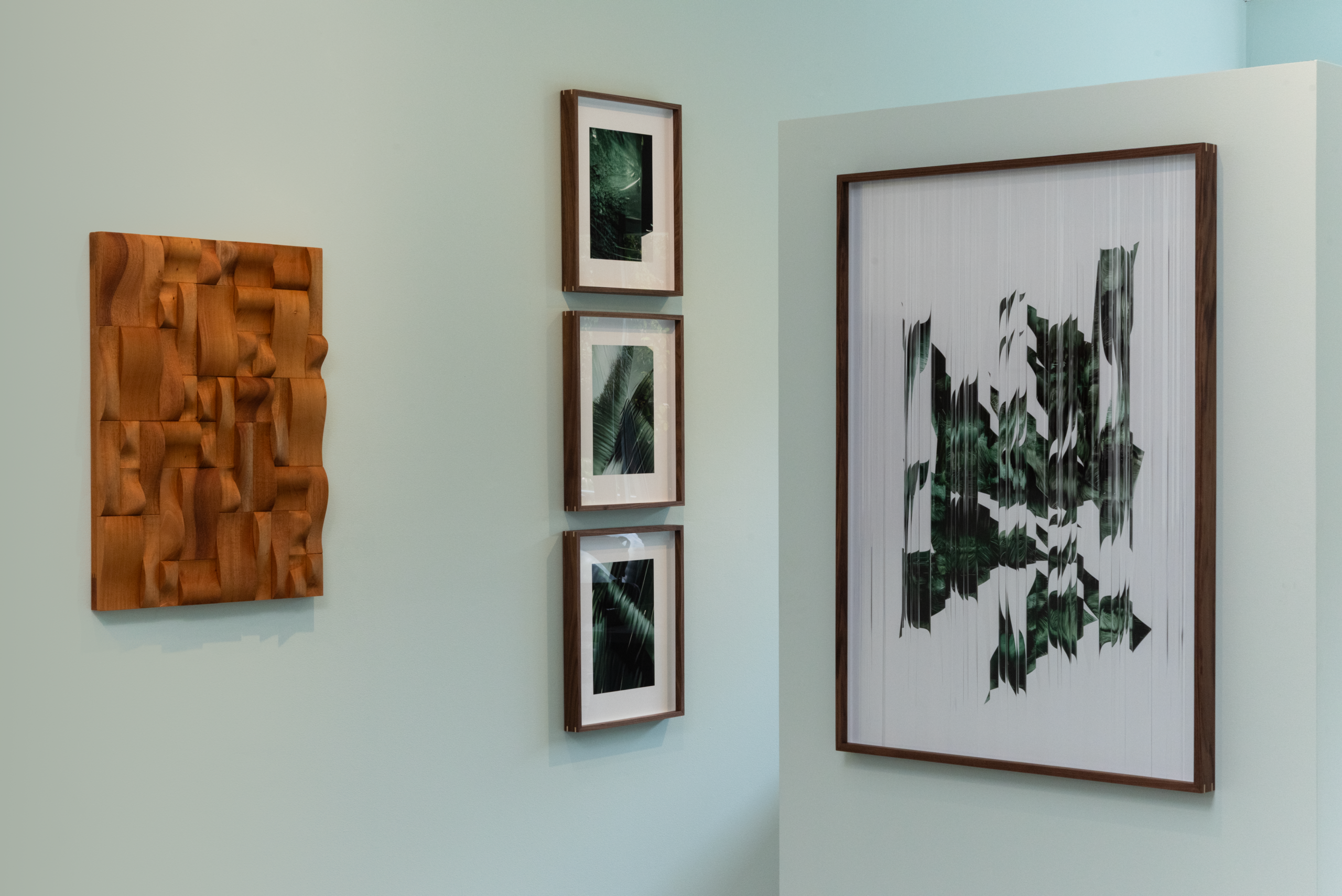
Tania Zaldivar’s practice can be understood through this same logic. If, for Bonfadio, industria referred to the human labor capable of producing a third nature, today that role is occupied by tools such as a Bézier curve, a parametric definition, or a line of code. These are the instruments through which the artist designs systems: structures capable of generating variations, behaviors, and entire families of forms. The mathematical precision of these processes never results in rigidity; instead, it produces surfaces and volumes that retain the irregularity, tension, and capacity for transformation inherent to living things.
This way of thinking about form emerges from a practice that moves across typography, graphic design, product design, and digital art. Designing a typeface means constructing a system of relationships in which each character responds to the same rules while remaining singular. This logic runs throughout Zaldivar’s work: the pieces are not isolated results, but different manifestations of a shared
language.