A GARDEN OF ARTIFICE
There are forms that seem to have grown, even though they were designed. There are structures that, while born from a set of rules, retain something unpredictable. Between what nature produces and what humans construct lies an intermediate territory: a place where observing and designing become one and the same act.
There is a historical precedent for naming this space. In 1541, the humanist Jacopo Bonfadio coined the term terza natura to describe the gardens of Lake Garda. In contrast to the classical distinction between a first nature—wild and untouched—and a second nature—transformed through cultivation—Bonfadio encountered a landscape that belonged fully to neither. There, nature shaped by art acquired a different condition: it remained nature, but was also artifice. Together, they produced a third nature.
The word artifice derives from the Latin ars and facere: that which is made with art, that which is made deliberately. It does not designate the opposite of the natural, but rather that which incorporates human intention. In this sense, artifice does not replace nature; it extends it.
Tania Zaldivar’s practice can be understood through this same logic. If, for Bonfadio, industria referred to the human labor capable of producing a third nature, today that role is occupied by tools such as a Bézier curve, a parametric definition, or a line of code. These are the instruments through which the artist designs systems: structures capable of generating variations, behaviors, and entire families of forms. The mathematical precision of these processes never results in rigidity; instead, it produces surfaces and volumes that retain the irregularity, tension, and capacity for transformation inherent to living things.
This way of thinking about form emerges from a practice that moves across typography, graphic design, product design, and digital art. Designing a typeface means constructing a system of relationships in which each character responds to the same rules while remaining singular. This logic runs throughout Zaldivar’s work: the pieces are not isolated results, but different manifestations of a shared
language.
ARTISTS / DESIGNERS
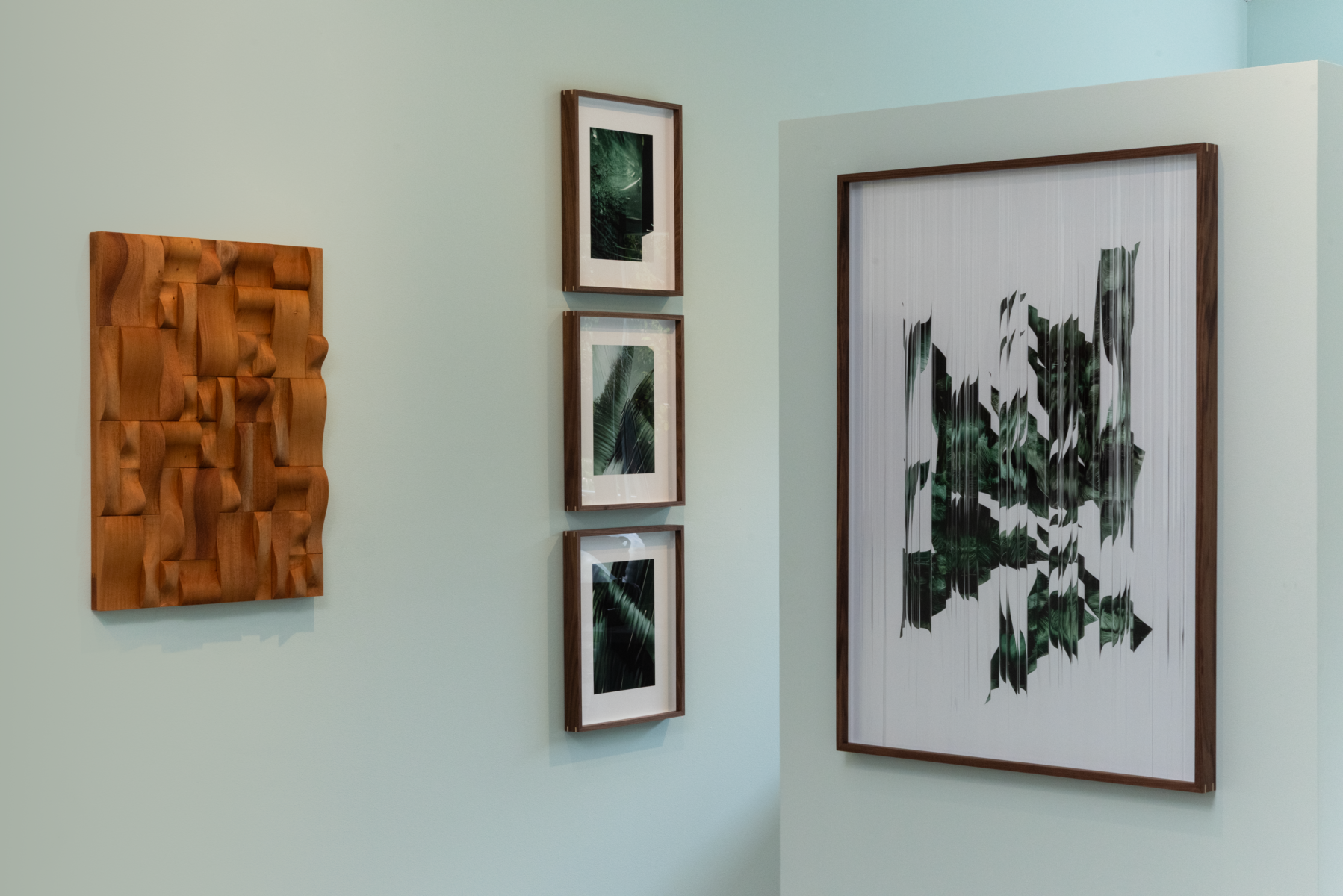
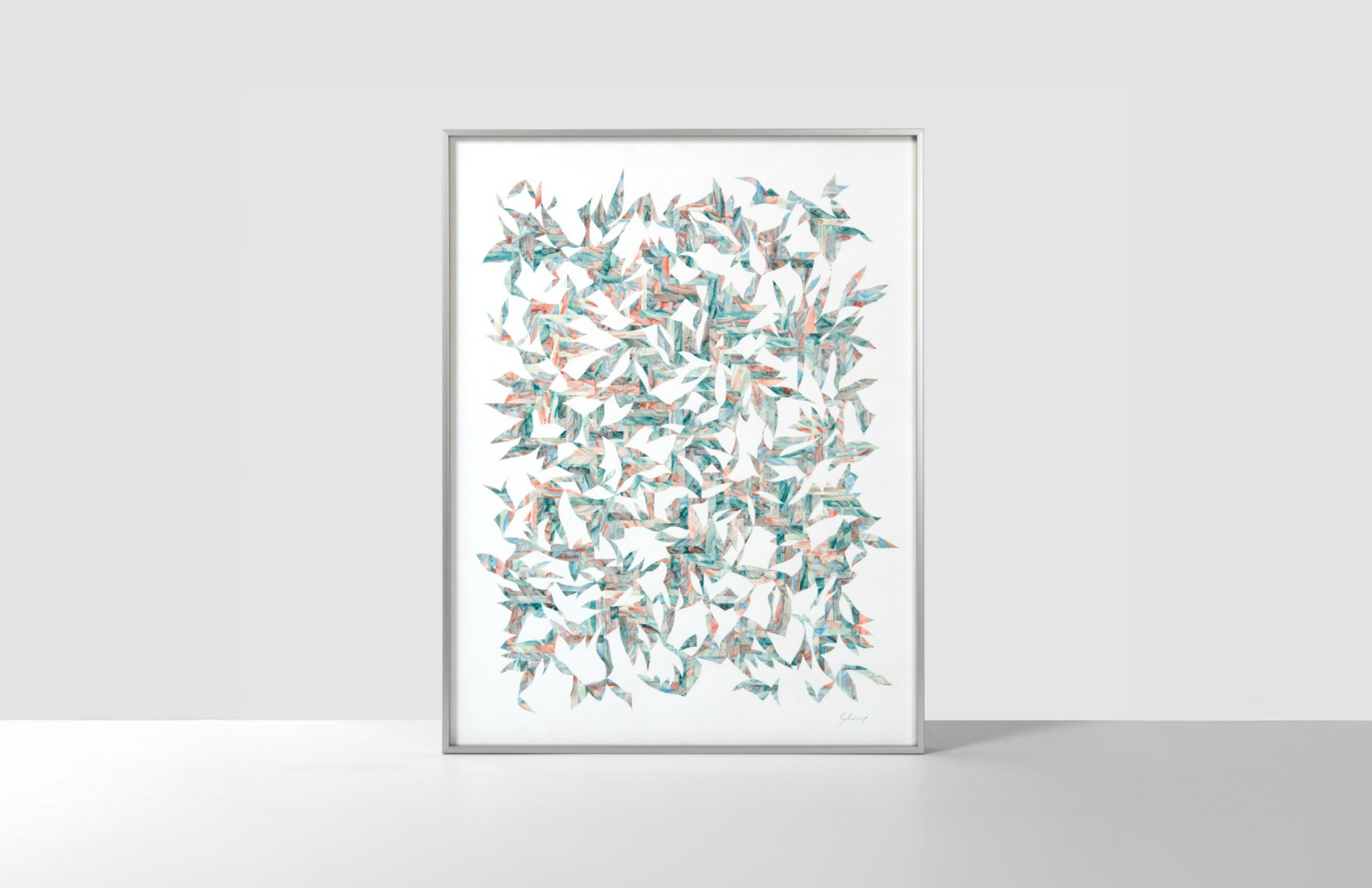
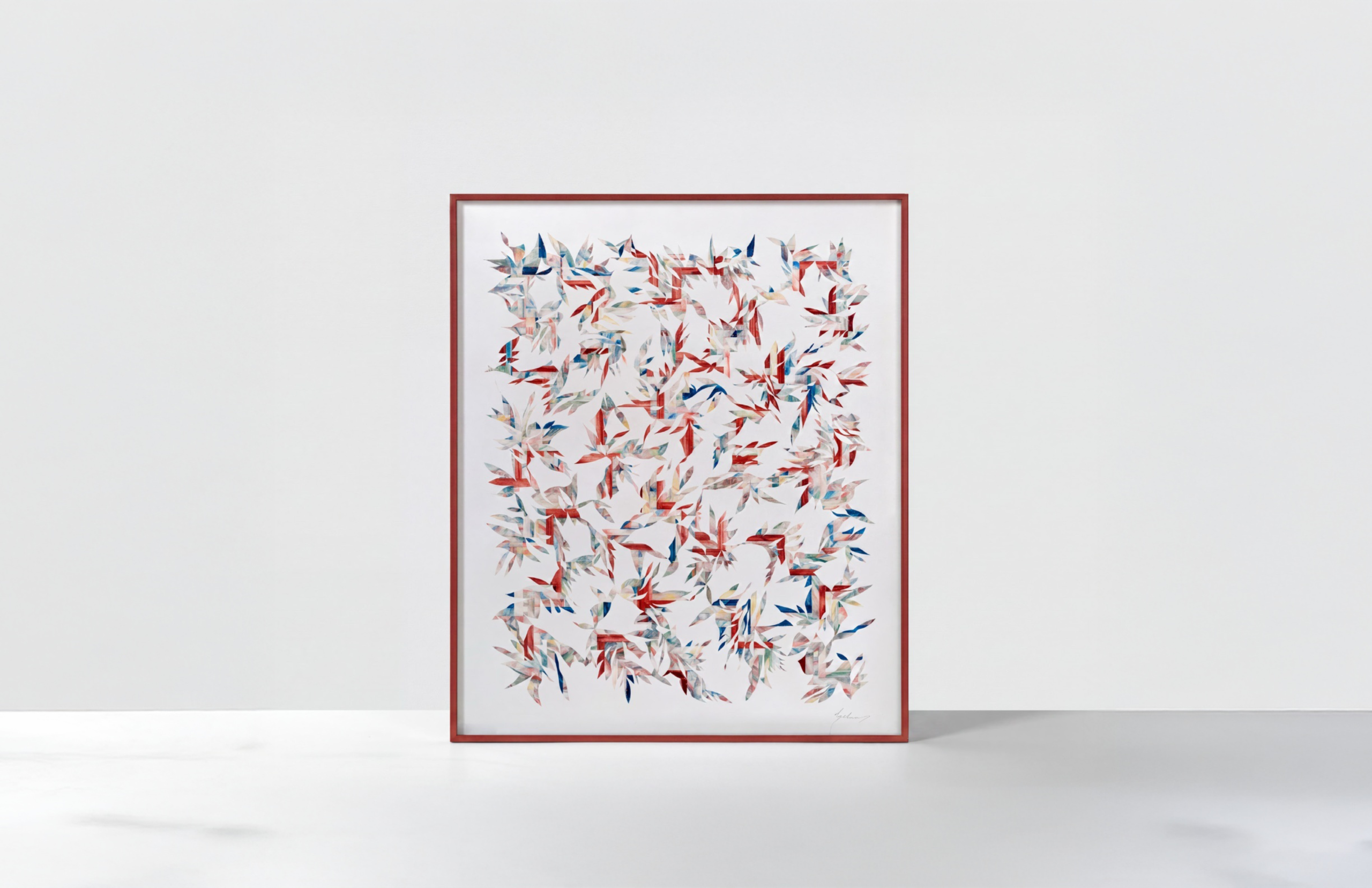
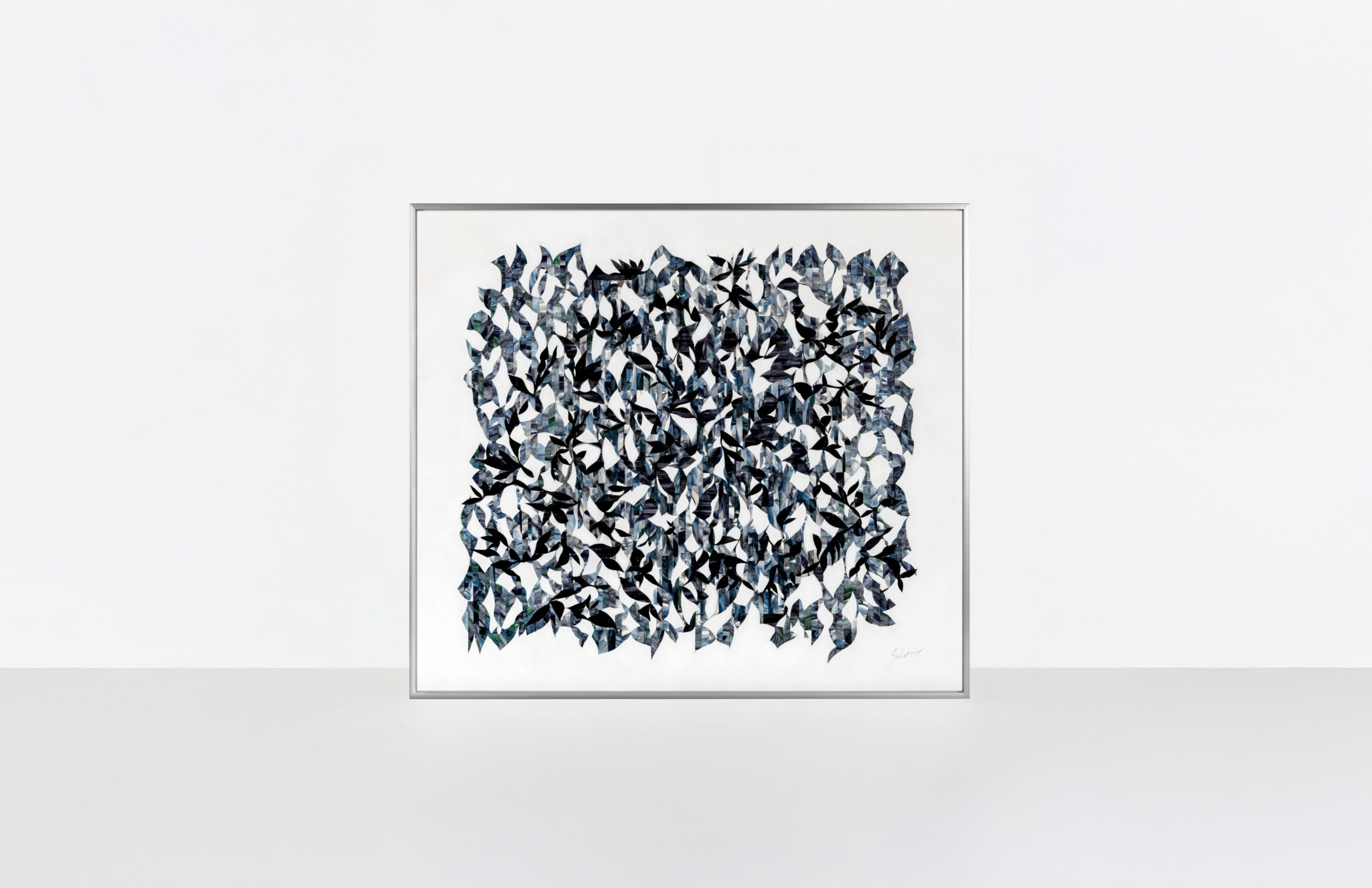
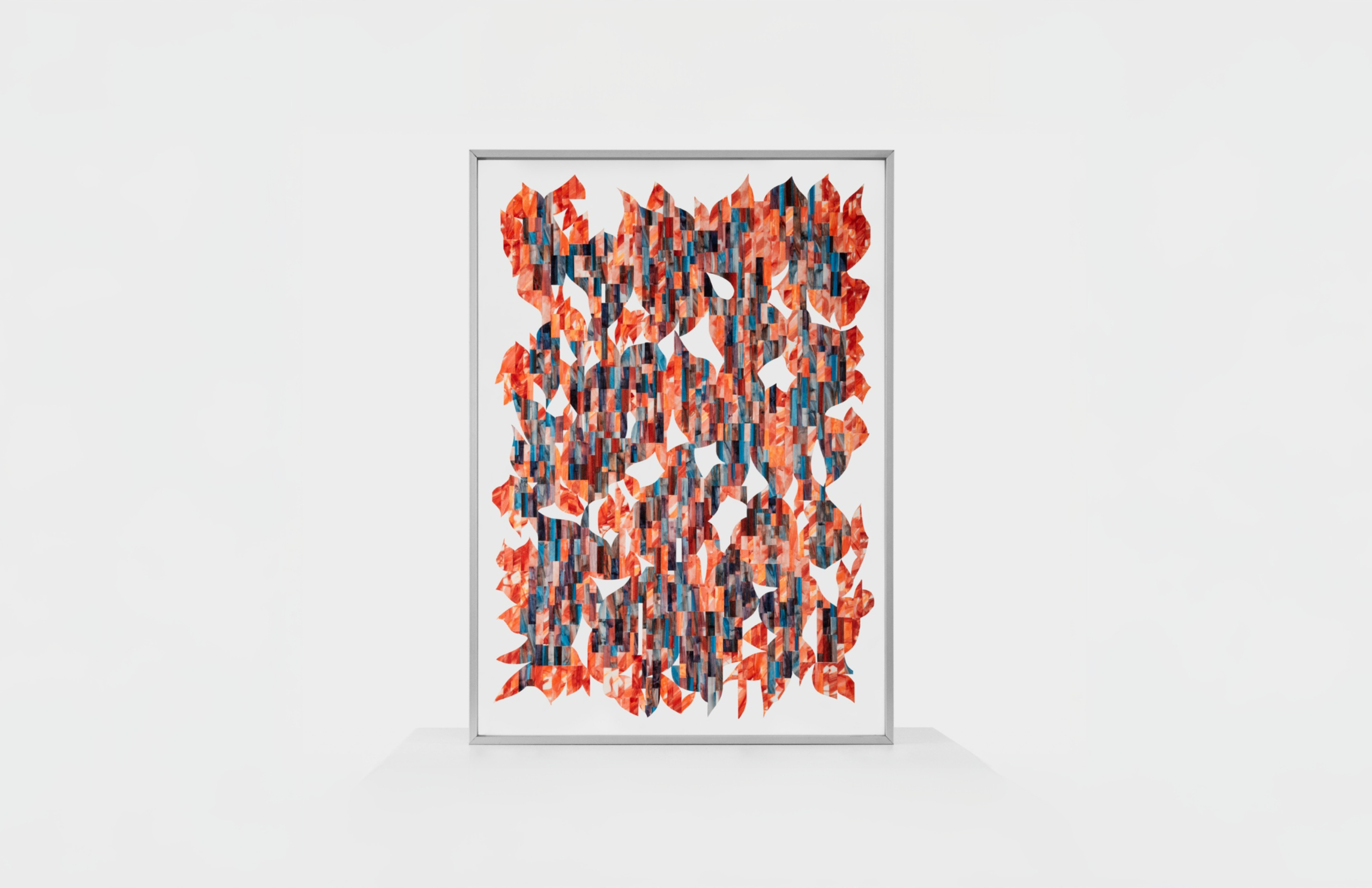
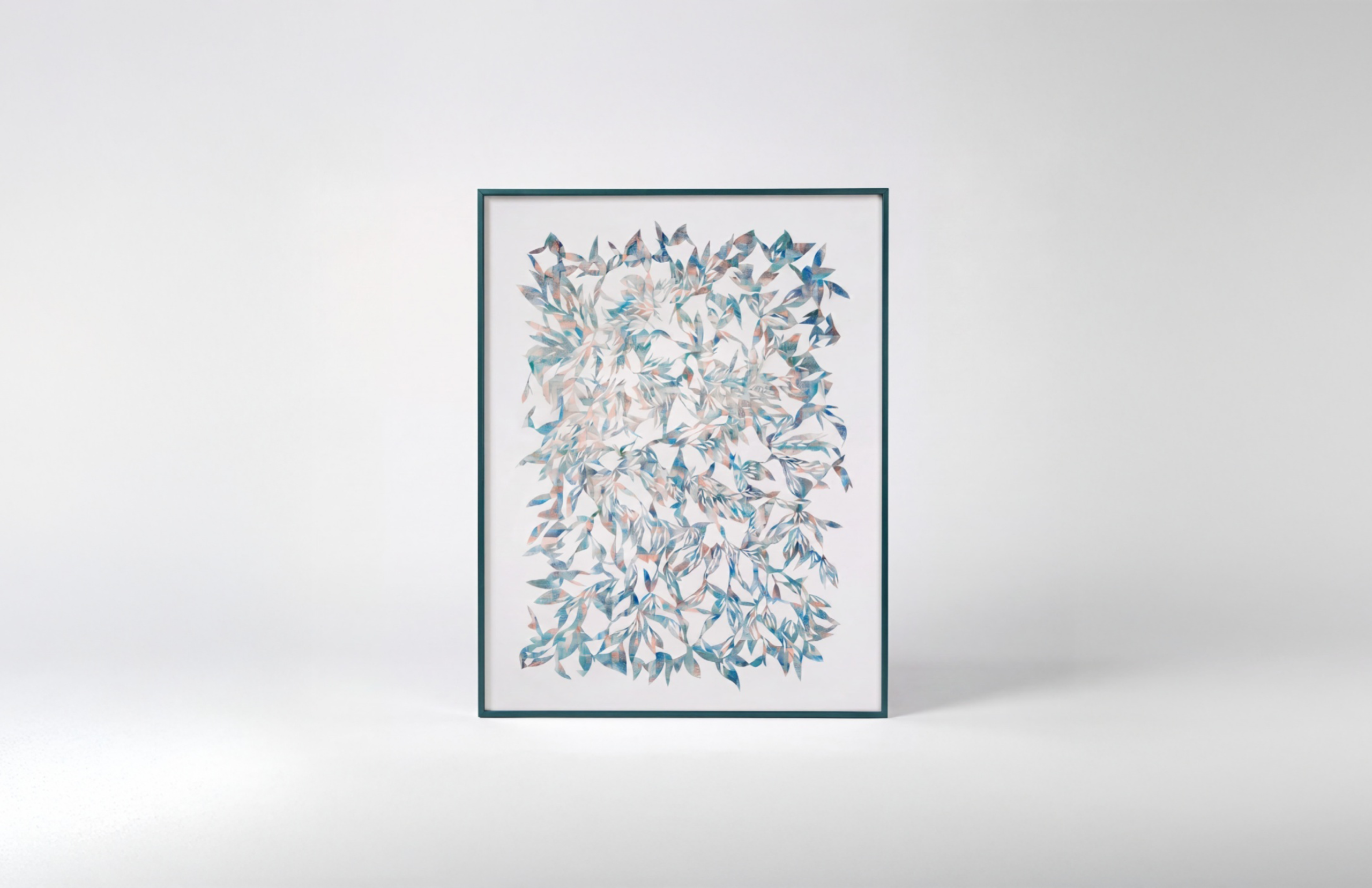
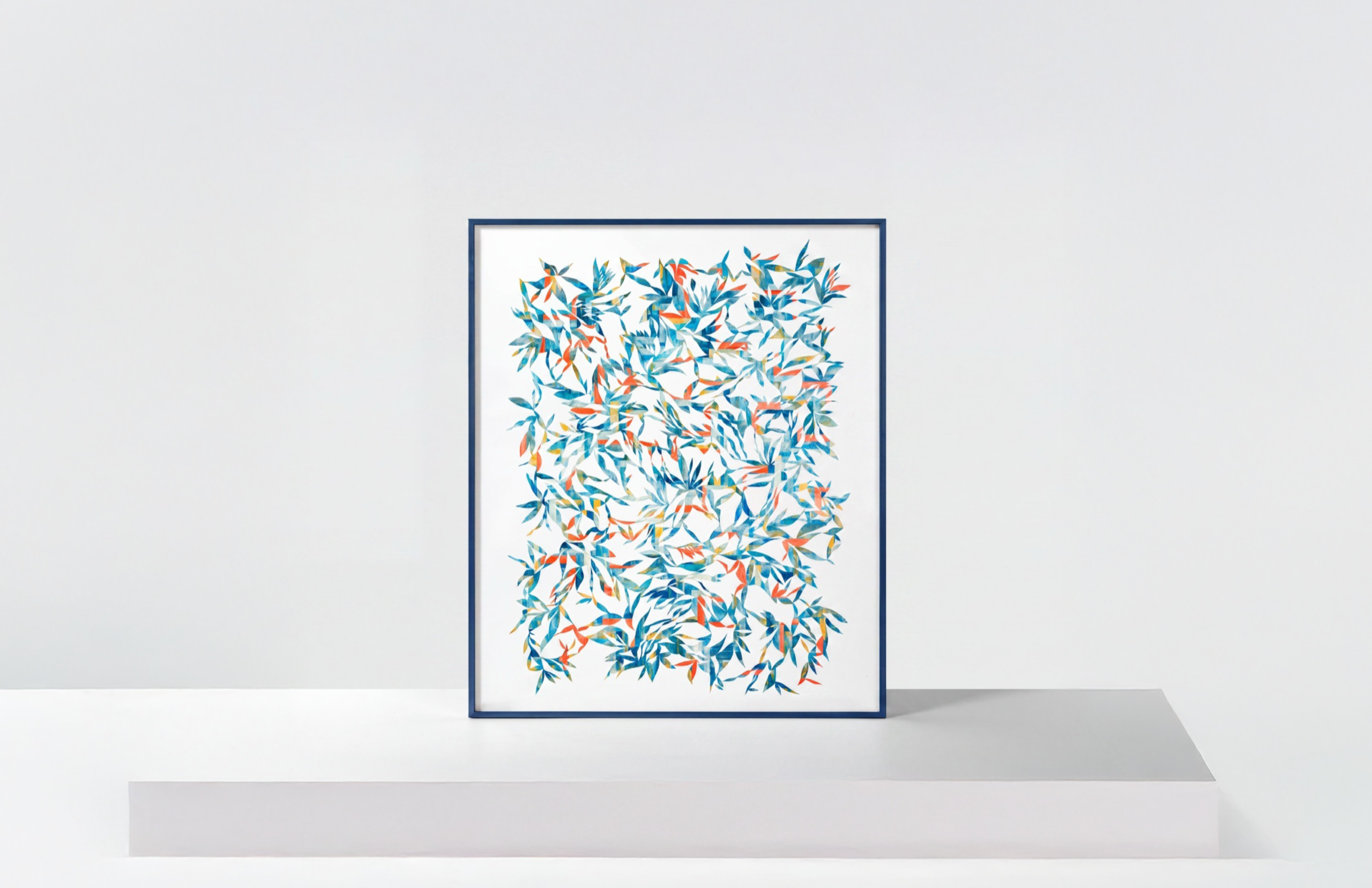
In JARDINES BÉZIER, made with masking tape and alcohol markers, nature appears as an intuitive geometry: an order revealed beneath the appearance of chaos. The compositions are constructed using Bézier curves—the same tool employed in typeface design—executed here entirely by hand. In JARDINES, these same curves are translated into textile through digital jacquard weaving, where the drawing becomes a woven structure. Between the two works, any hierarchy between the handmade and the digital disappears; one technique seems to contain the other.
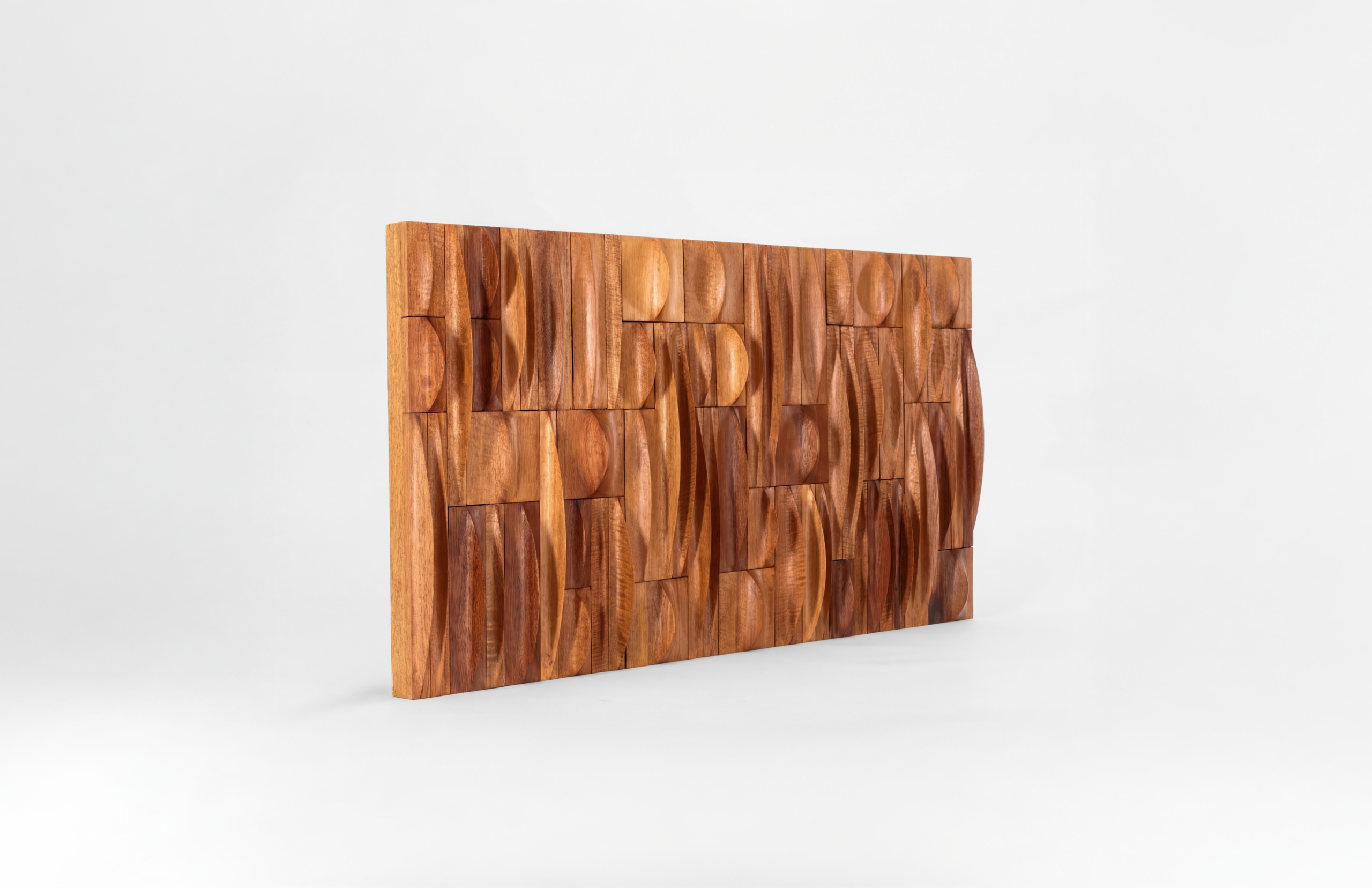
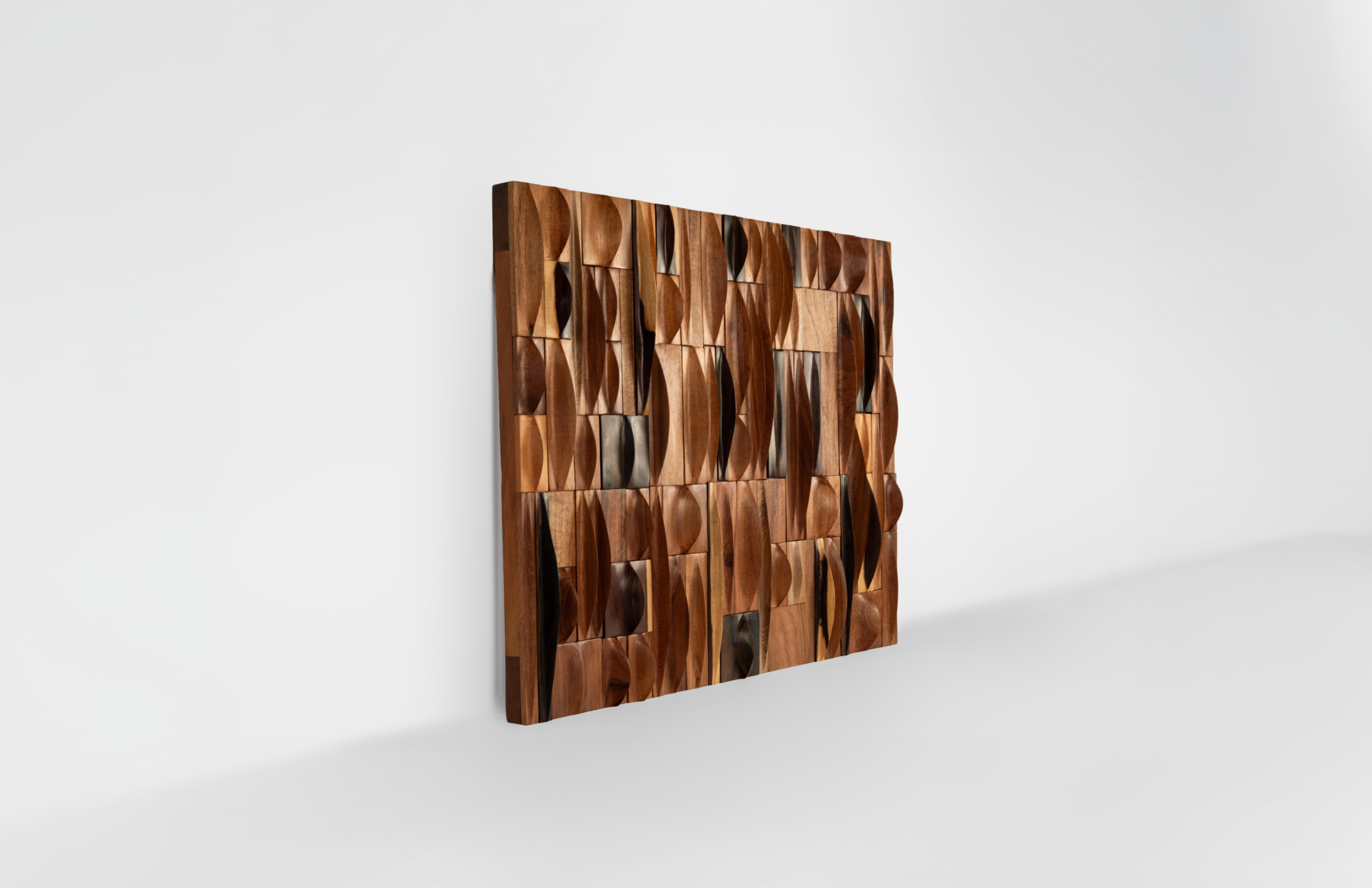
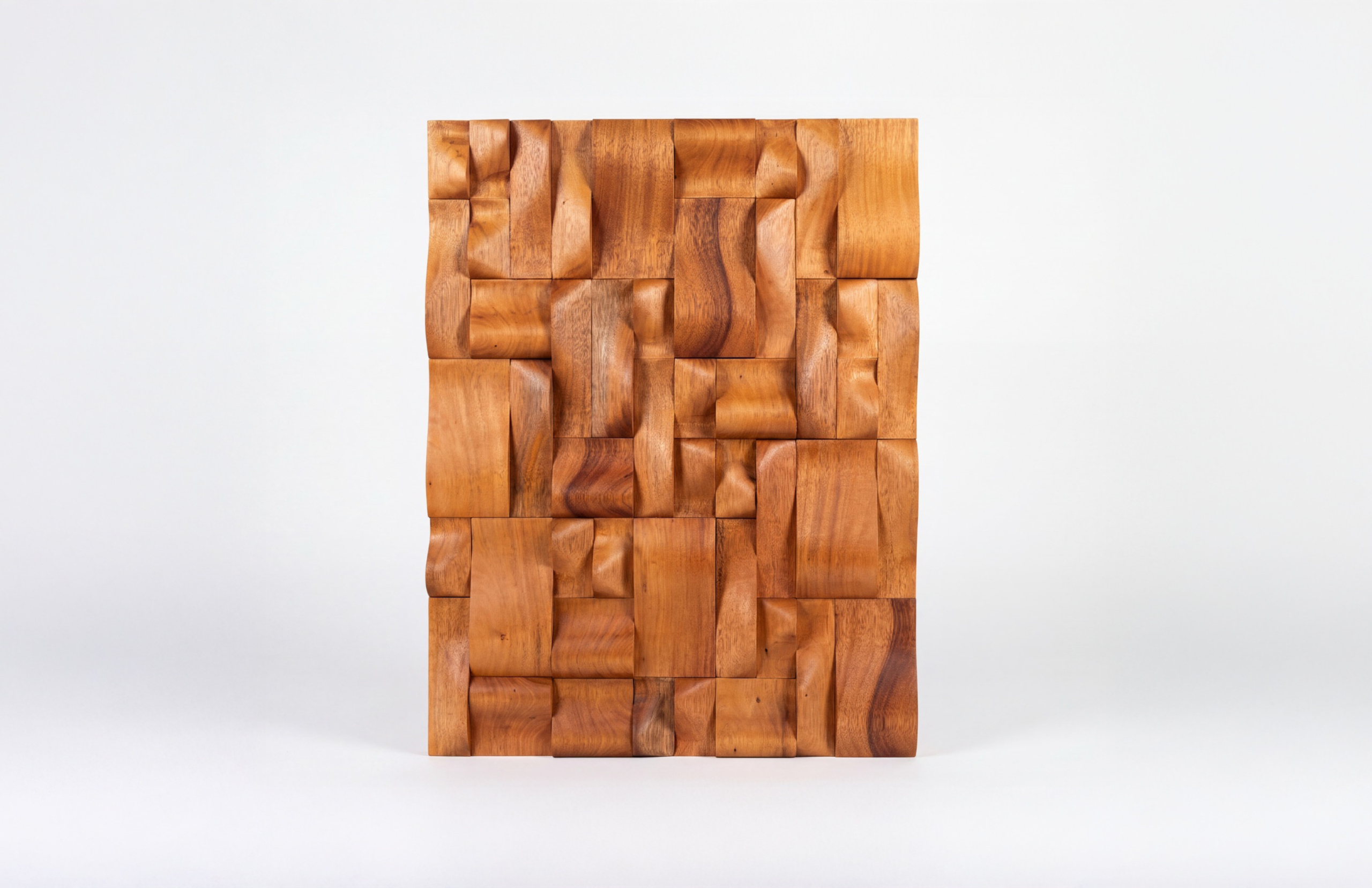
The NOOLII and SOLEN series carry this investigation into three-dimensional space. Their forms emerge from observing the patterns through which nature organizes growth, balancing repetition and variation, stability and change. Generated through parametric definition, the pieces remain deliberately suspended between the handcrafted and the industrial.
NOOLII, developed in collaboration with Polish designer Ania Wolowska and the ITZ workshop in Bacalar, Quintana Roo, is constructed from a system of parametrically generated forms. More than a mosaic, it functions as an alphabet: each module can be expanded, compressed, or proportionally shifted, much as a typeface can alter its weight or width without losing coherence.
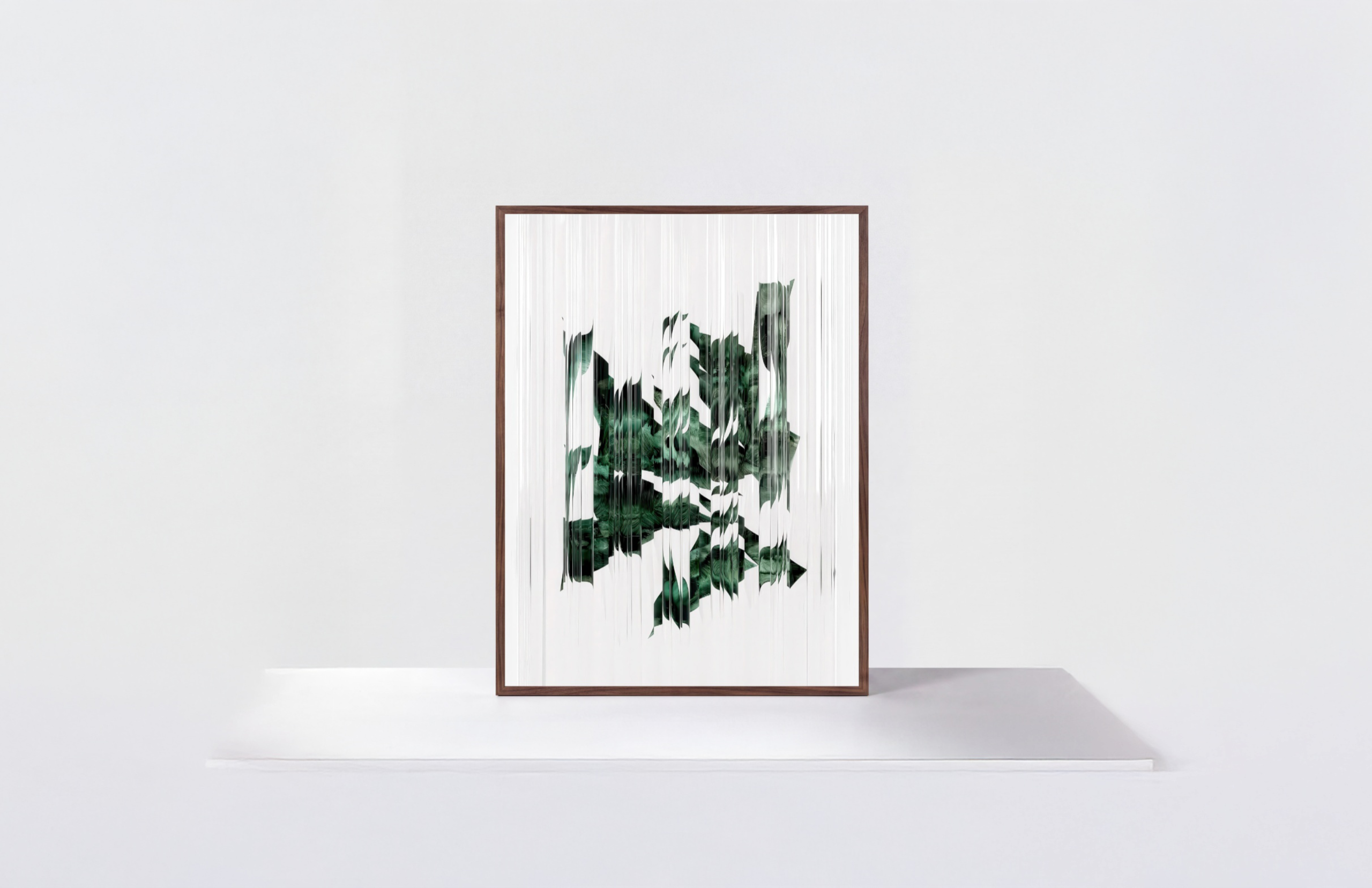
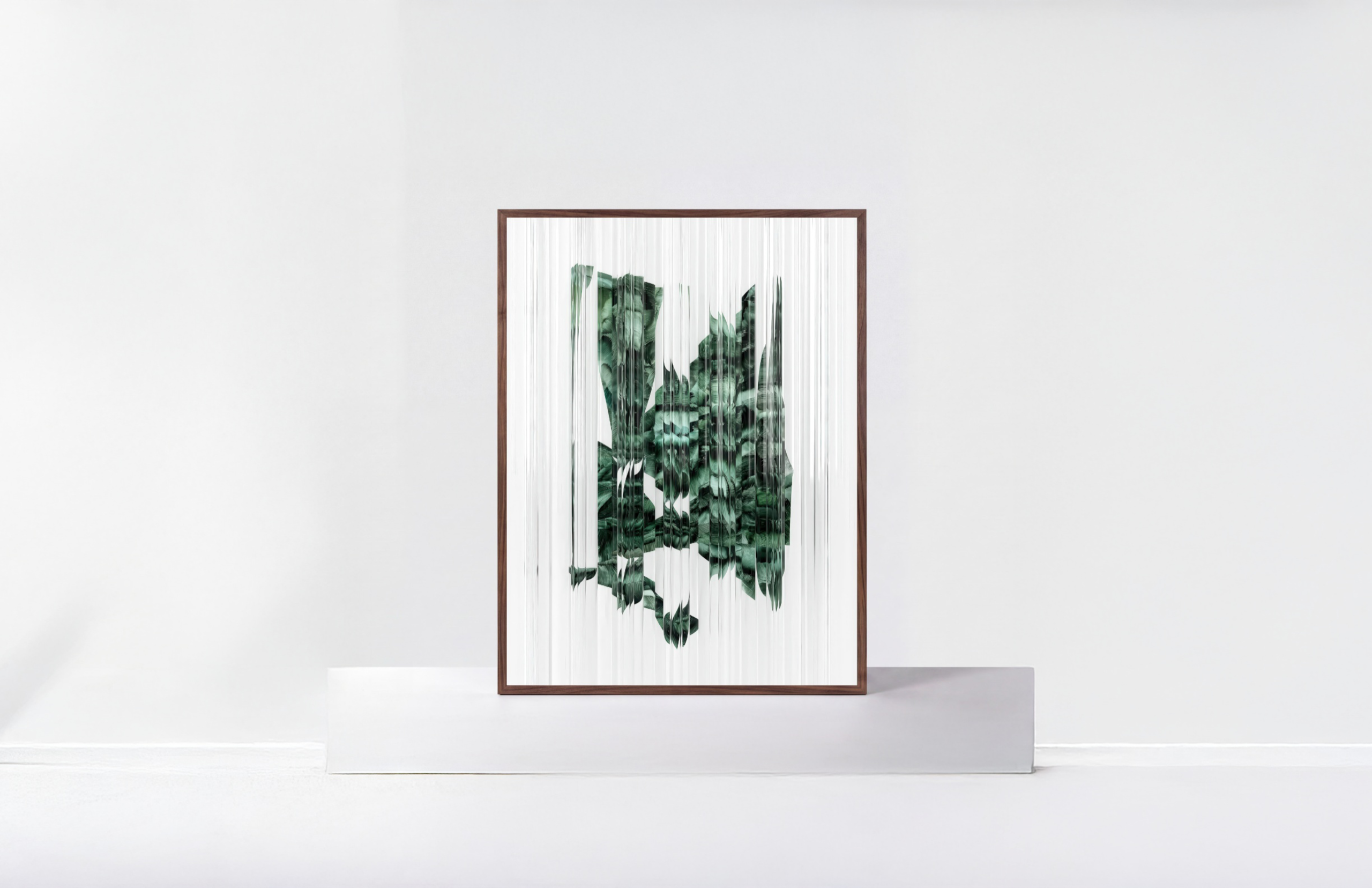
SOLEN, produced with the same workshop, distills this vocabulary into a system of parametric waves whose combinations produce ever-changing volumetric configurations. The paper series VERONA, VIRIDIÁN, and SCHEELE ultimately directs the gaze toward the algorithms themselves. By enlarging their structures until they become visible, the image ceases to represent a landscape and becomes the landscape itself: a territory where reality and artifice can no longer be understood as opposing categories.
TERZA NATURA thus proposes a garden where code can behave like an organism, and where artifice ceases to be understood as something that imitates nature and instead reveals itself as one of its possible forms of existence. None of these works attempts to conceal how it was made. On the contrary, it is precisely through the visibility of its systems, rules, and processes that artifice recovers its most fertile condition, demonstrating that what is constructed can also be read as alive.
Request pricing
Thank you for contacting us
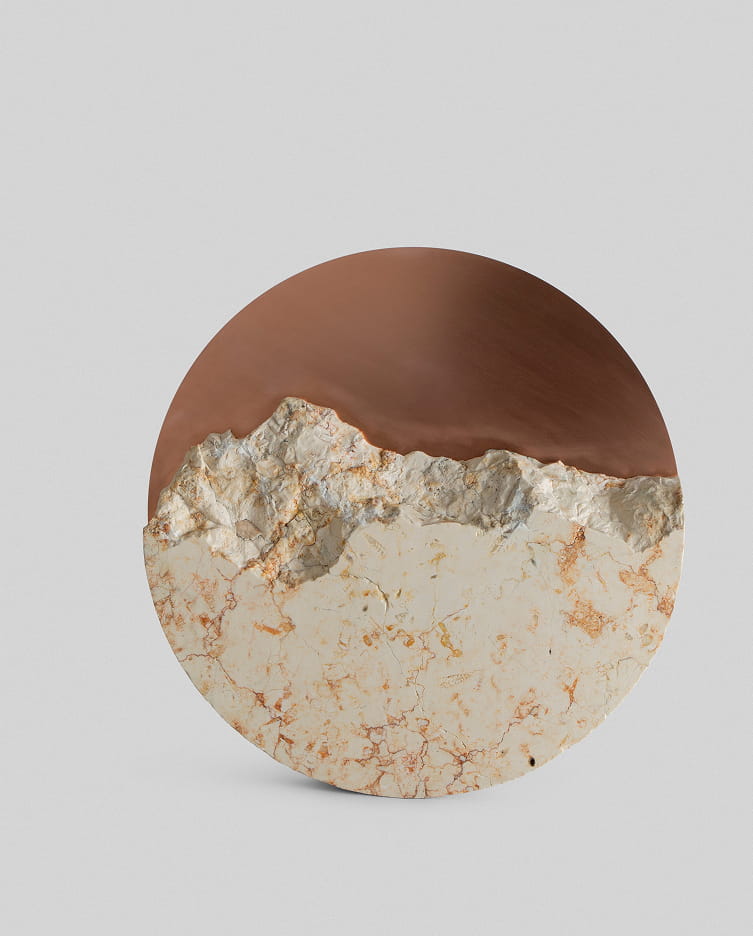
The second origin that names this exhibition belongs to trajectories. The creators of Origin/Origin are not fixed points on a map: they are journeys. Poland to the jungle of Quintana Roo. Chihuahua to Guadalajara. Colombia to Oaxaca, with layovers on another continent. Spain and Colombia to Mexico City. The materials travel too: stoneware from Zacatecas, marble from the north, cotton from Michoacán, wood from the southeast. All these displacements—of people, of raw materials, of ways of making—converge in this room like the tributaries of a river: without losing what each one carries.
There is a tradition of thought, shared by cultures as distinct as Mesoamerican civilization and contemporary philosophy of language, which maintains that things contain an essence that persists beyond their visible form: something that resides within them before anyone names it, and that continues to act afterward. The Maya called this substance itz—the sap, the resin, the distillate of what is essential in each thing. It is a notion that requires no translation to be recognized: it is found in the density of a well-crafted object, in material that has traveled and arrives with a history, in a form that harbors something not yet released.
This tension—between what the piece already is and what it still contains—is what Origin/Origin offers the viewer. The trajectories of those who made these works, and of the materials from which they were crafted, end here in their visible form. Yet the journey does not conclude with contemplation: it continues within the observer, in the links each person establishes between one piece and the next, between one origin and another. The migration that structures this exhibition has no final destination. Instead, it finds a new starting point in every encounter.