Memory, Body, and Territory in Ceramics
Ángulo Cero was founded ten years ago with the vision of creating intersections between art and contemporary Mexican design. Throughout this decade, our goal has been to position outstanding local talent on an international stage while fostering spaces for experimental research projects that expand the creative horizon.
In this new chapter, we celebrate our past and present in a new space aligned with the gallery’s multidisciplinary and collaborative spirit. PUNTOYCOMA is a special anniversary program that, through a series of exhibitions, revisits key moments of our history and connects them with who we are today and where we are heading.
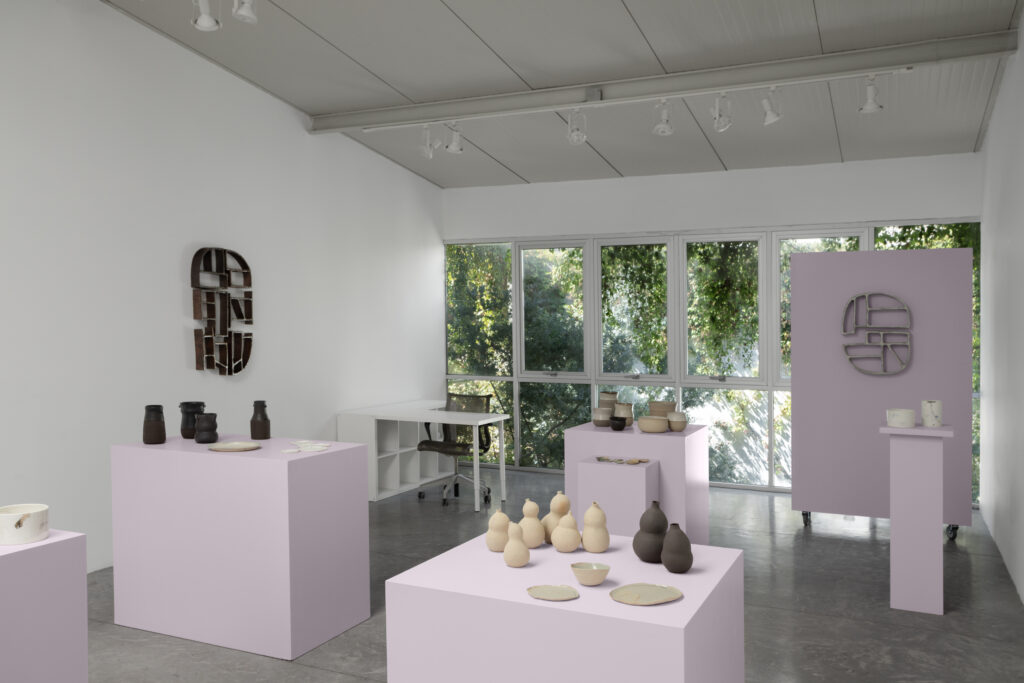
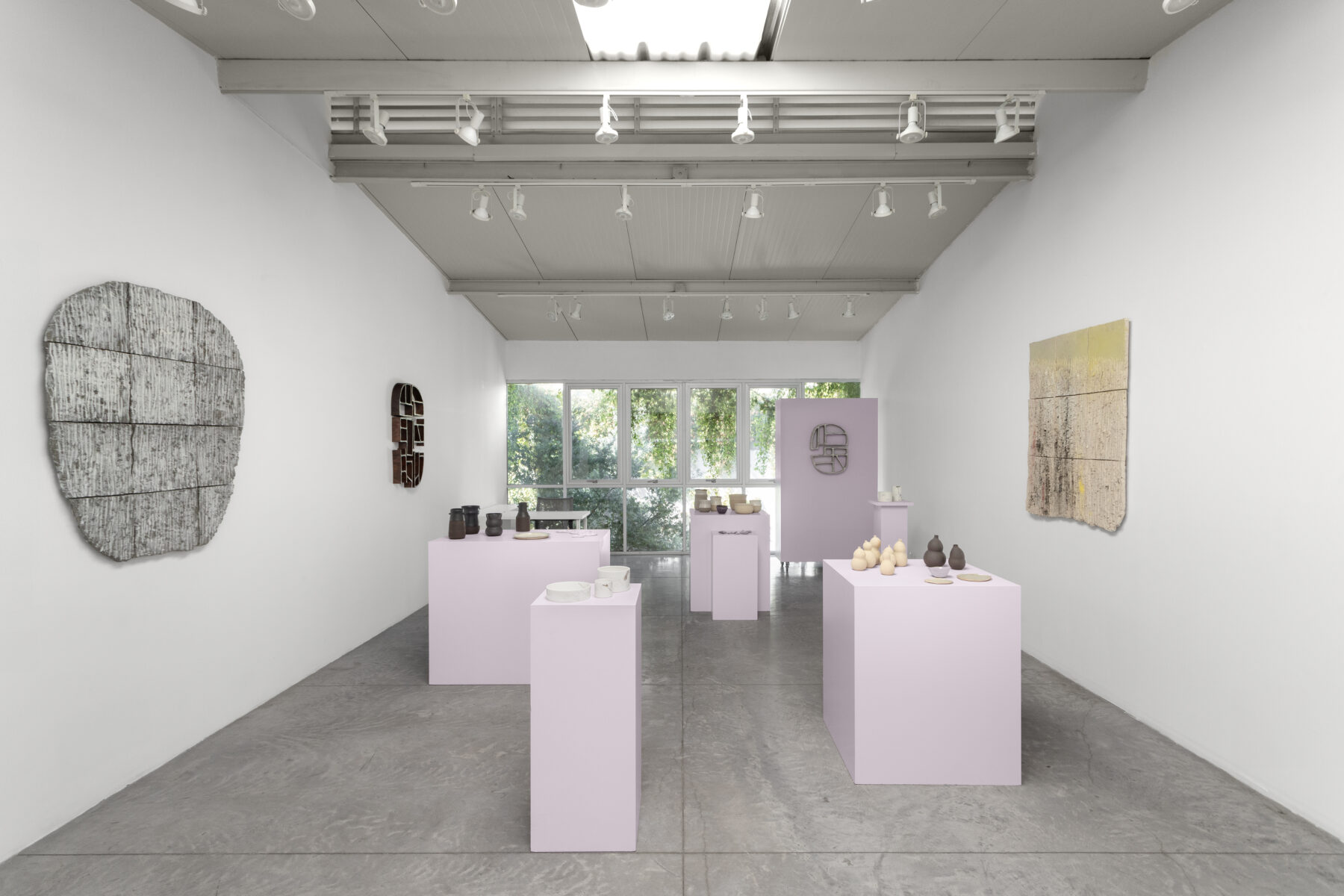
This inaugural exhibition, Chapter I: Maps and Traces, highlights the work of Karla Sotres and María García Ibáñez, who utilize ceramics as a medium to build cartographies. Rather than serving as navigational tools, their maps act as abstractions of memory, subjective landscapes, and territorial deconstructions.
ARTISTS / DESIGNERS
Request pricing
Thank you for contacting us
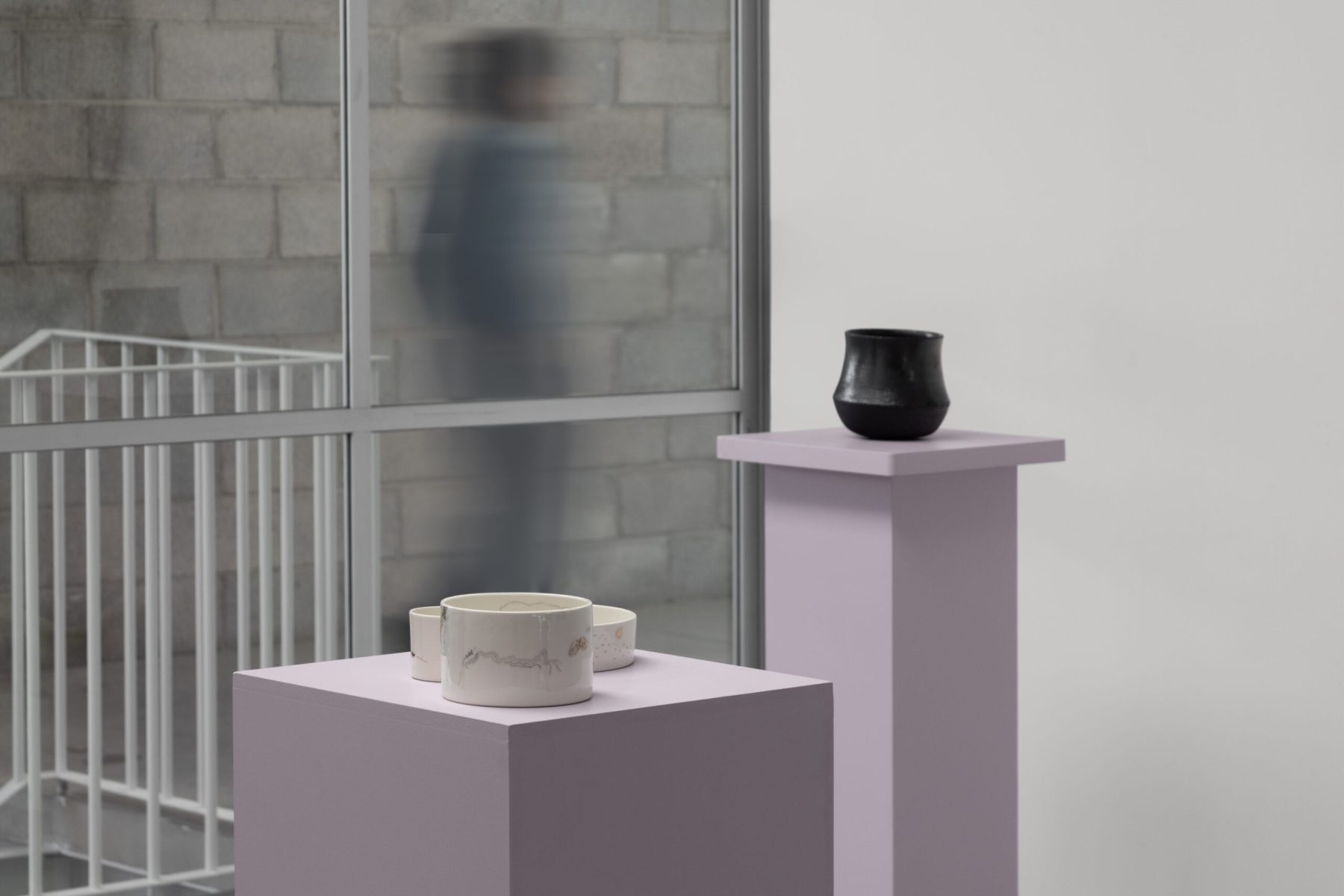
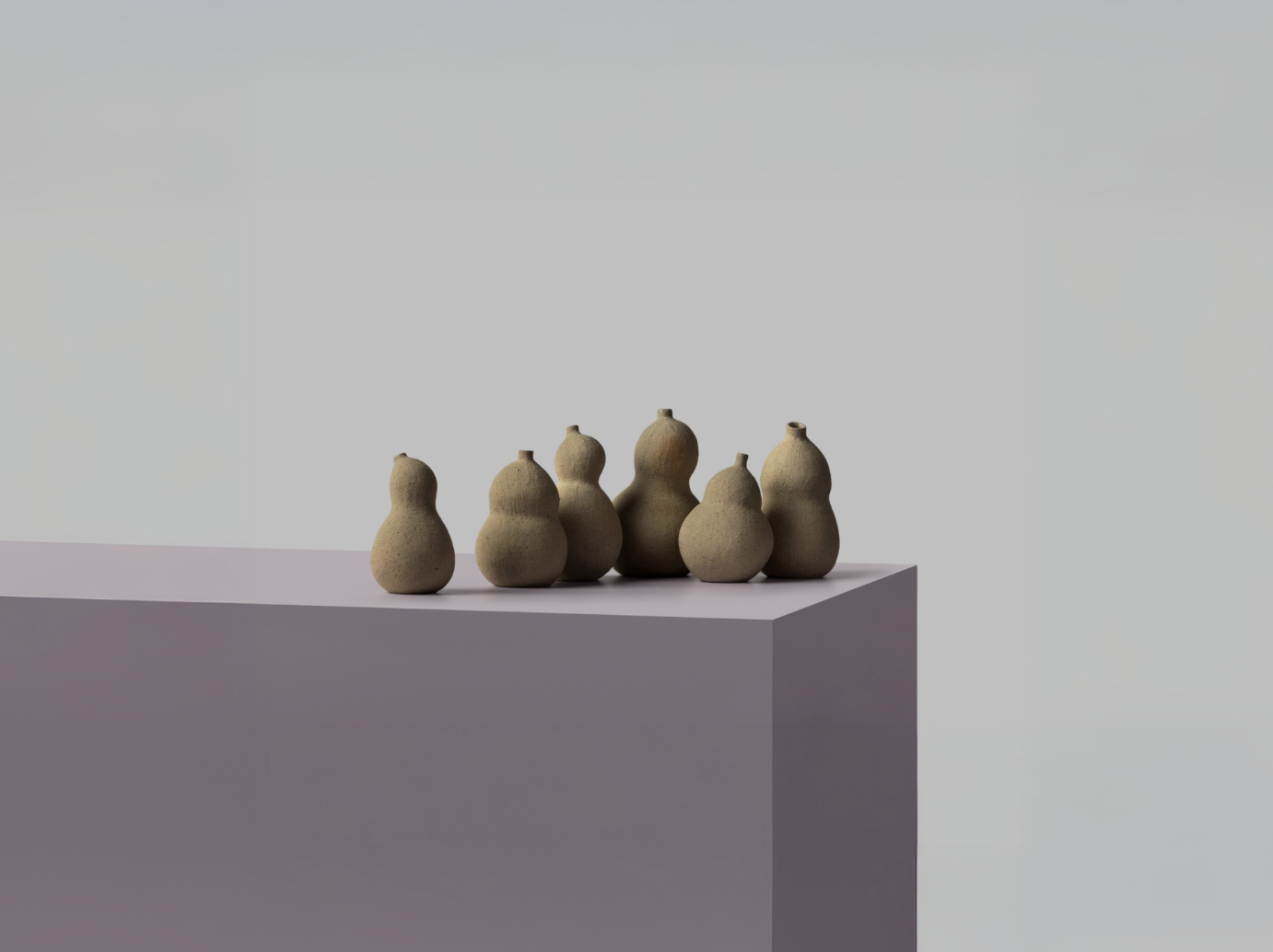
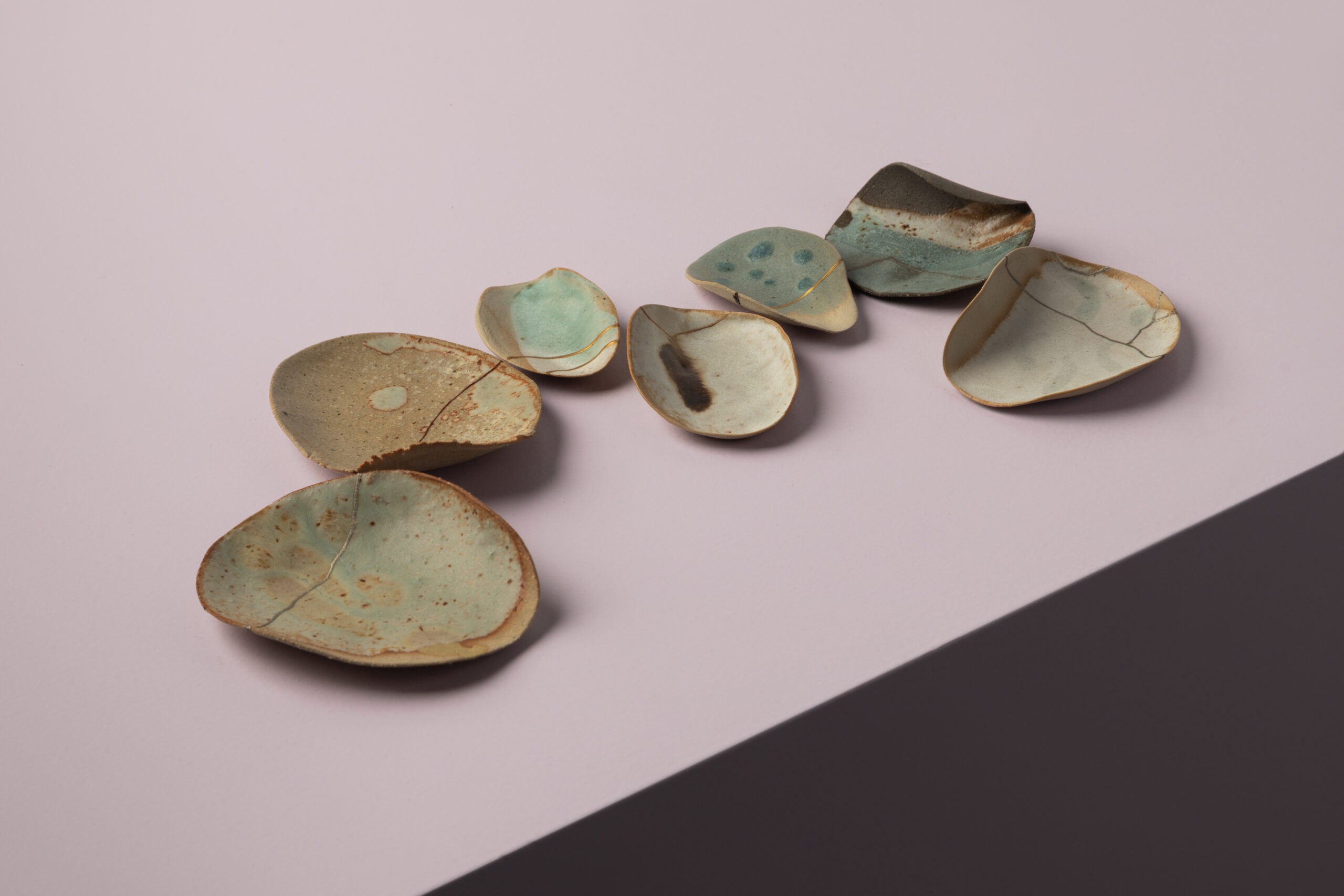
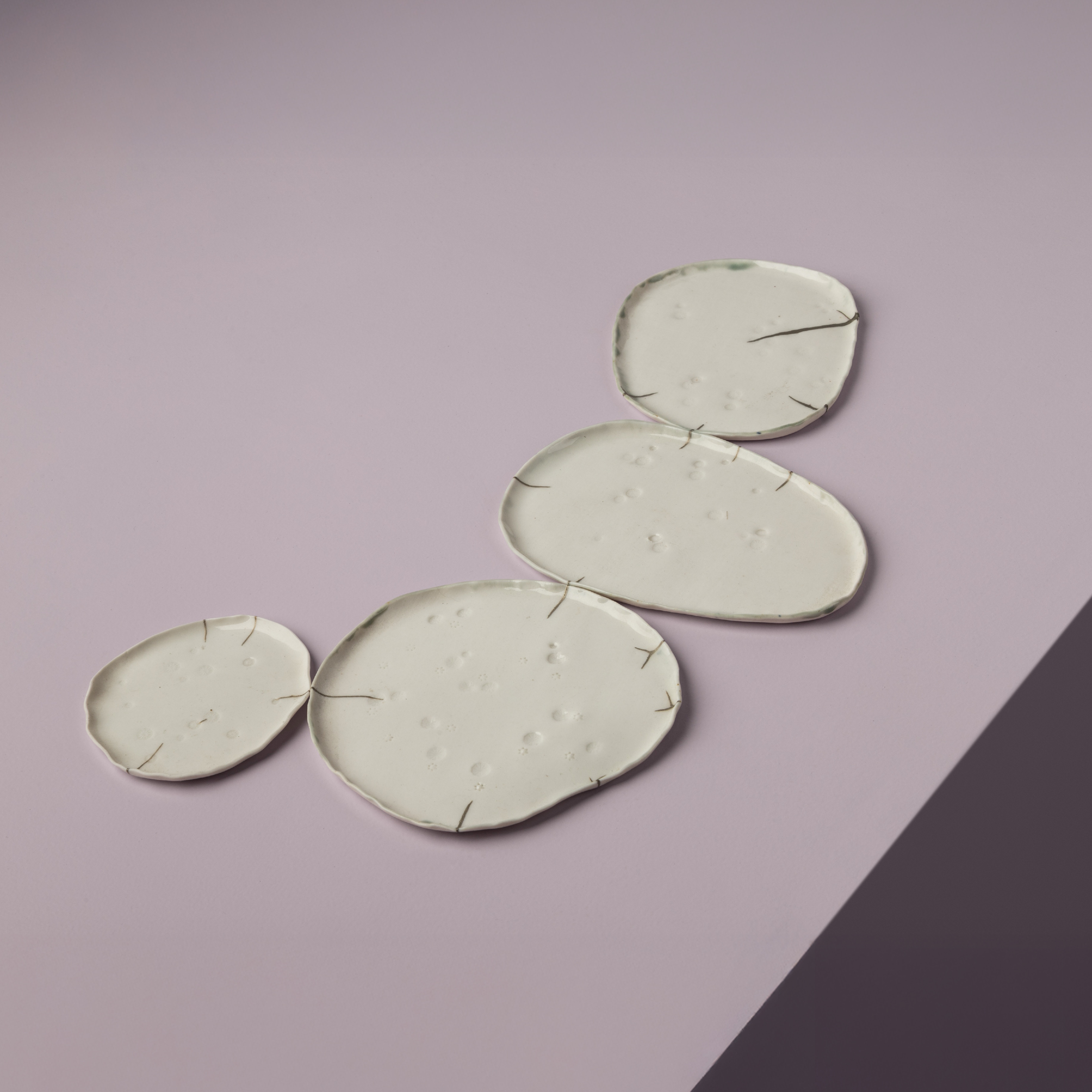
In Personal maps, Sotres refers to journeys across Mexico taken throughout her life, as well as imagined, unexplored territories. Fine lines drawn on white ceramic form geographic features and pathways that emerge directly from memory. In other series—such as Botánica, Guajes, Conchiglie, and Arquetípica—she approaches geography through the clay itself, harvested from diverse soils to embody physical fragments of territory as living maps. Incorporating traditional Japanese kintsugi and gintsugi techniques, she mends cracks with gold and silver dust resins, crafting new landscapes that seamlessly blend with existing topographies.
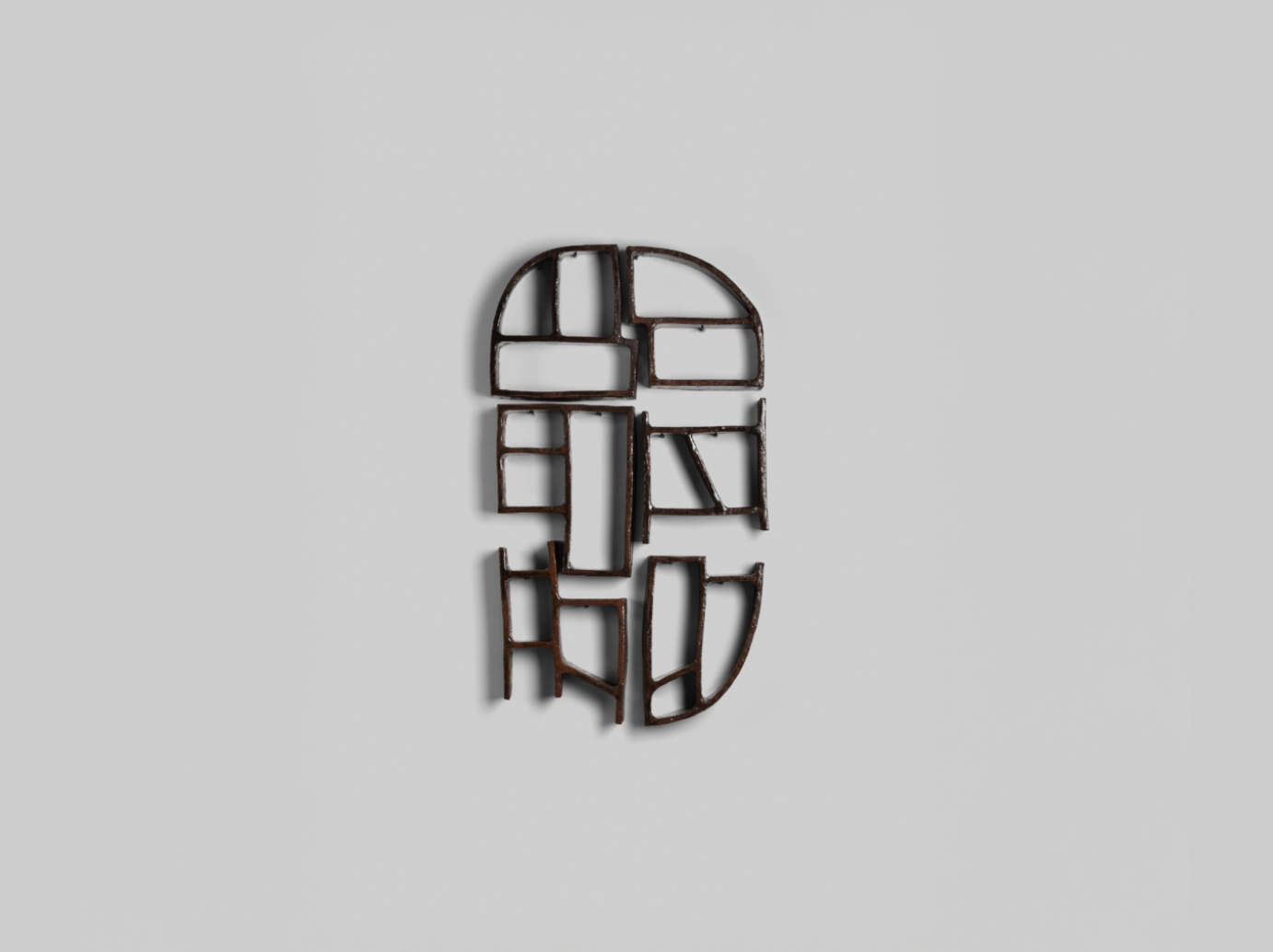
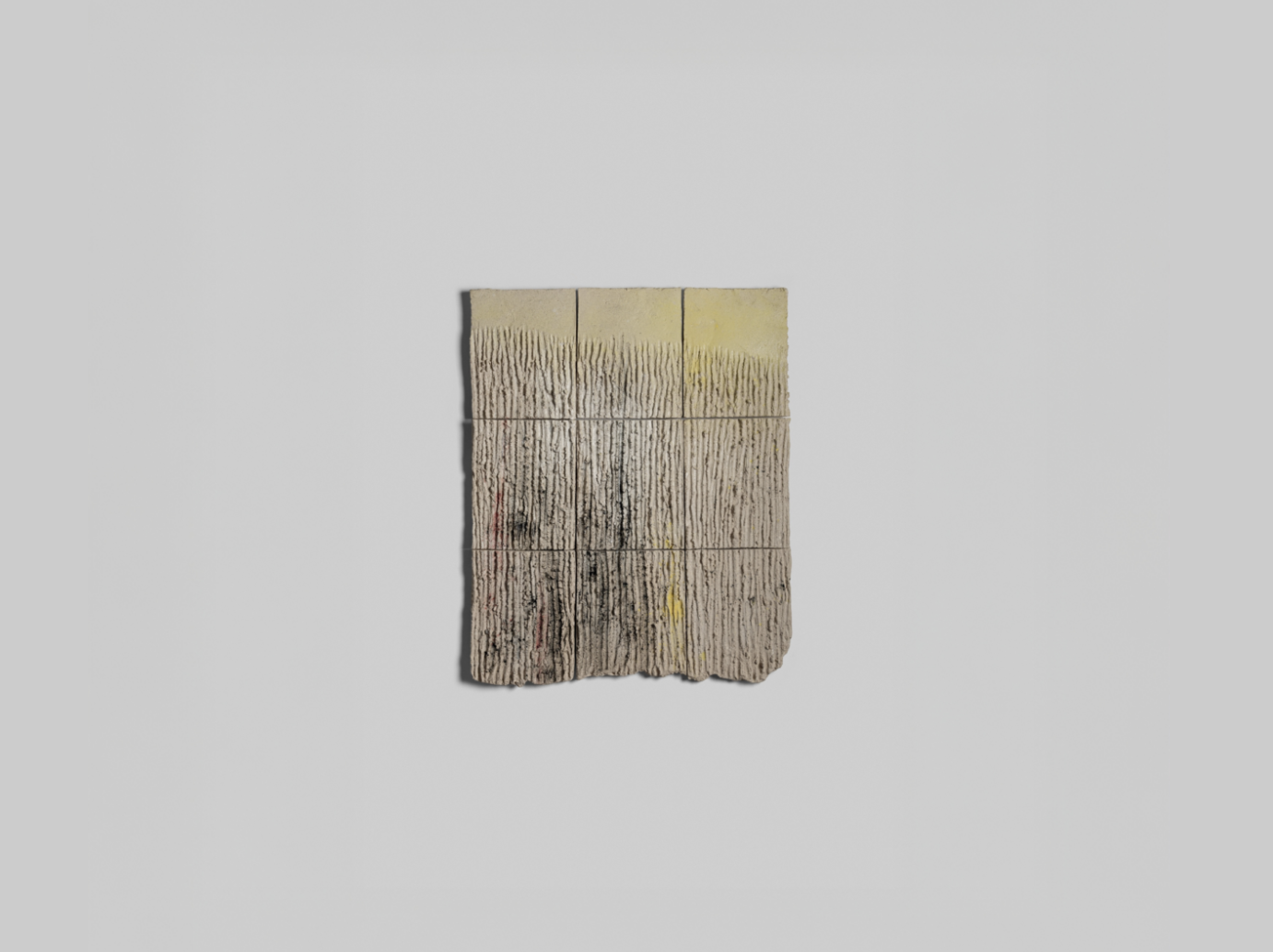
Conversely, García Ibáñez’s work is the result of a multi-year investigation into line, space, and matter. In the series Aquellos ecos, aquellos indicios, the artist draws topographies using her fingers directly on wet ceramic canvases. These solidified, tactile marks recall mountain ranges, geological grooves, and uneven roads, forming tile murals where the physical body meets the earth. In Paramentos, she explores nomadic living and spatial occupancy through aerial views of archaeological ruins and abandoned dwellings. Translating these linear outlines into ceramics, she creates geometric compositions reminiscent of architectural blueprints that preserve shared memories and temporalities.
For both artists, their process of engaging with maps and geography is essential, yielding open-ended works that continuously examine the relationships between ceramics, territory, memory, and the body.