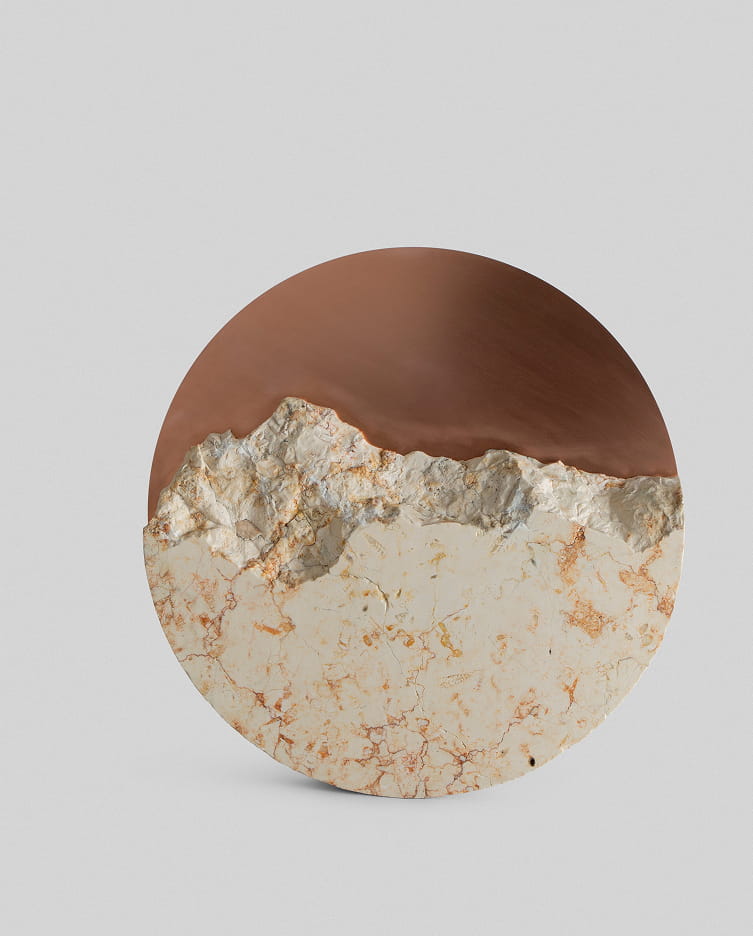
A journey through object design exploring texture, repetition, and the emotional connection to inhabited spaces.
Colección Estudio is the result of a collaboration between three talented industrial designers: Daniel Martinez (R), Manuel López (M), and Andrés Cacho (L). This creative partnership thrives on the combination of individual insights and collective brainstorming, resulting in sleek and focused designs that are rich in conceptual depth and crafted with care. Operating from Mexico City, London, and Querétaro, the studio does not have a traditional physical location; instead, it thrives as a shared creative language between the three designers.
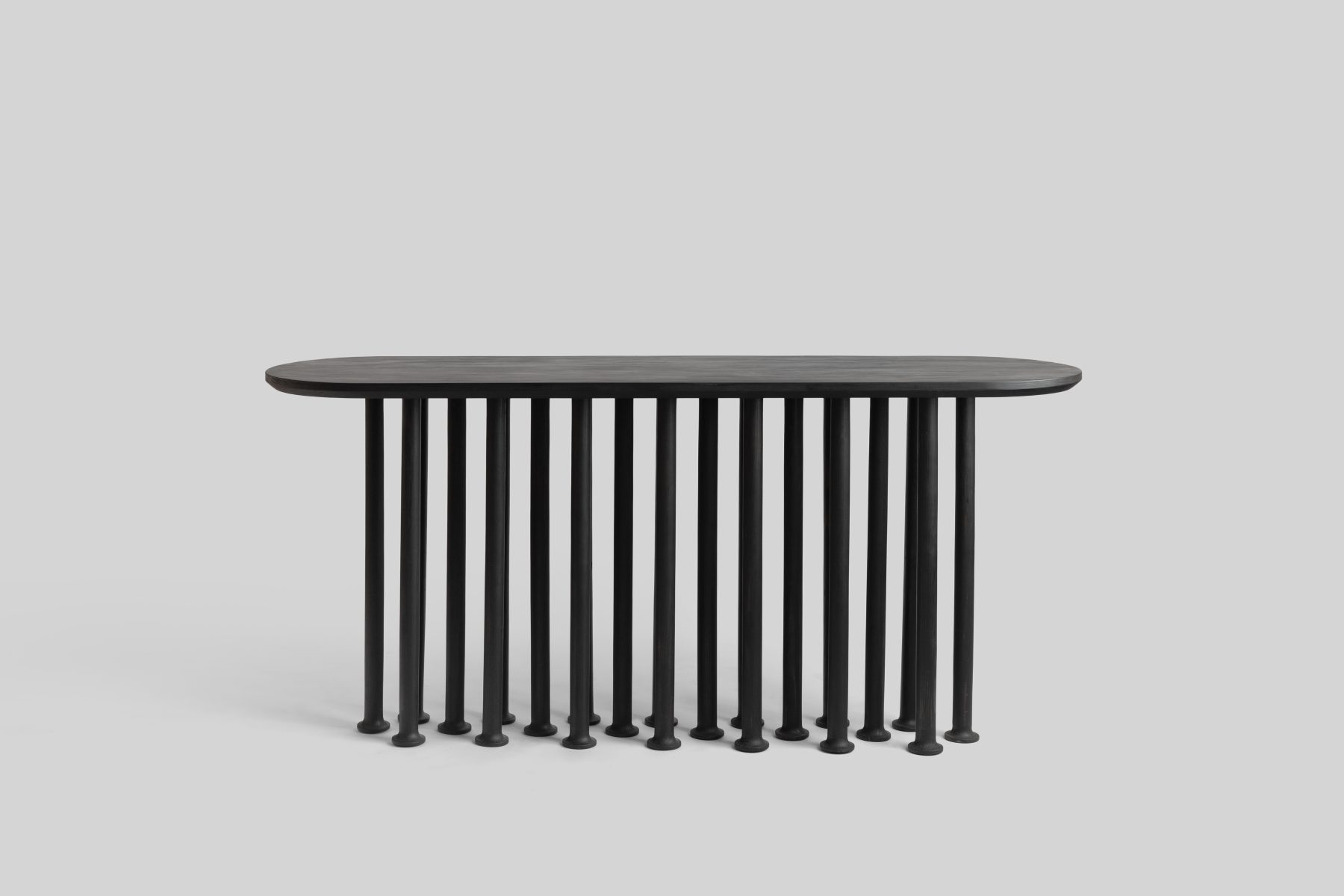
Colección Estudio’s inaugural collection resulted from the studio’s exploration of the cultural importance of craftsmanship in Mexico. Repetition was deliberately integrated into the design as an essential aesthetic element. This collection featured tables with multiple legs, crafted through a meticulous woodturning technique. Each leg’s shape was achieved by shaving wood on a lathe. The inspiration for the leg’s design came from the Molinillo, a common Mexican tool used for blending chocolate into milk, whose silhouette was simplified to retain only its basic elements.
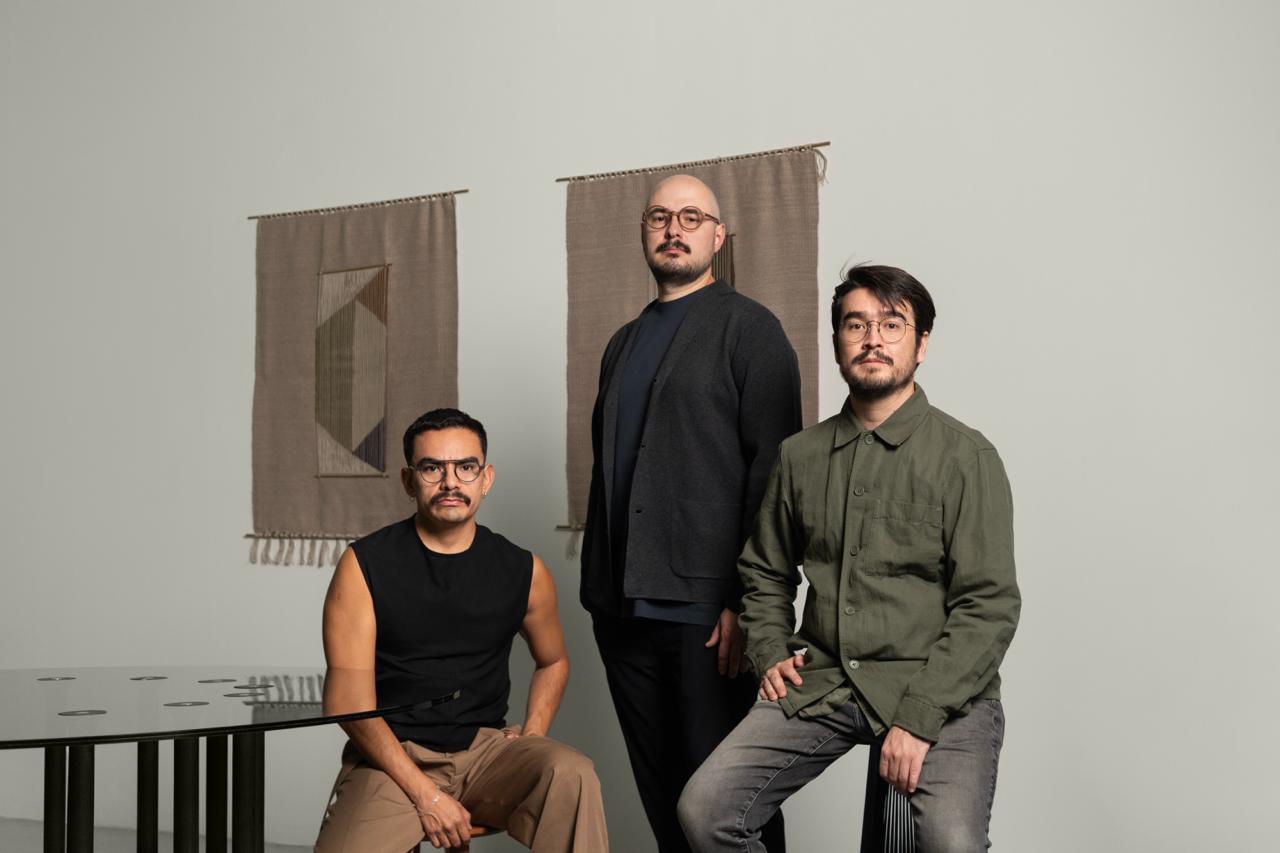
Industrial design driven by patience, handcrafted manufacturing, and the dialogue between past and present.
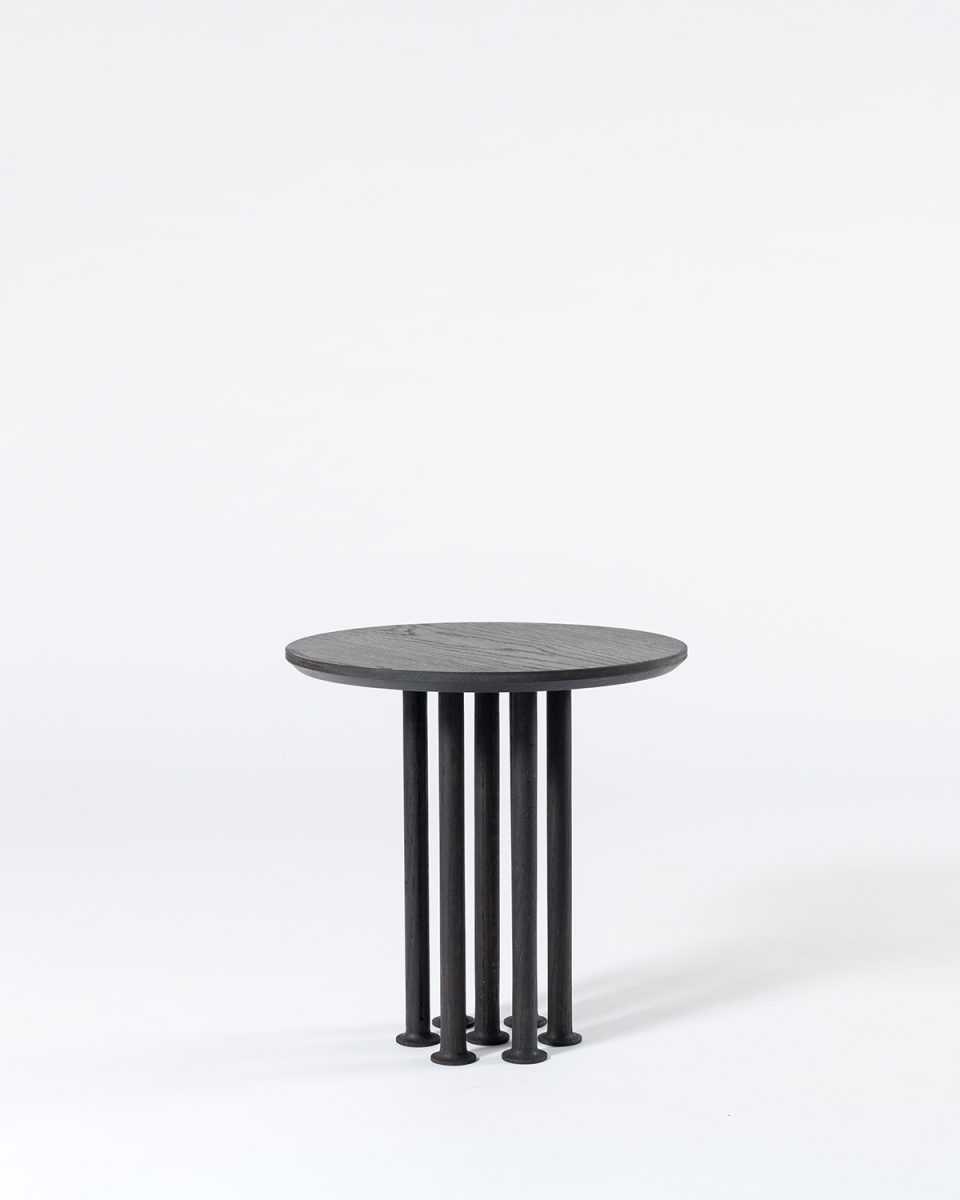
The long, elegantly designed legs gathered beneath the tabletop, evoking animal-like qualities and suggesting movement. The legs were charred for a rich black finish and paired with an ebonized wooden tabletop, providing a textural contrast. An alternative version in natural oak presented a mid-century Scandinavian influence. The studio’s preference for wood as a primary material allowed for the expression of each wood’s unique characteristics in the final product.
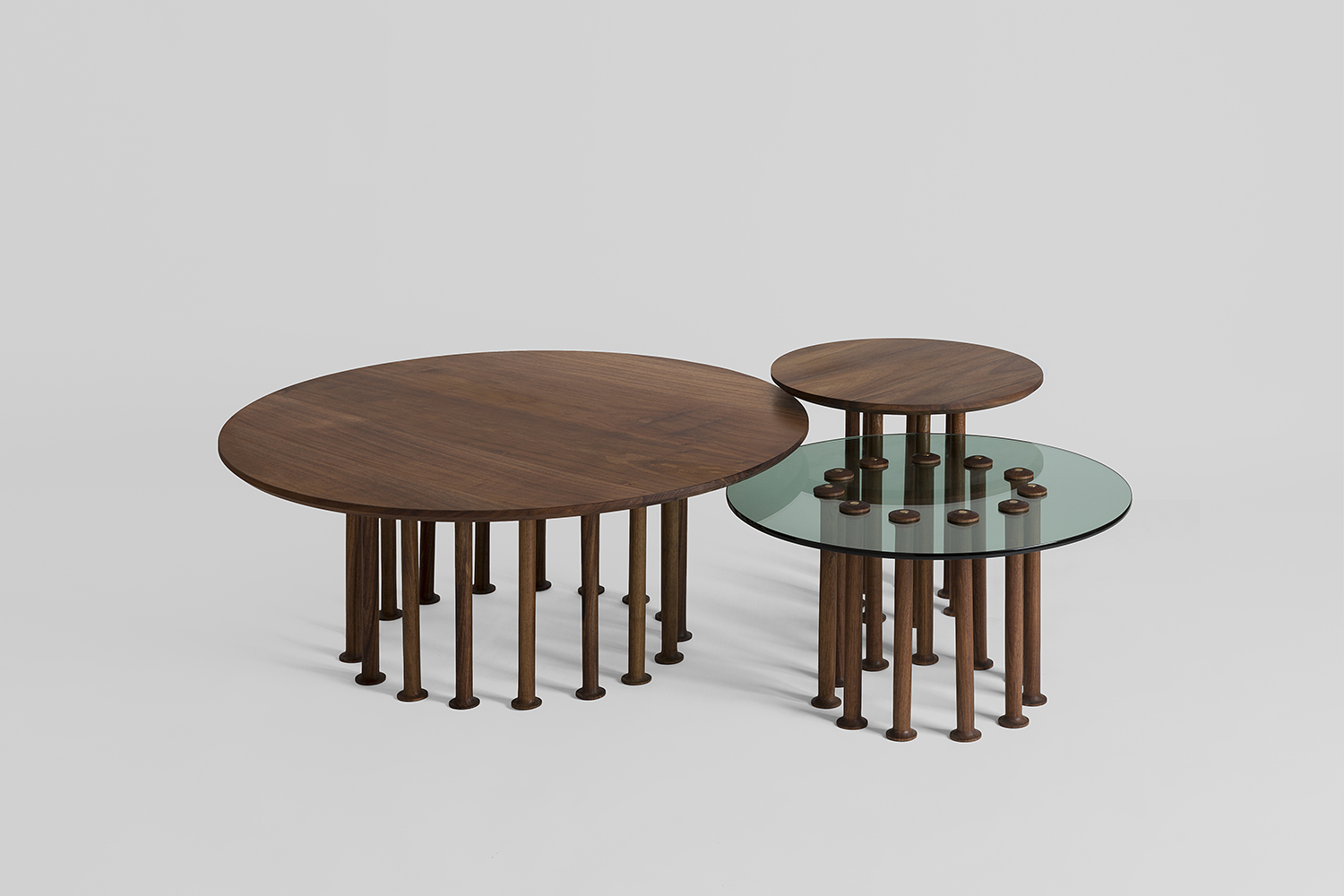
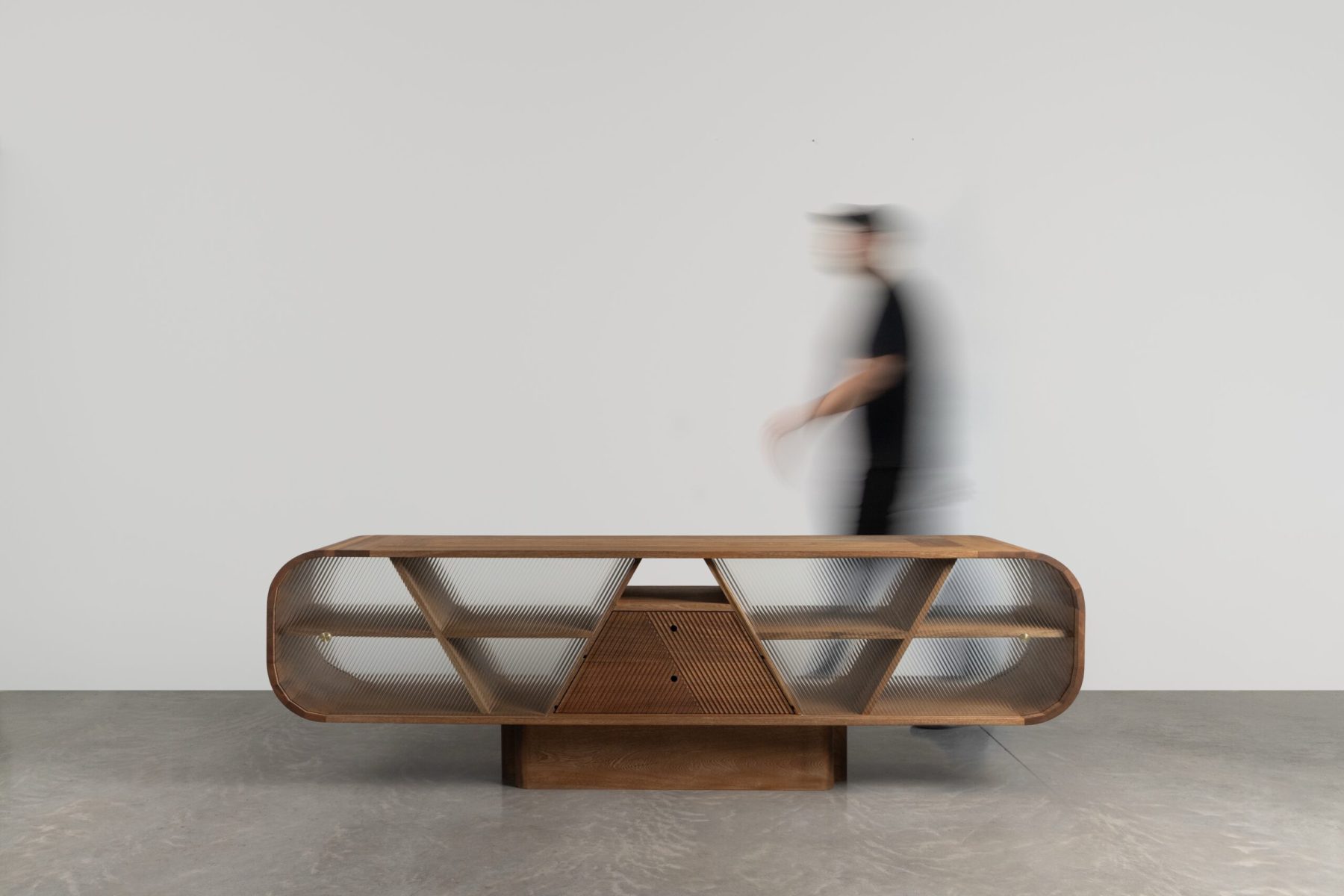
Since its initial introduction, the Molinillo’s design has been continually reinvented, adhering to the same fundamental elements while exploring new compositions and establishing fresh connections. One of these changes was the exploration of glass and its relationship with wood. The decision to employ transparent glass was deliberate, as it was essential to showcase the legs, the primary focal point of the piece. Extending beyond the underside of the table, the legs appear to break through the glass, resembling rocks breaking the surface of water. The designers employed caps that fit over the top of the legs, secured in place with brass screws, effectively sandwiching the glass. Although it retains the same core design, this reinterpretation results in a distinctly different piece.
Conceived in 2020 amidst the backdrop of the global pandemic, Colección Estudio’s second collection, aptly named “Perspective,” draws its inspiration from the newfound ways they related to the spaces they inhabited. This collection is a sculptural ensemble, skillfully uniting various shapes and materials to create harmonious combinations of form, color, and texture. Within this collection, table surfaces are adorned with mirrors and embroidered felt, nestled within protective wooden frames that extend gracefully toward the ground, serving both functional and decorative purposes.
The design approach takes cues from Japanese bathtubs constructed from multiple small wooden pieces connected by metal rings. The exterior panels are meticulously hand-sanded using a Japanese wood plane to create a soft, perfectly rounded appearance on the outside while preserving the flat wooden faces on the inside. The mirrored inserts within the tables emulate the depth of water in a bathtub, emphasizing the volume and solidity of the wooden structure. In contrast, the wool felt introduces warmth and comfort to the pieces, serving as a counterpoint to the cool, reflective nature of the mirrors. Manuel emphasizes the tactile value of wool felt, stating that even without physical contact, its texture can be intuitively appreciated, offering a sensory experience through sight alone.
Explorations of wood, glass, and mirrors that redefine contemporary Latin American design.
“His research into form, volume, materials, and production processes broke with formalism and proposed art that is useful and transformative. ”