A Manifesto For Multiple Futures
NEW EVERYDAY is the precept we use to frame the context in which we currently find ourselves as a gallery. A celebration of ten years of existing as a platform for the convergence of art and design.
Bores describes the paper as “a space that provokes and apprehends patterns of natural phenomena”
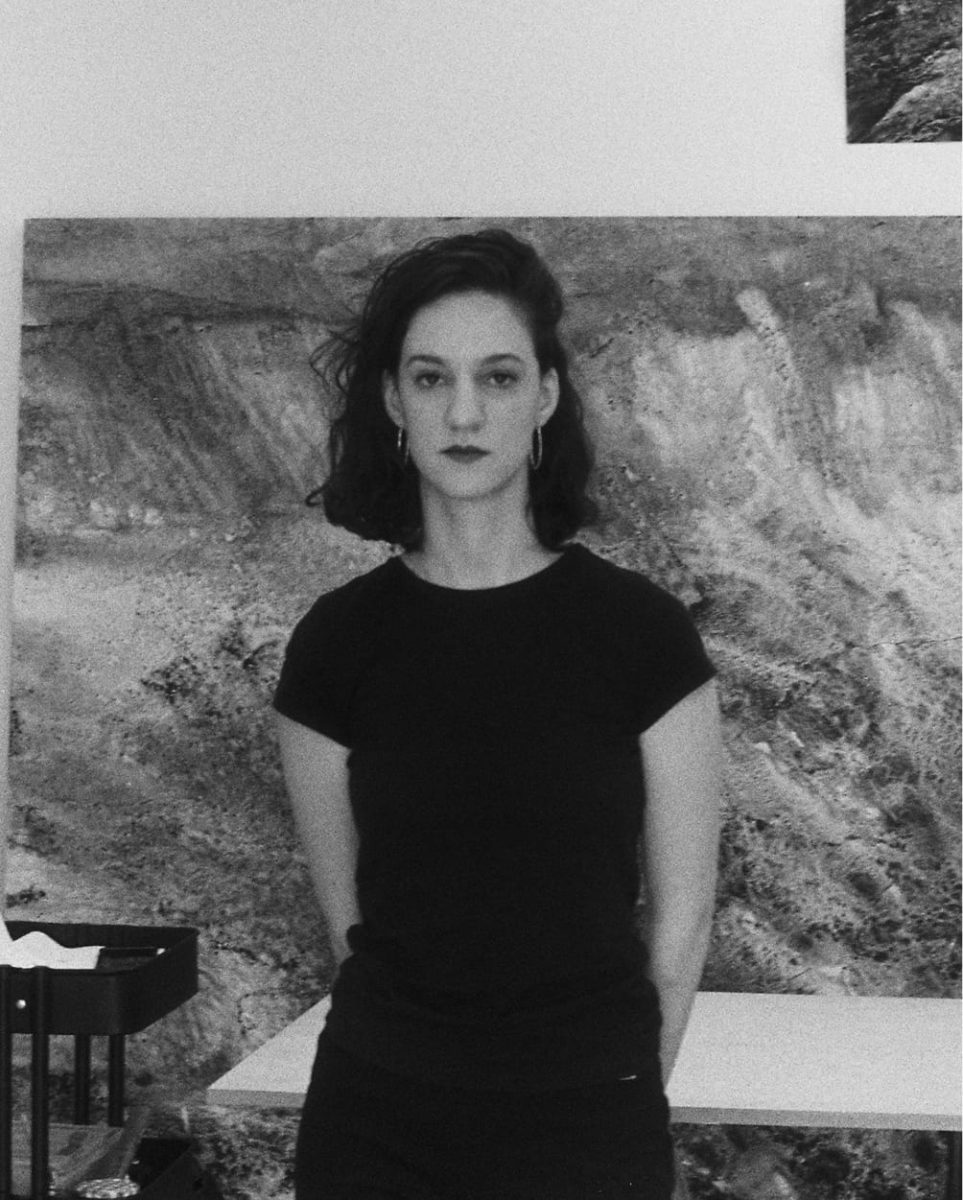
Trained in Textile and Fashion Design at CENTRO de Diseño, Cine y Televisión, and with prior studies in Mechanical Engineering and Administration at ITESM, Bores positions her practice at the intersection of pictorial and textile traditions.
Her work has appeared in solo exhibitions at the Museo de la Cancillería, Mexico City (2021), and Galería E Ciento Veinte, Madrid (2024), as well as group shows at Salón ACME, Querétaro (2023), Untitled Art Miami (2024), and Casa Wabi (2018), and repeatedly in Ángulo Cero’s group exhibitions.
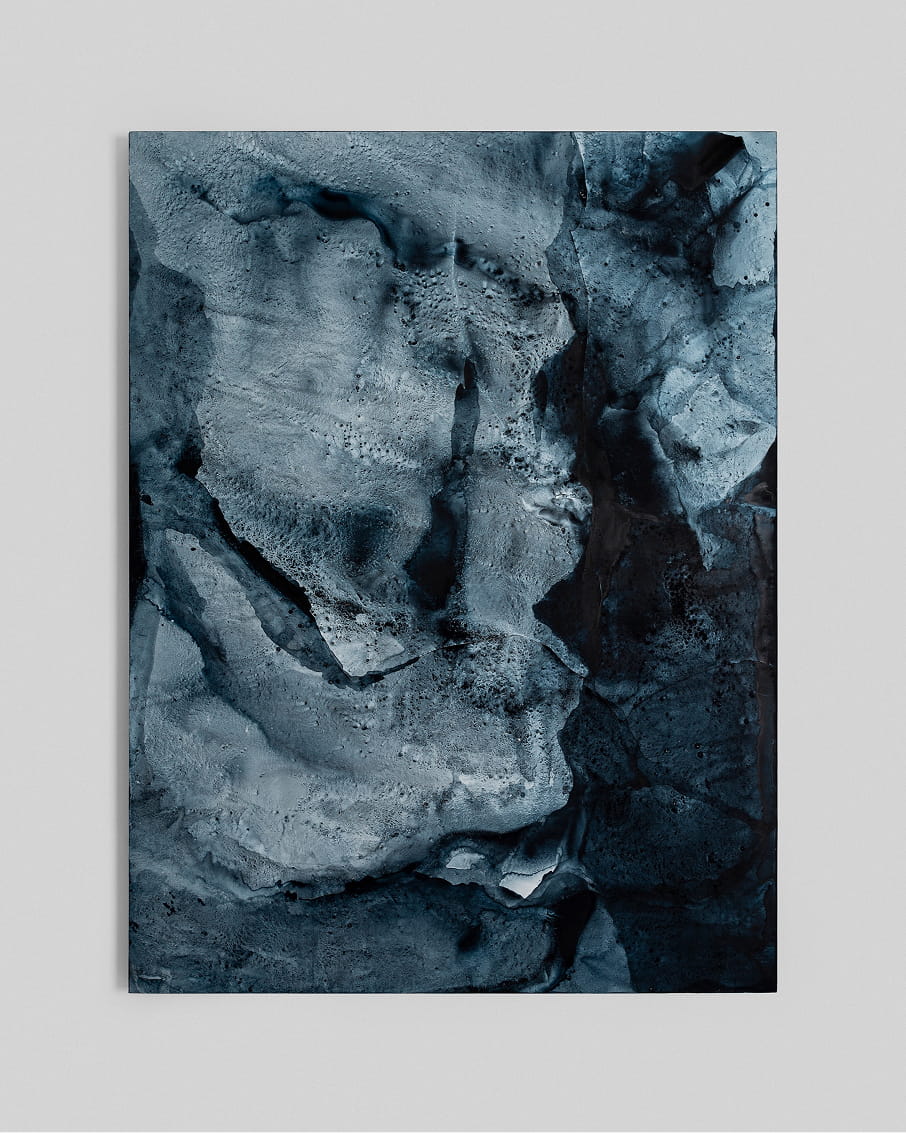
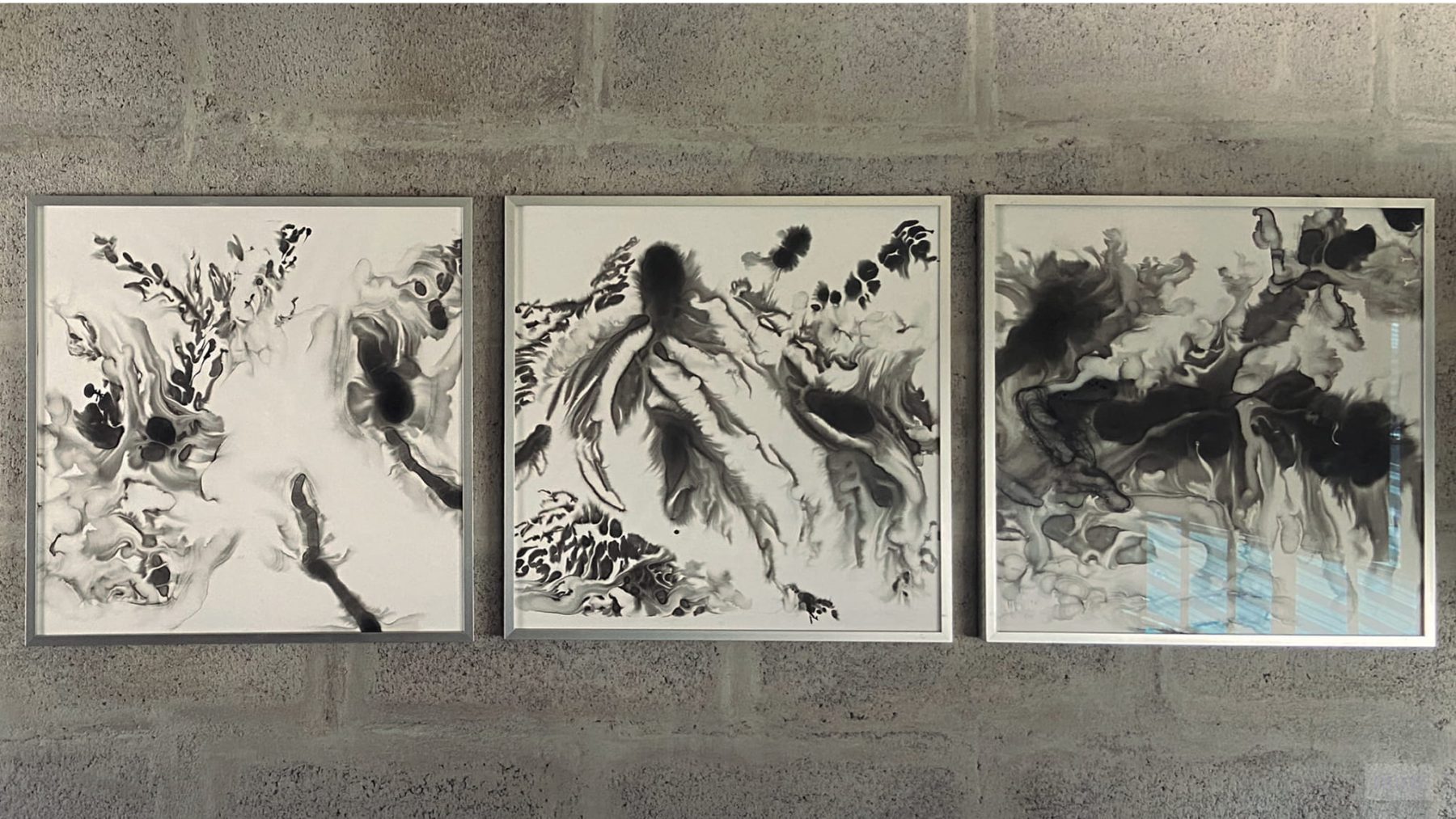
Working with organic pigments—mineral carbon and añil (indigo)—Bores charts the self-organizing behavior of granular matter on paper. She grinds these pigments to fine powders, blends them with water into viscous suspensions, then lets sedimentation and capillary forces drive emergent networks of veins, pools, and fractures akin to geological strata. Drying variables—absorbency, viscosity, evaporation—collaborate to sculpt each composition.
Rooted in fluid dynamics, her works translate laminar flows and turbulent vortices found in rivers and coastlines into static registers. Bores describes the paper as “a space that provokes and apprehends patterns of natural phenomena” and the resulting marks as “traces of living flows.”
“From a sensitive and rigorous practice, she creates pieces that celebrate permanence and slowness.”
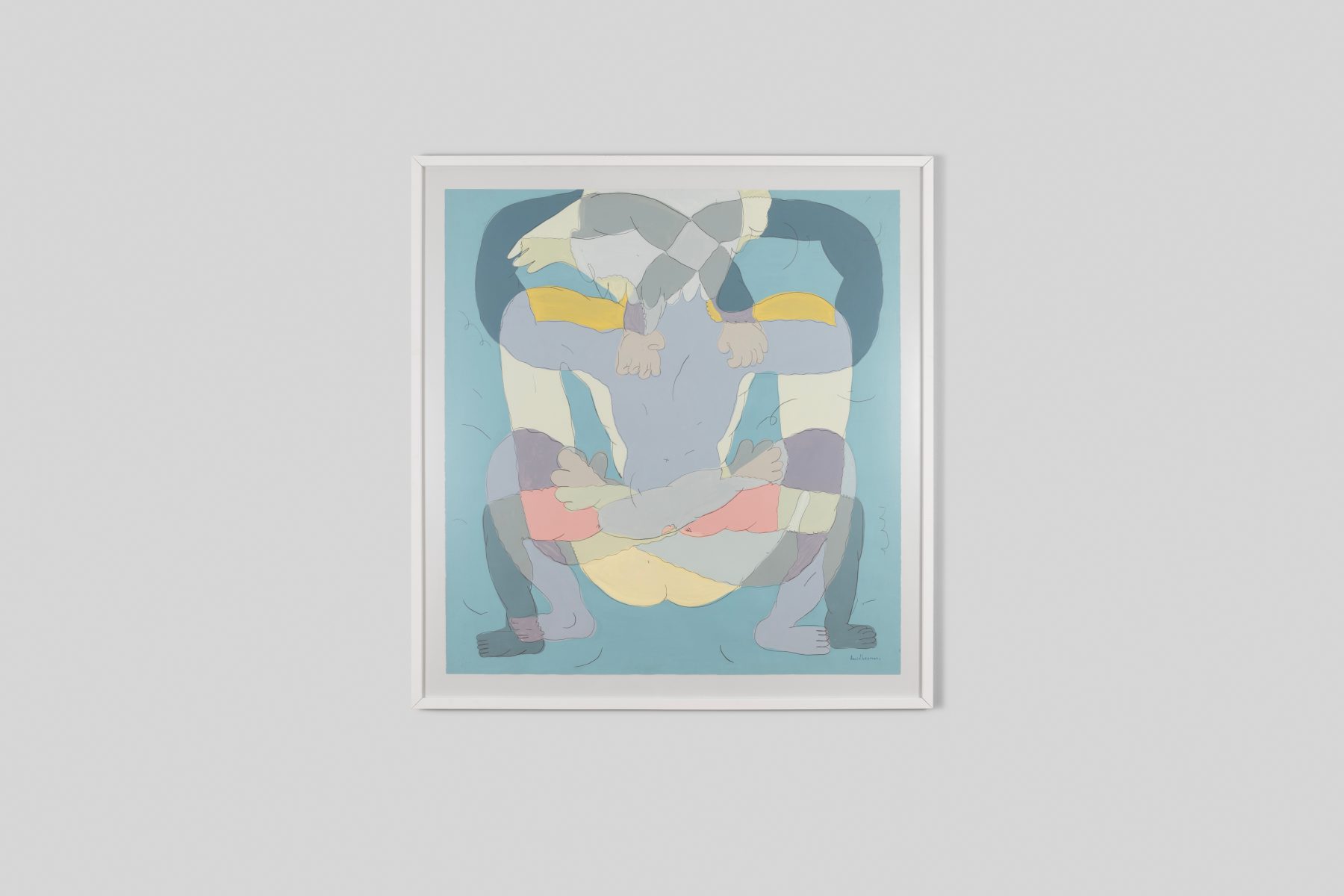
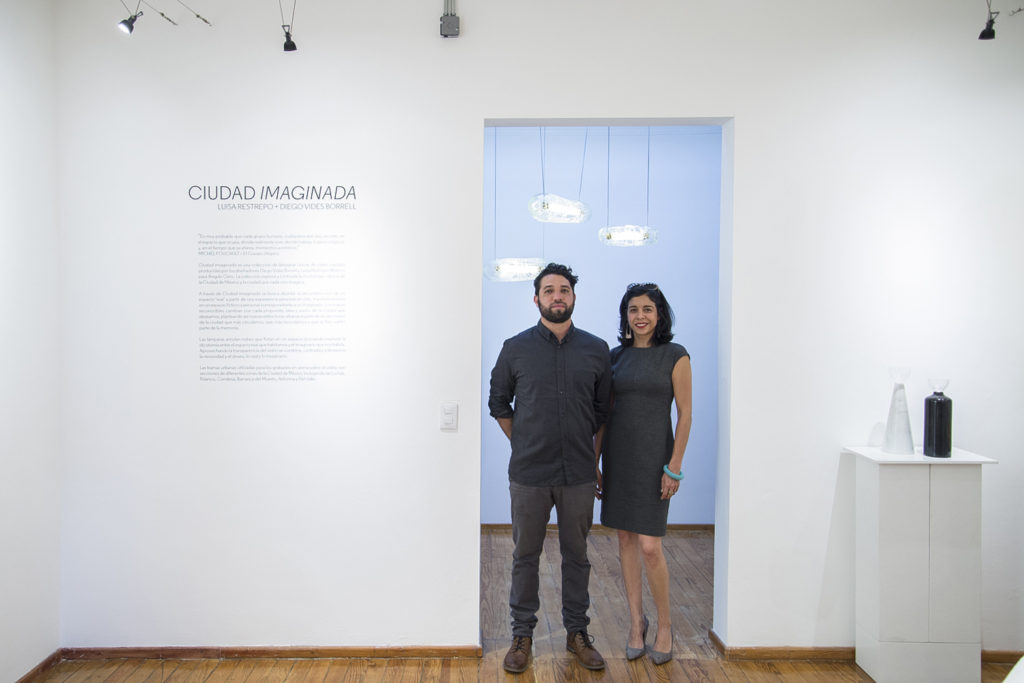
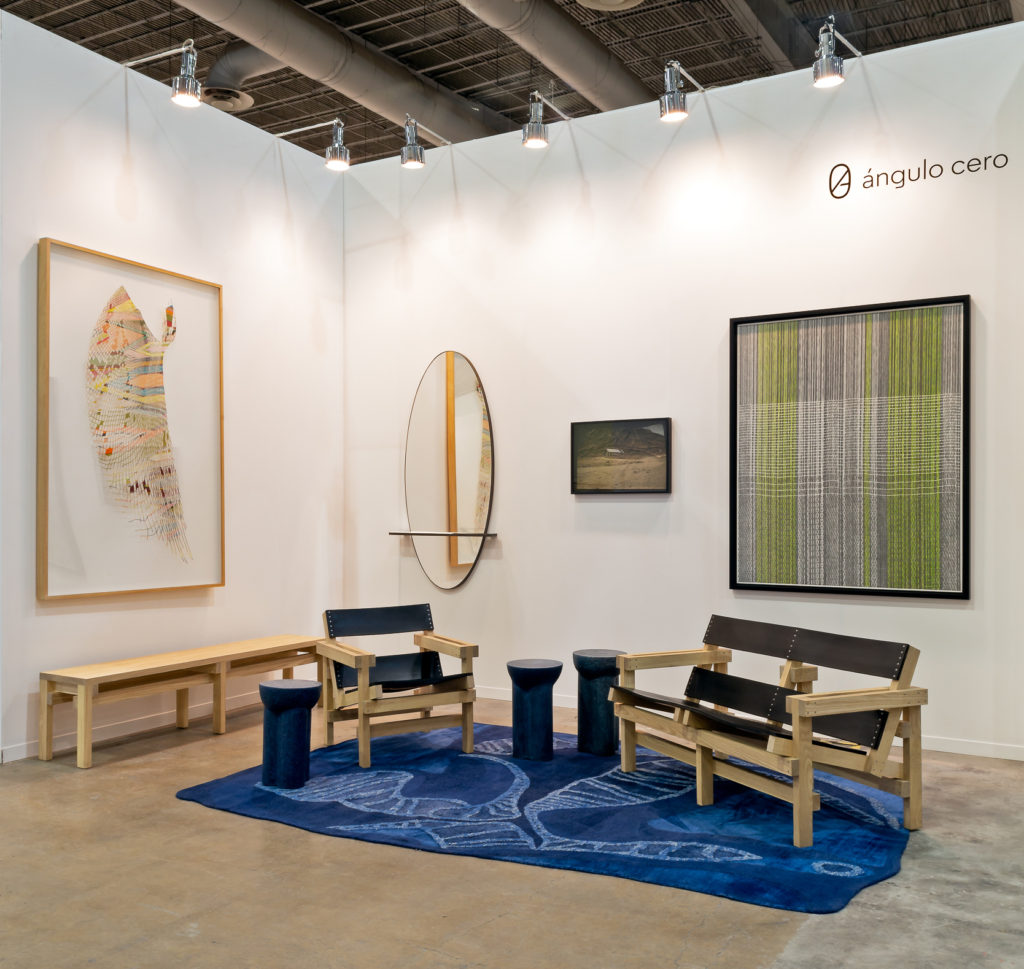
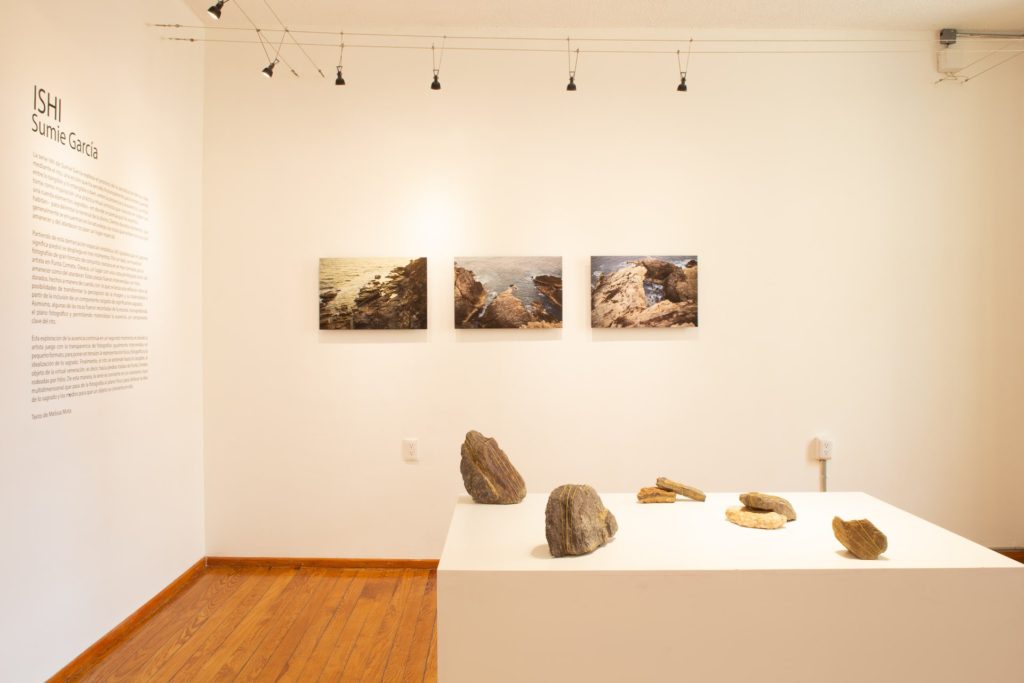
It is in this latter aspect that NEW EVERYDAY is underscored—a concept coined by the Soviet artist Vladimir Tatlin, whose “new everyday” (новый быт) proposed the radical integration of aesthetics, functionality, and ideology into daily life and the role of art as an agent of social change. Tatlin was also a teacher. For him, as for so many of his generation, education was an integral part of artistic practice. To educate was to project the future. He understood that art must actively intervene in the construction of everyday life. His research into form, volume, materials, and production processes broke with formalism and proposed art that is useful and transformative. He was among the first to promote a radical integration of aesthetics and function.
“His research into form, volume, materials, and production processes broke with formalism and proposed art that is useful and transformative. ”
Particular Contexts
and Languages