

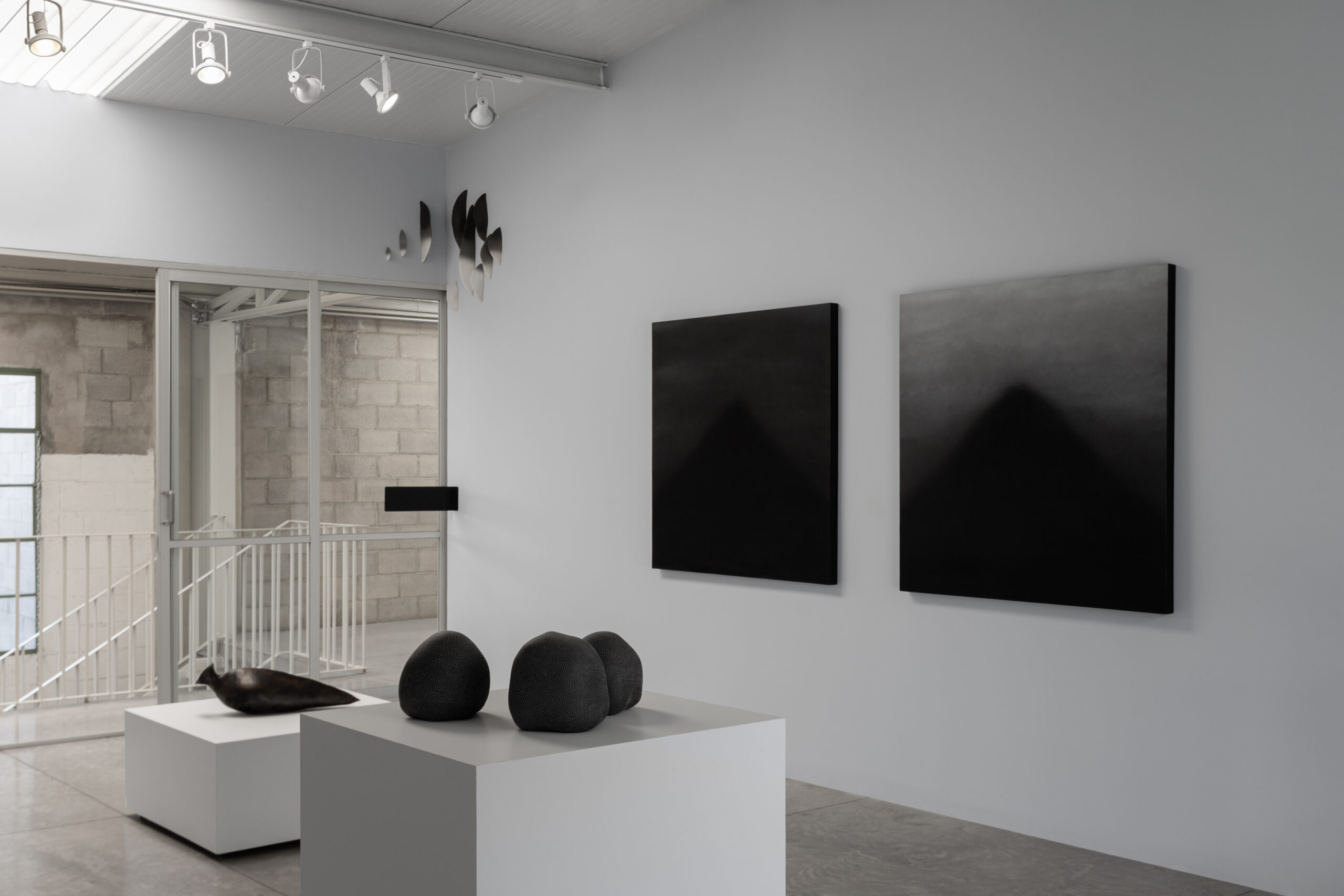
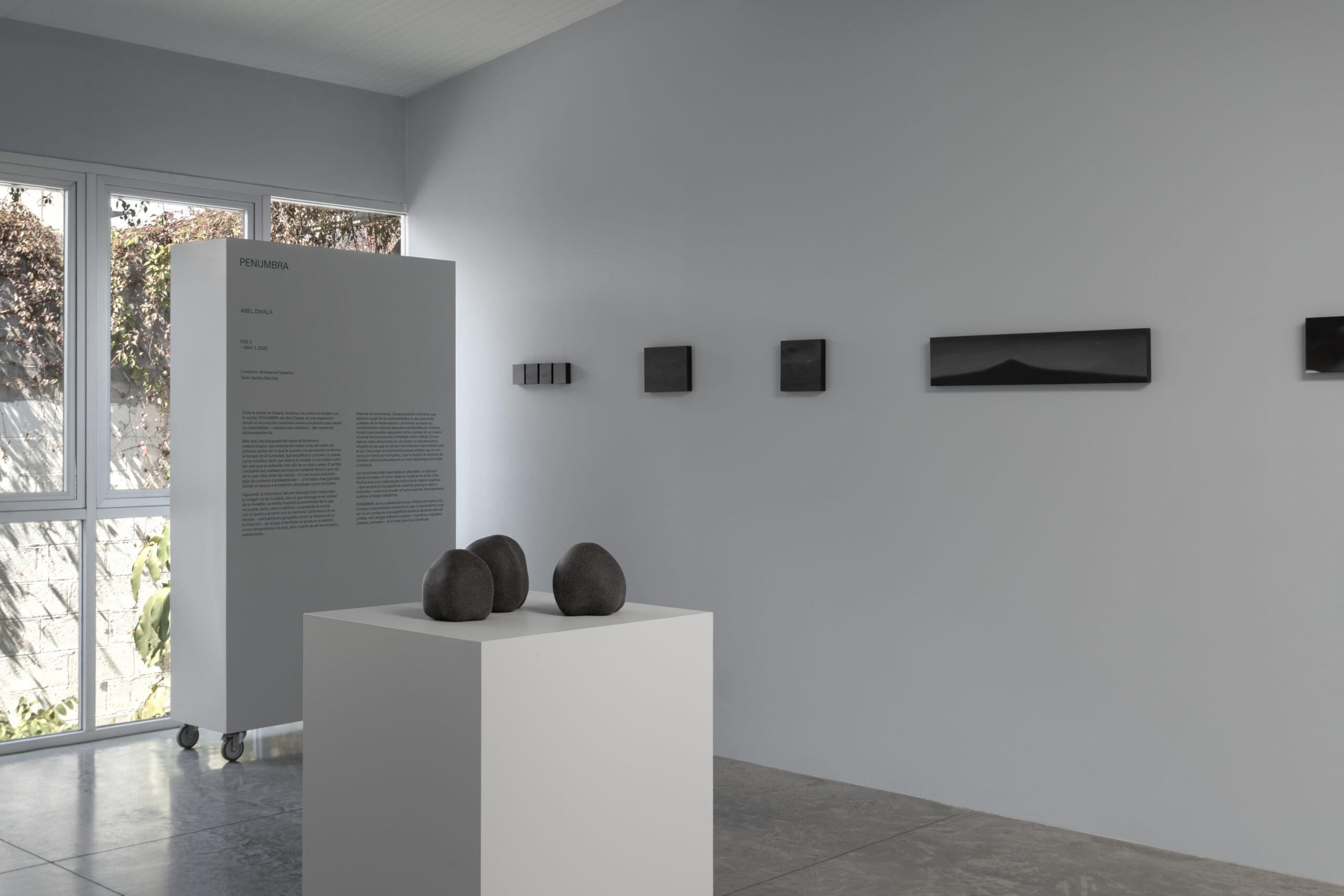
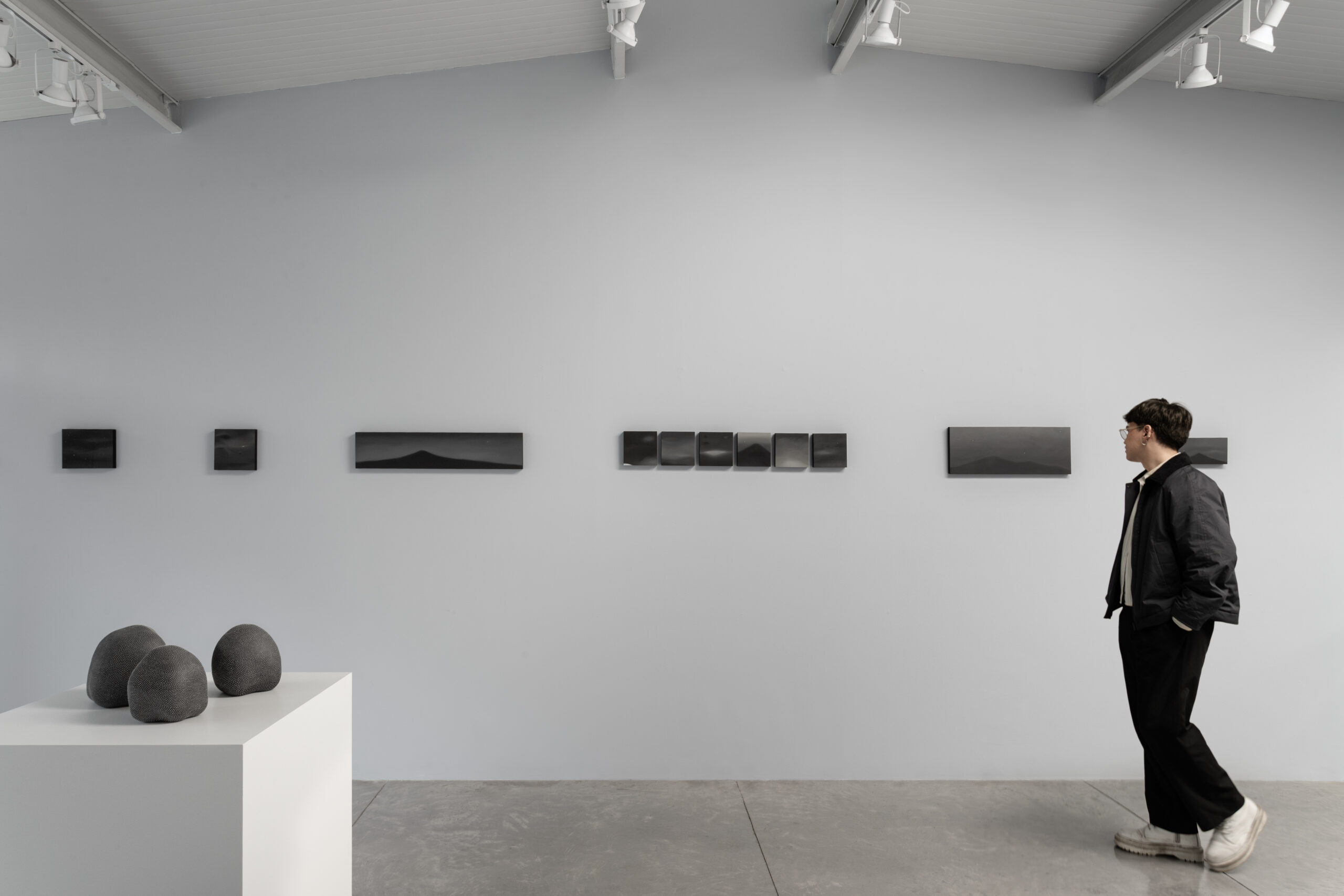
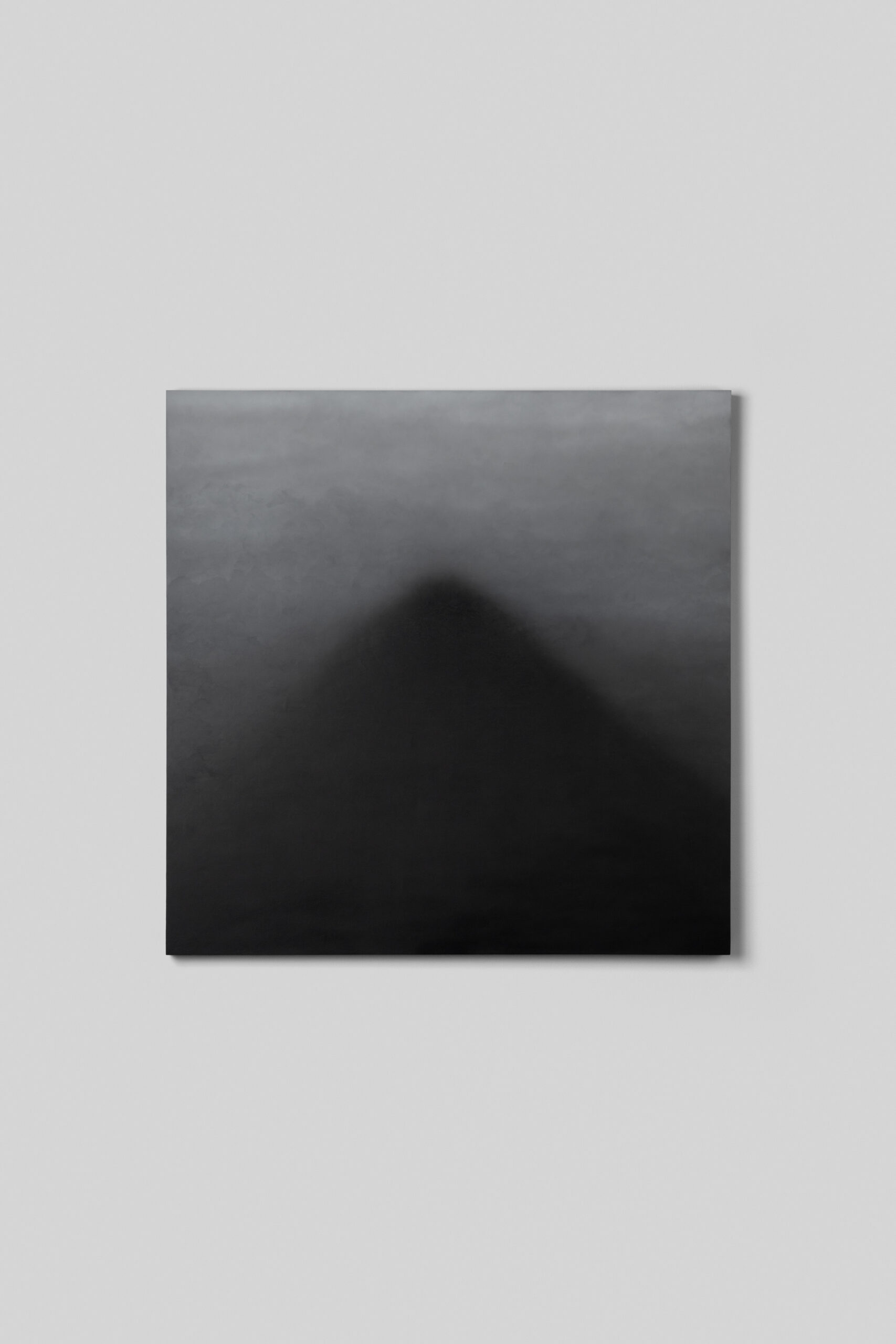
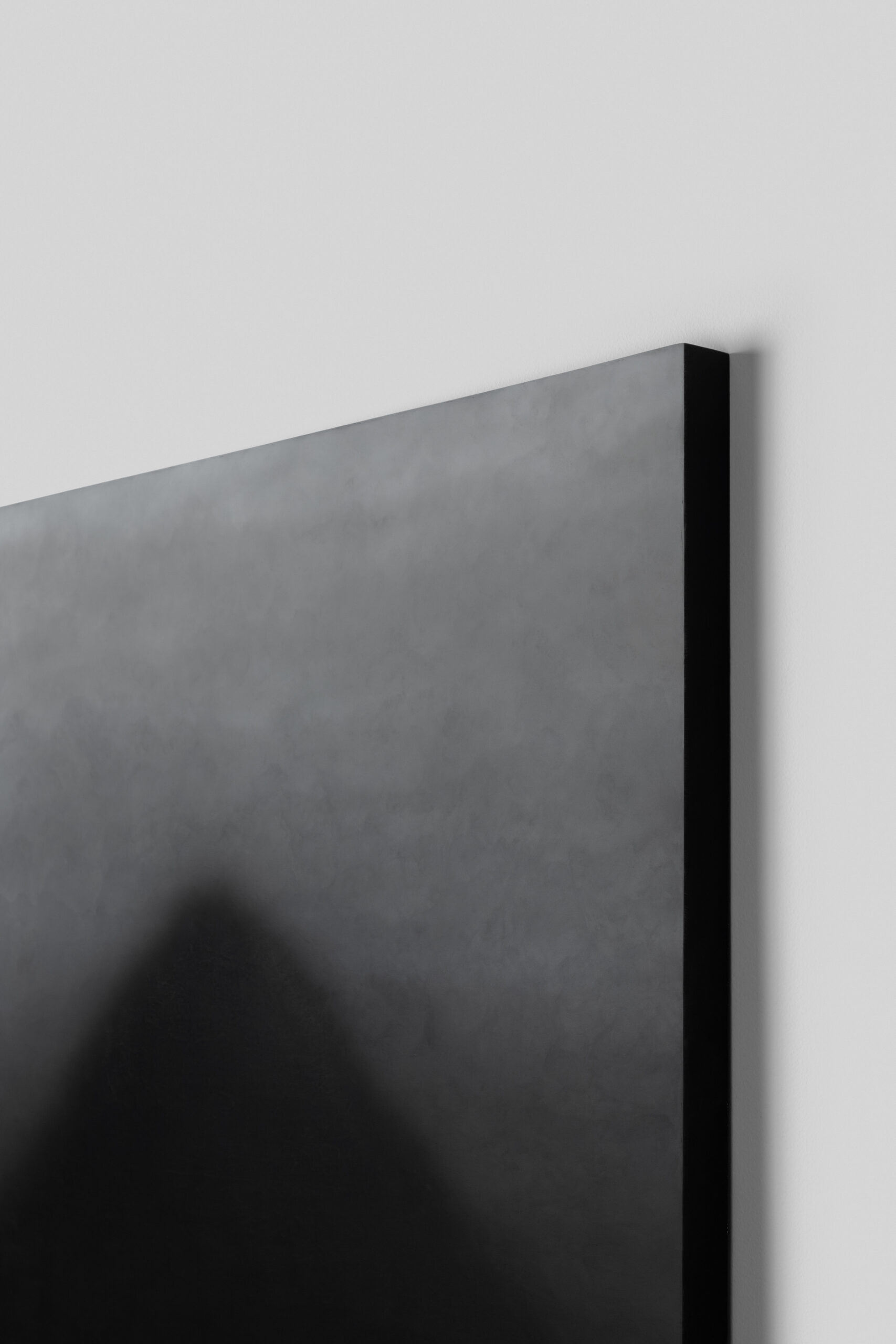
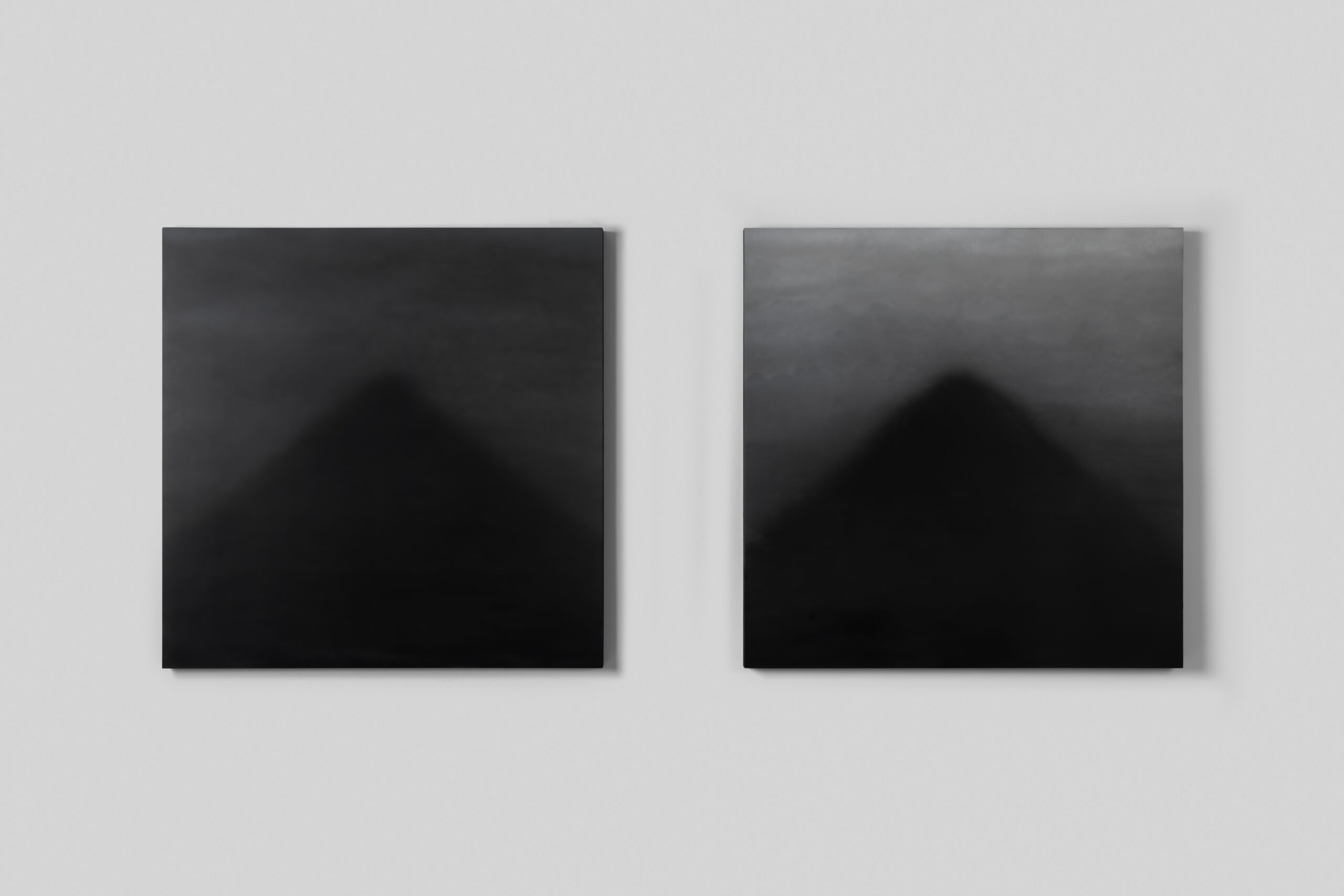
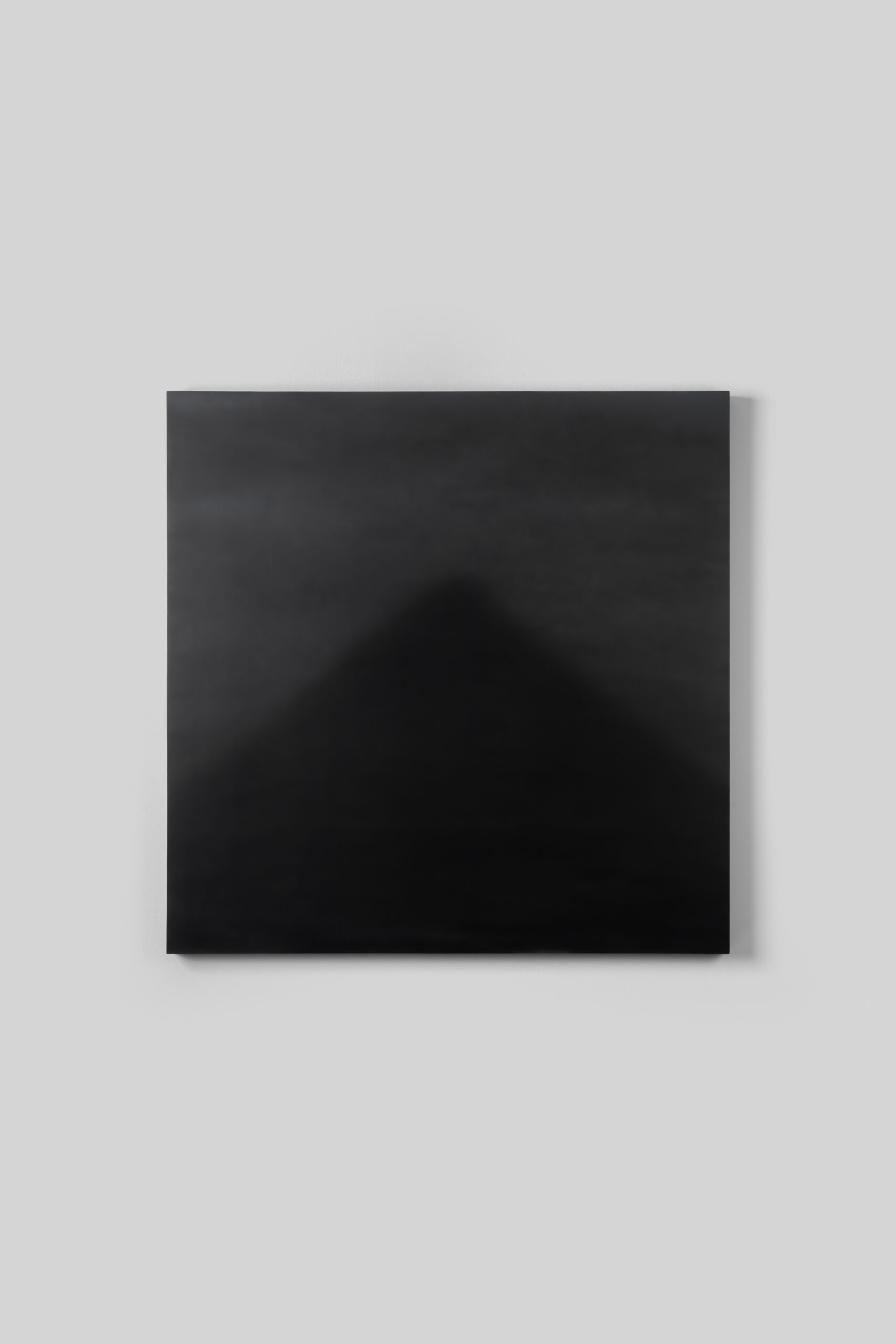
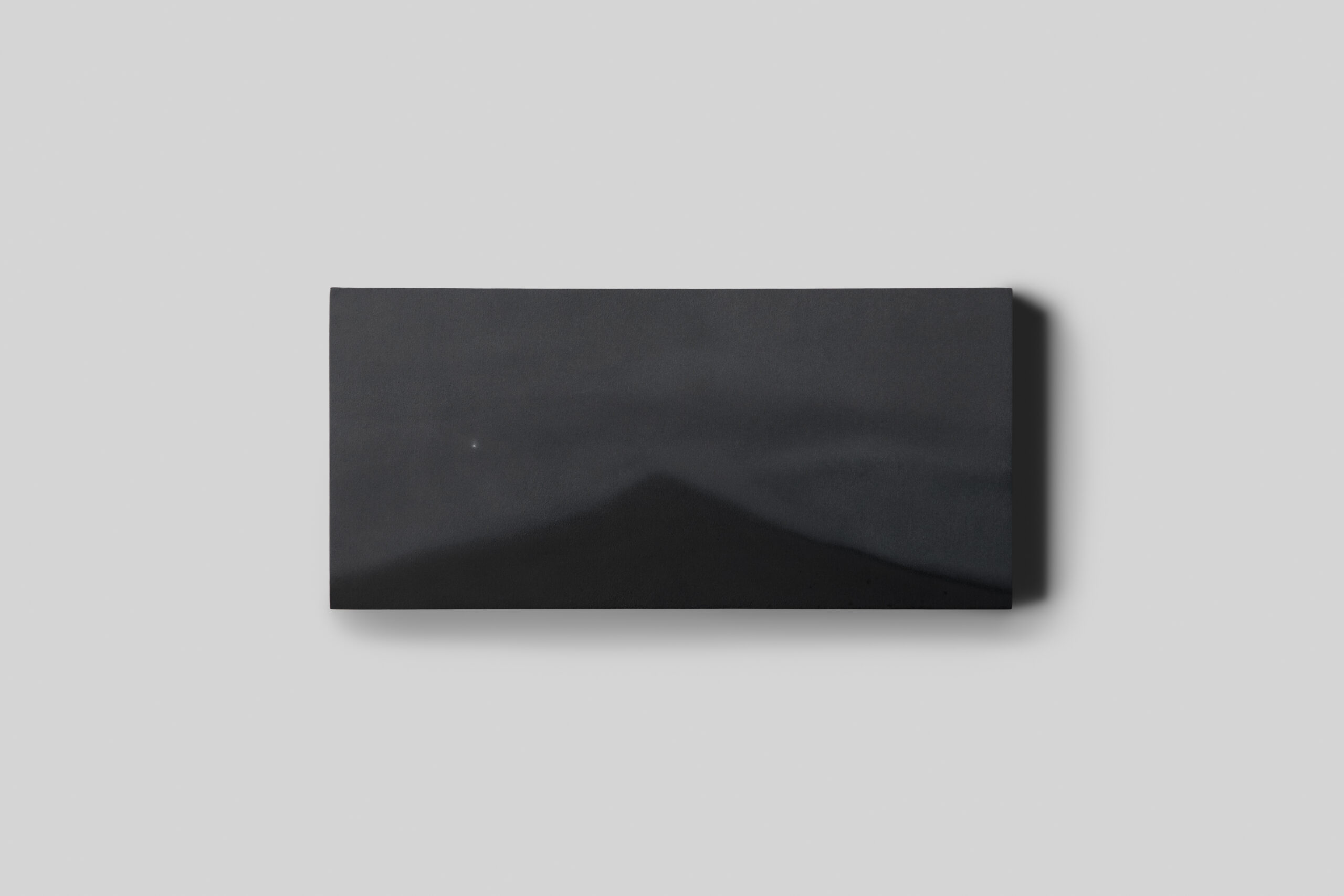
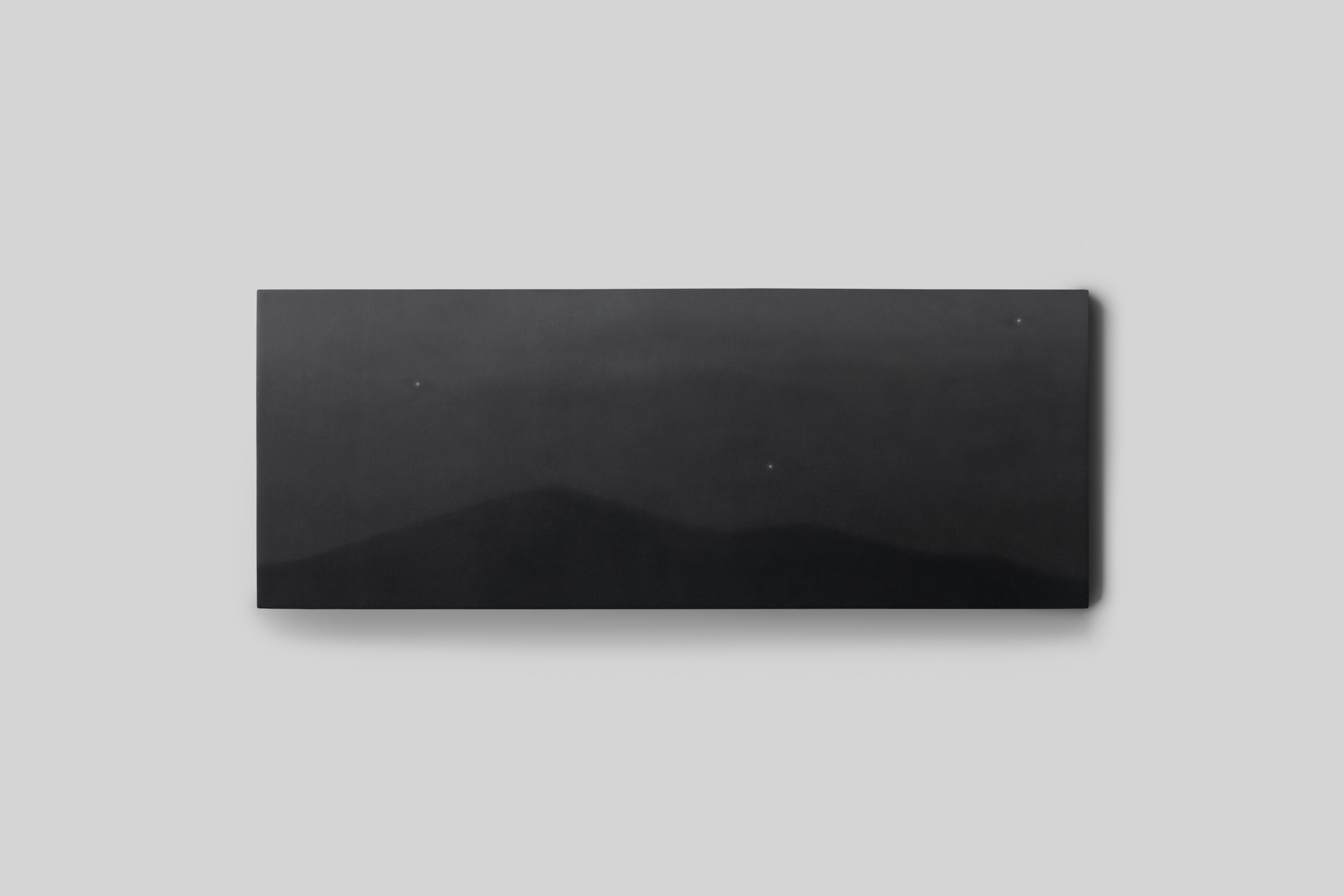
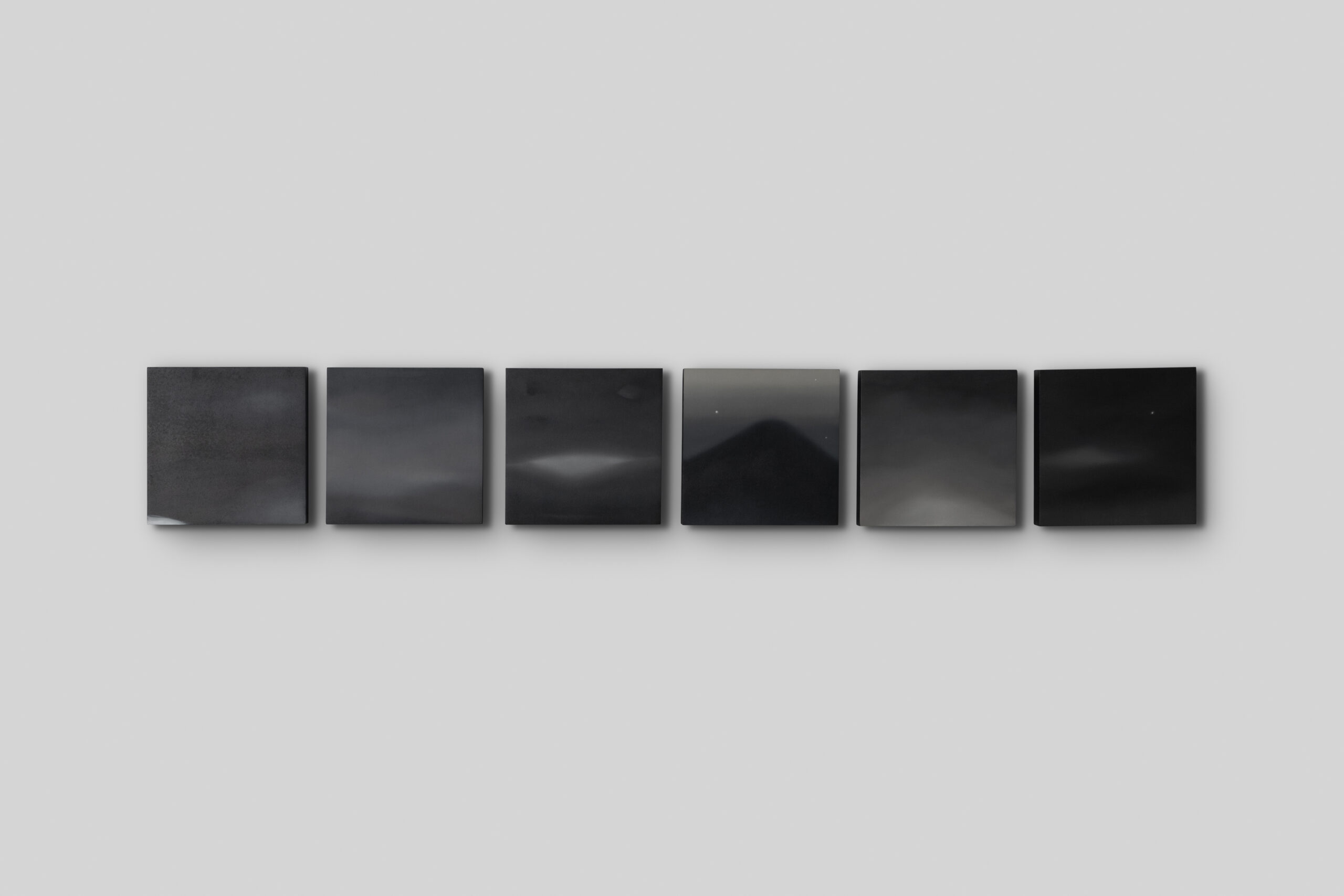
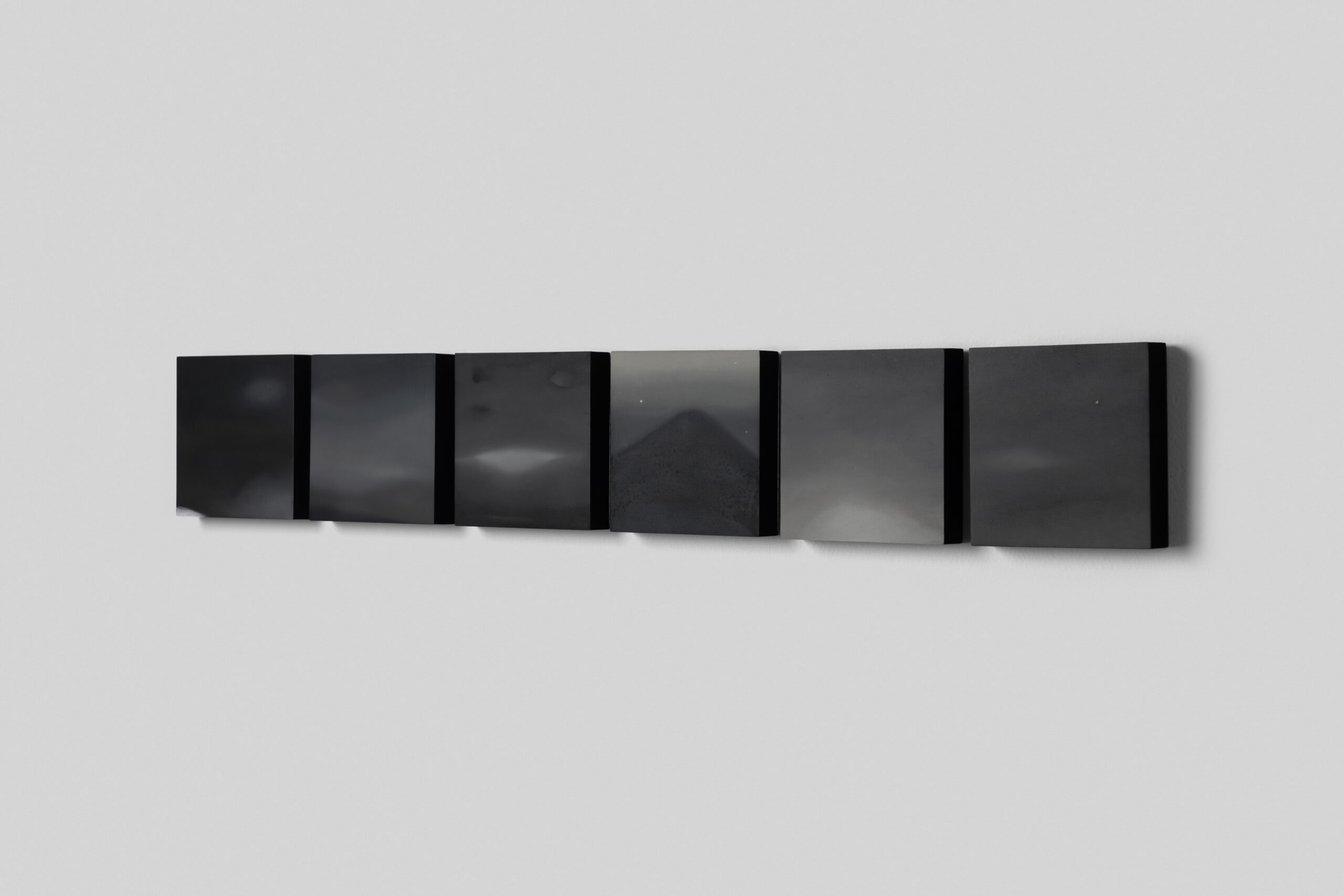
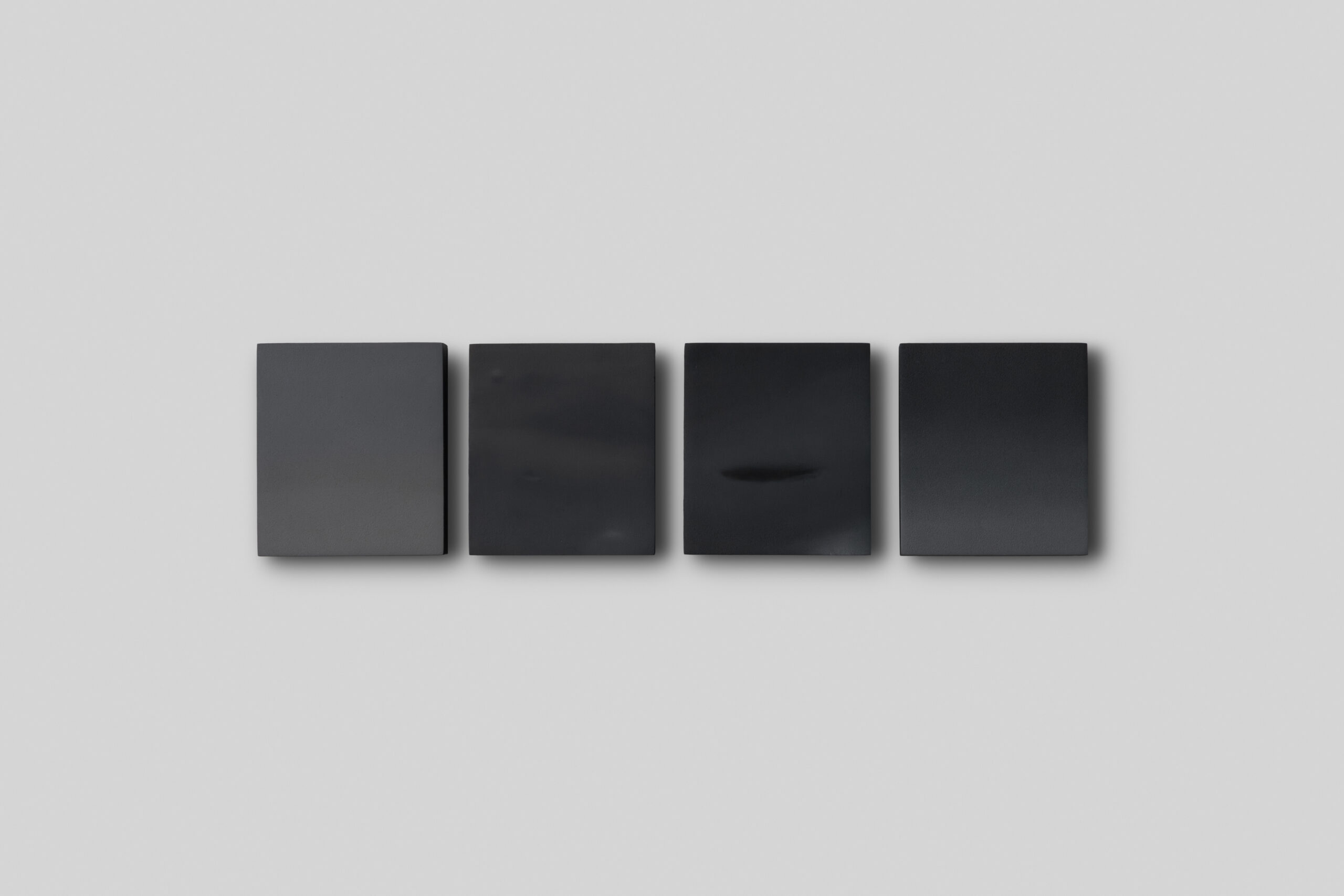
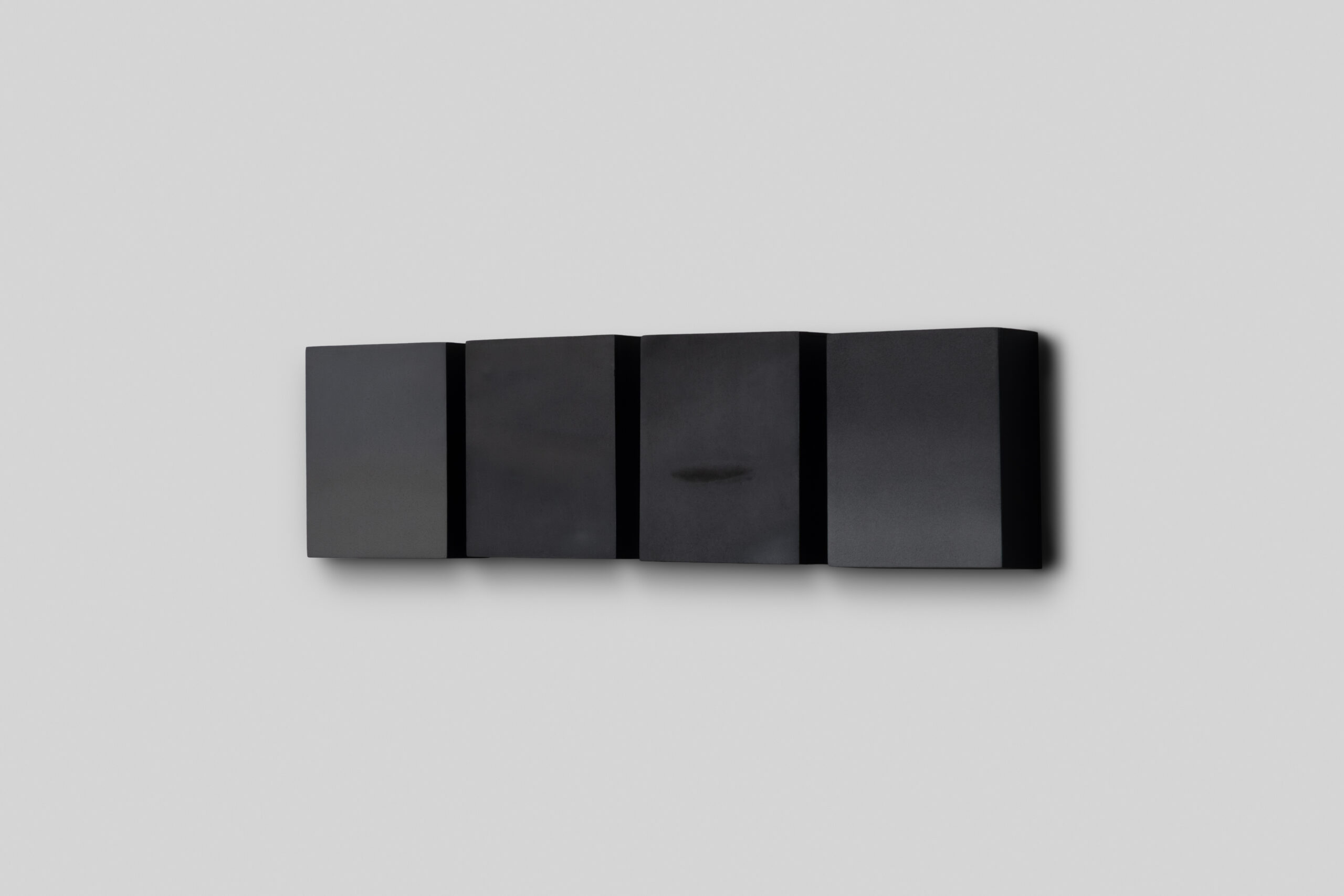
In the fog of Xalapa, Veracruz, the hills merge with the night. PENUMBRA, by Abel Zavala, is an exhibition in which the renowned ceramist returns to painting to convey this experience through its materiality—layer after layer.
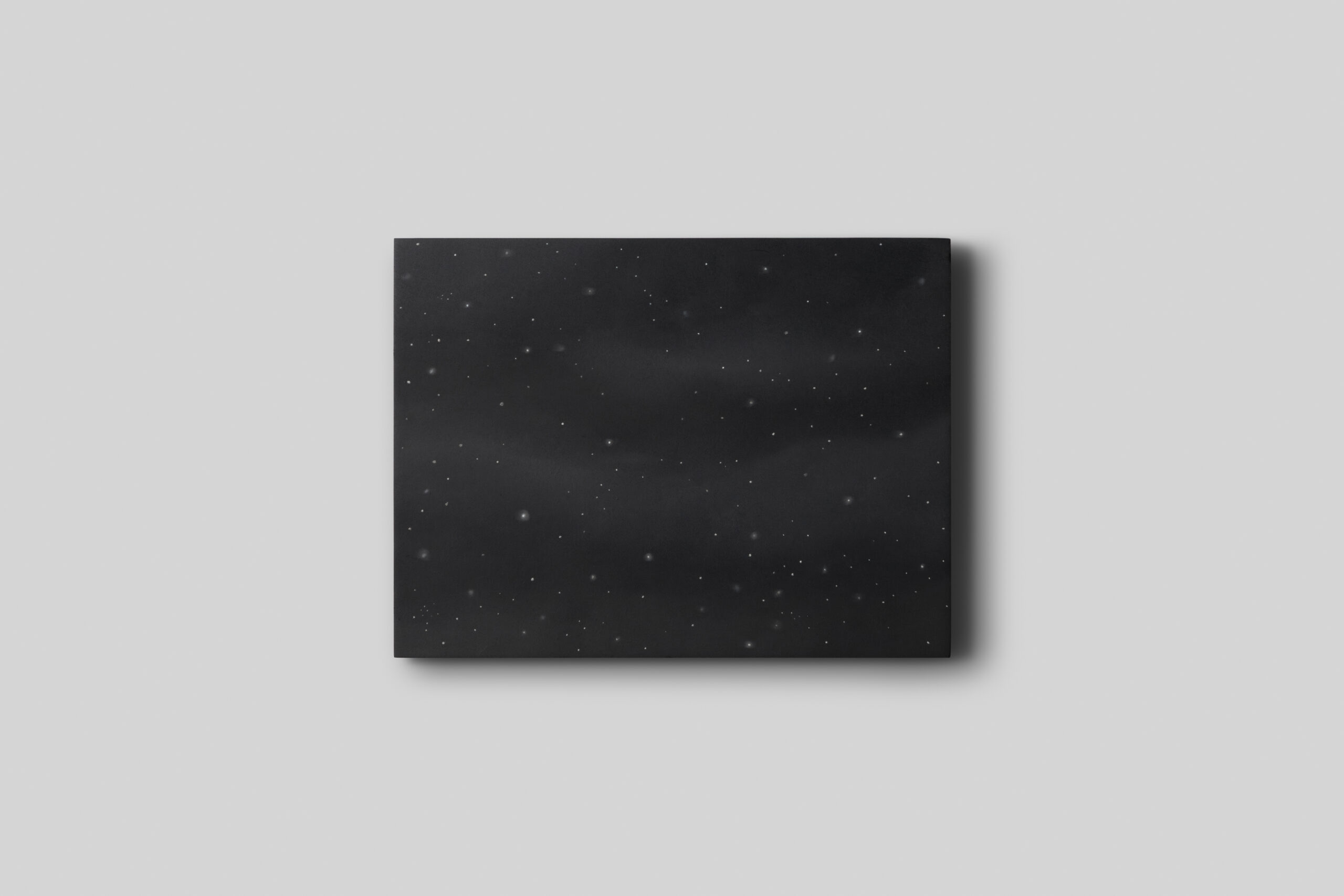
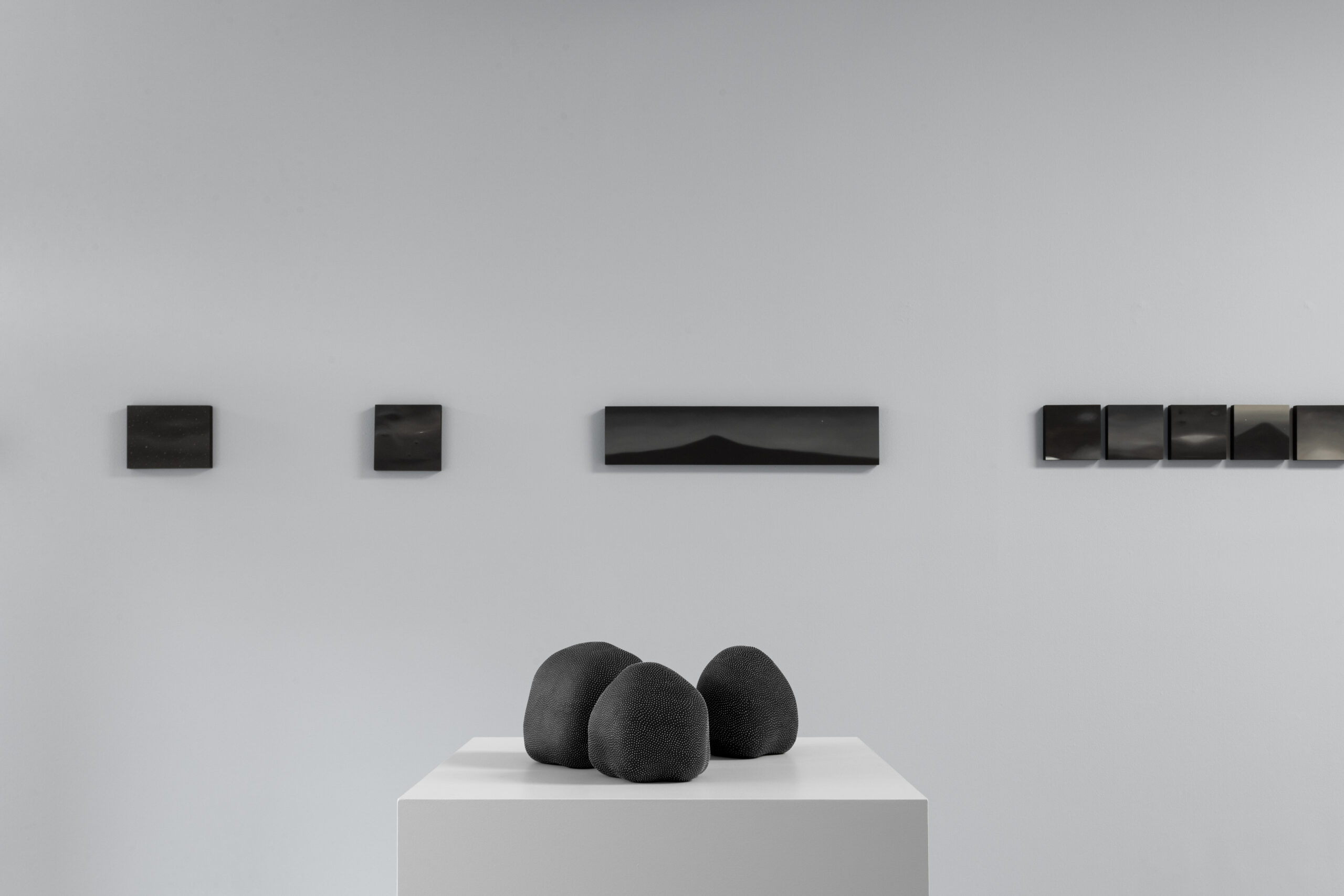
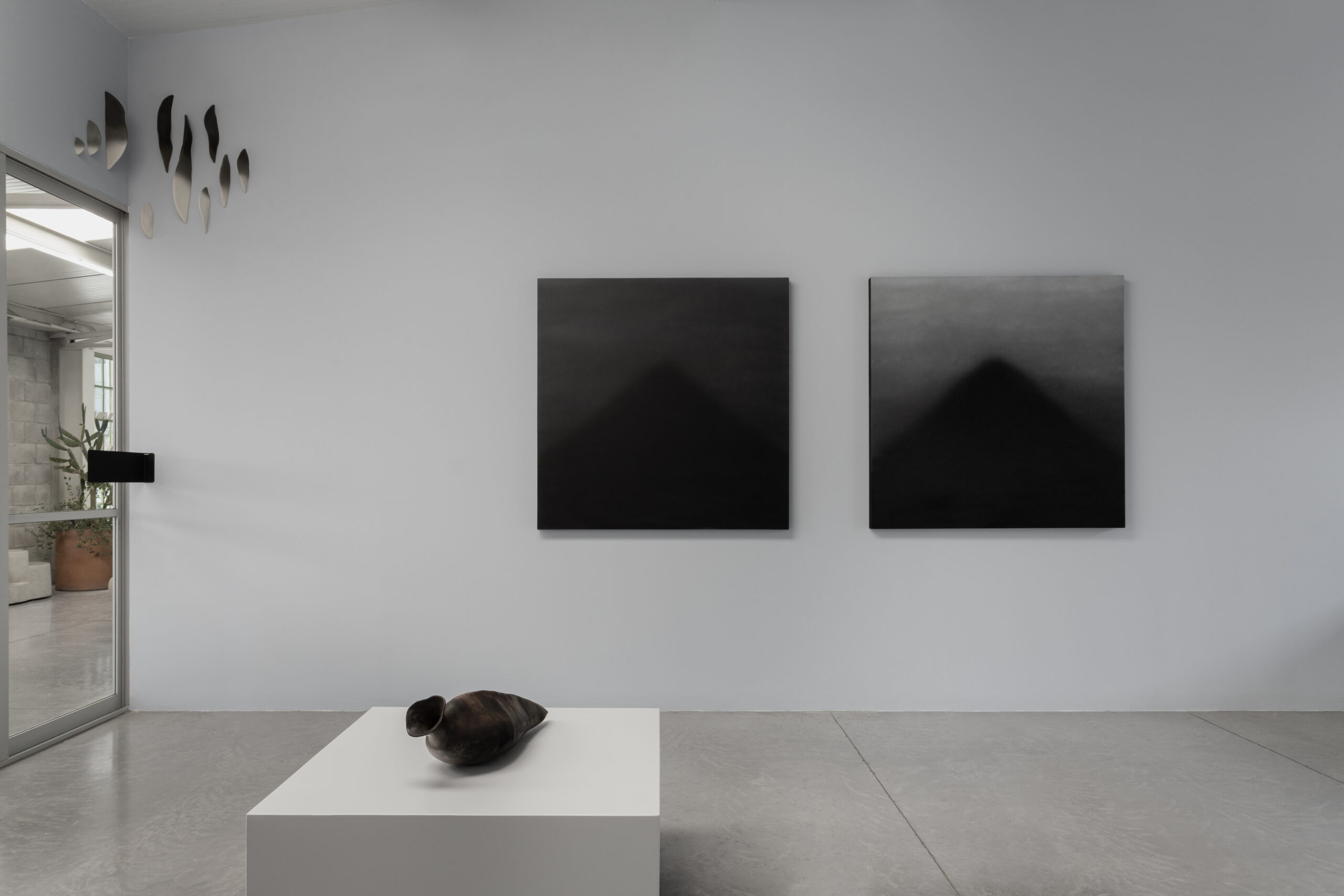
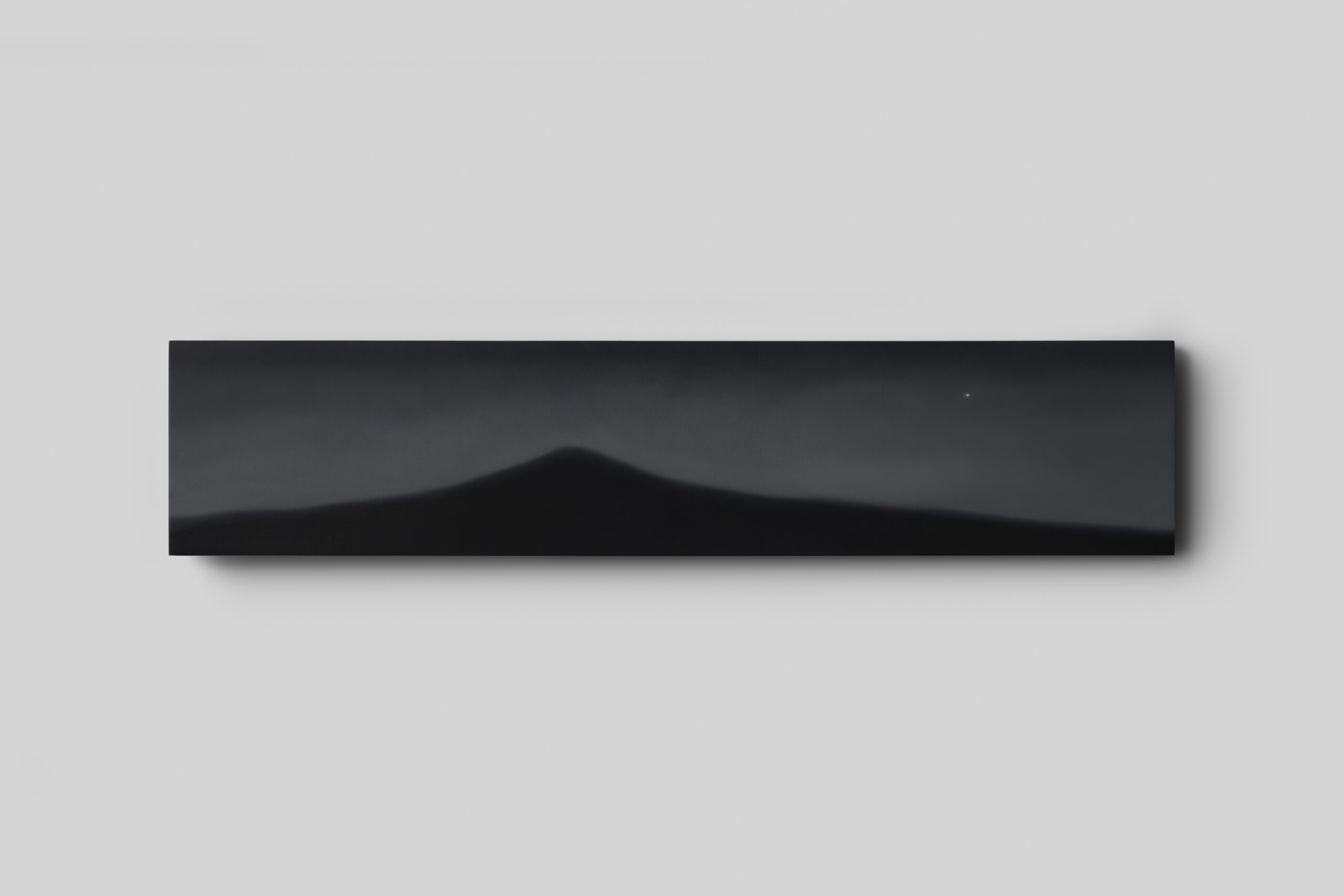
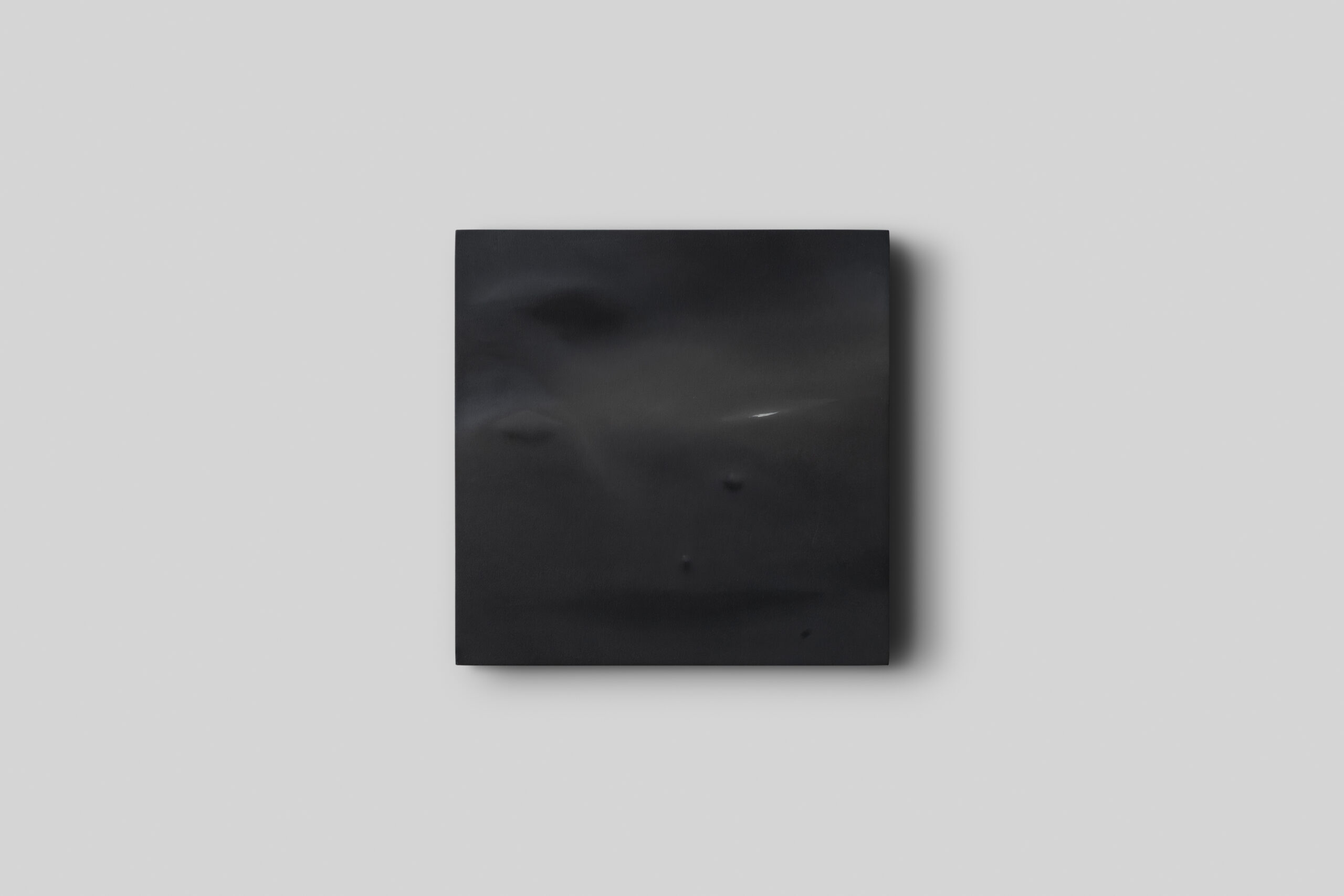
More than a faithful exploration of the meteorological phenomenon that pushes clouds to ground level, the paintings are based on what happens to perception when it opens up to humid weather, which amplifies what is close by. Fog as a tactile gauge that distorts the gaze; darkness as an eye-skin that extends beyond a single body. The artist shares this perceptual reality through canvases that range from those that fit in the hands—which, despite their small size, still contain constellations—to larger formats that approach the tradition of landscape as horizon.
Following art historian Georges Didi-Huberman: the image is not the visible, but what emerges on the threshold of the invisible. The fog shows the proximity of what cannot be seen but can be felt, connecting night with sleep and the hill with memory. Each canvas is a transition—a geographical thought between observation and intuition—in which the territory is produced by feeling it as temperature and mist, and from there, enunciating and reworking it.
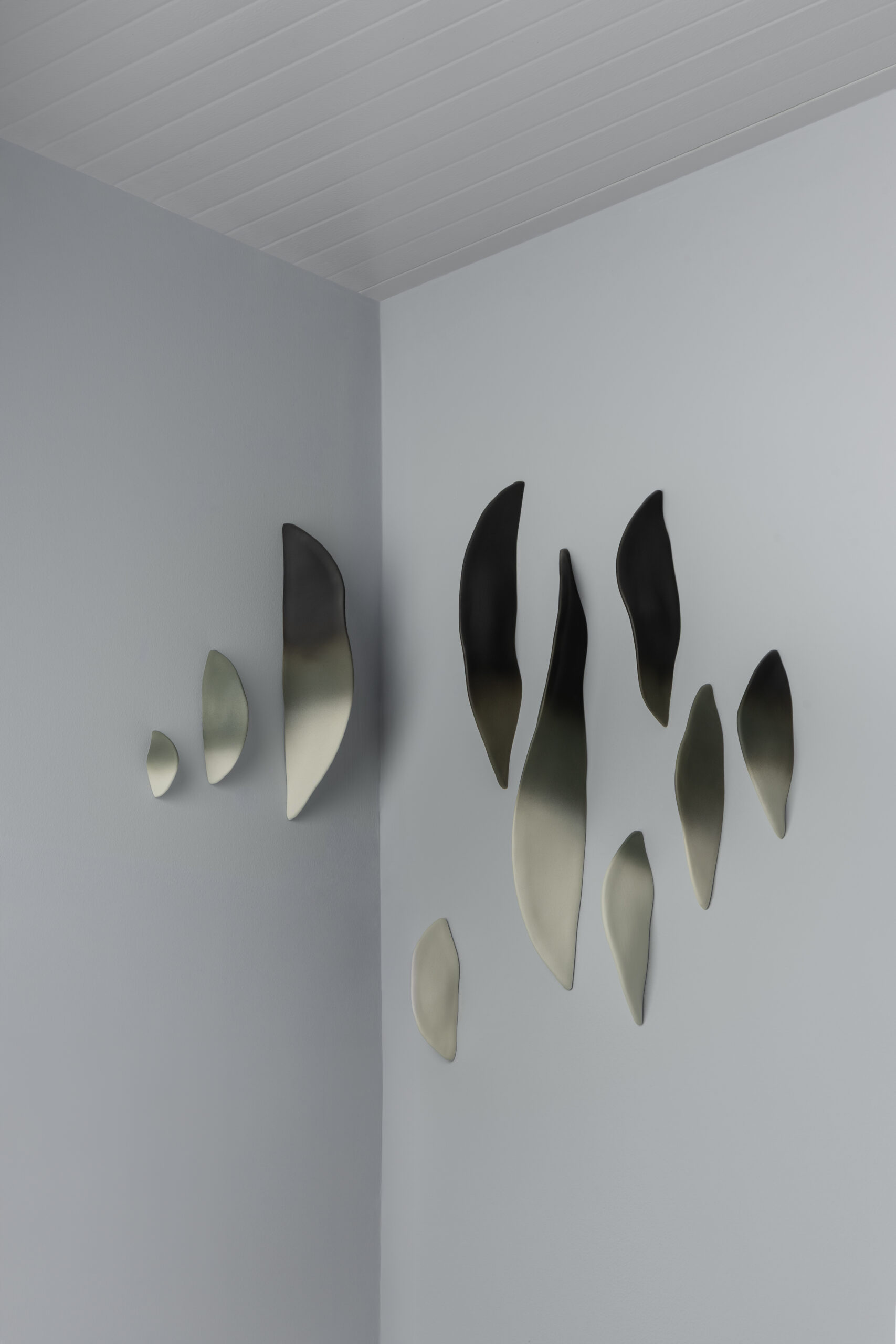
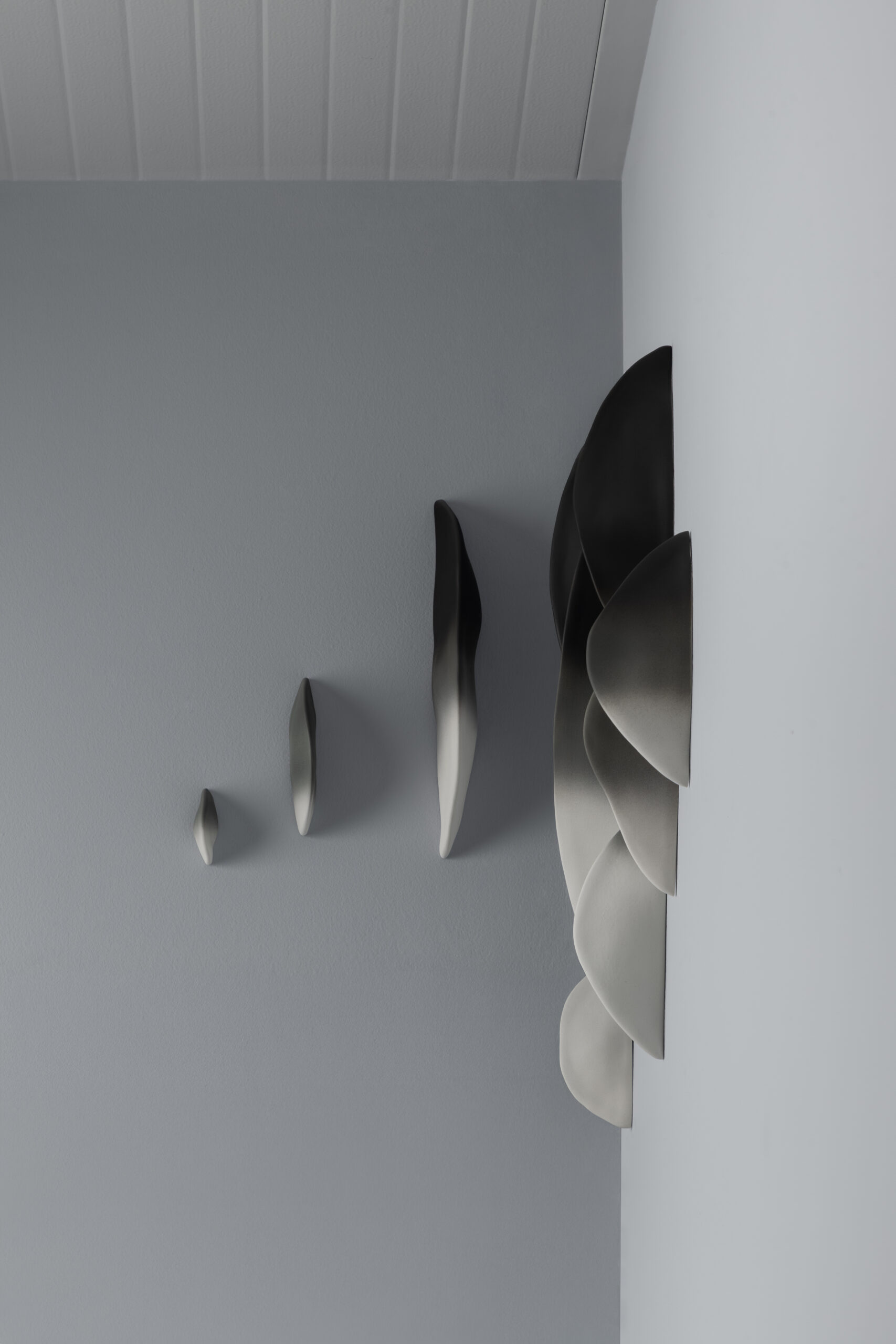
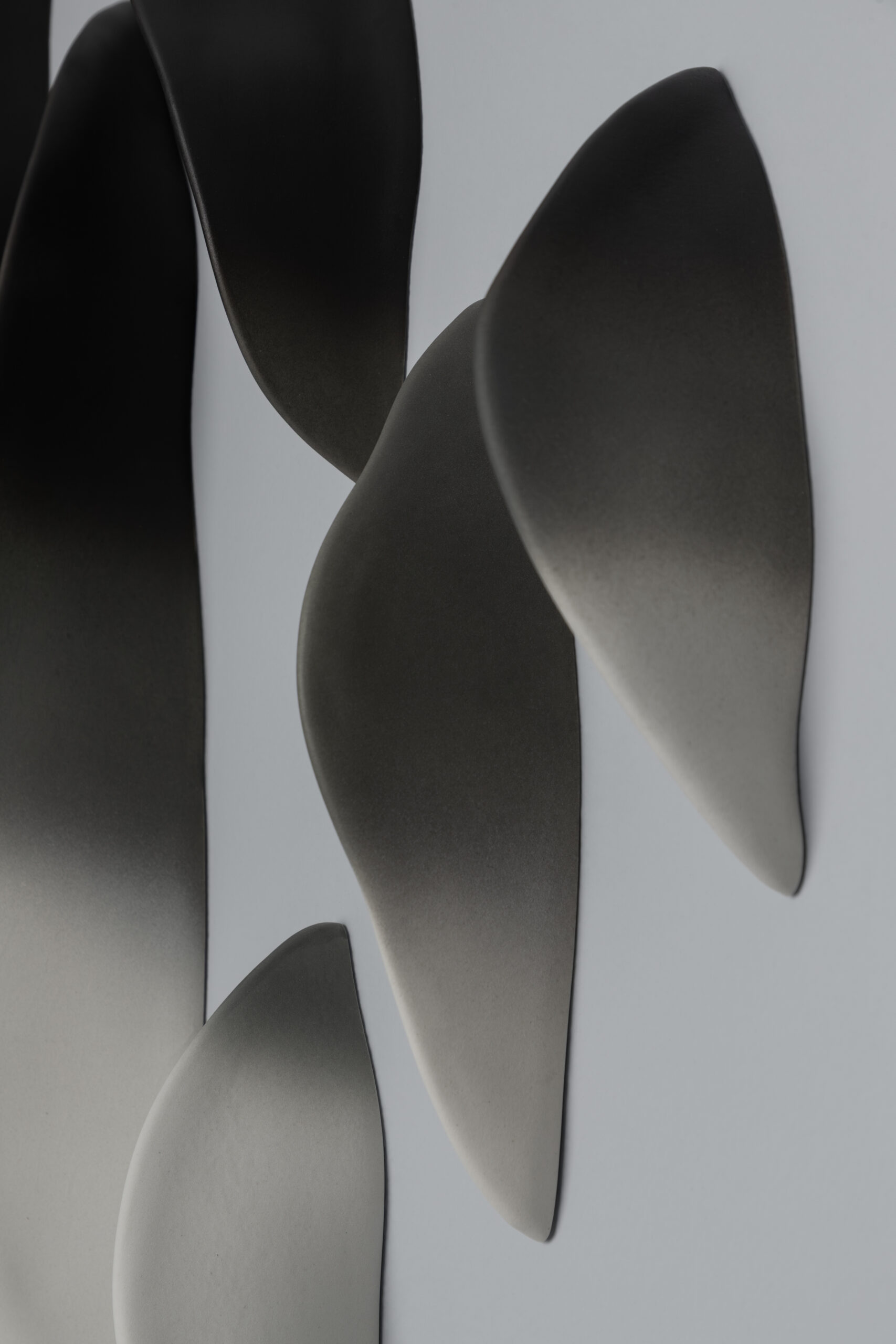
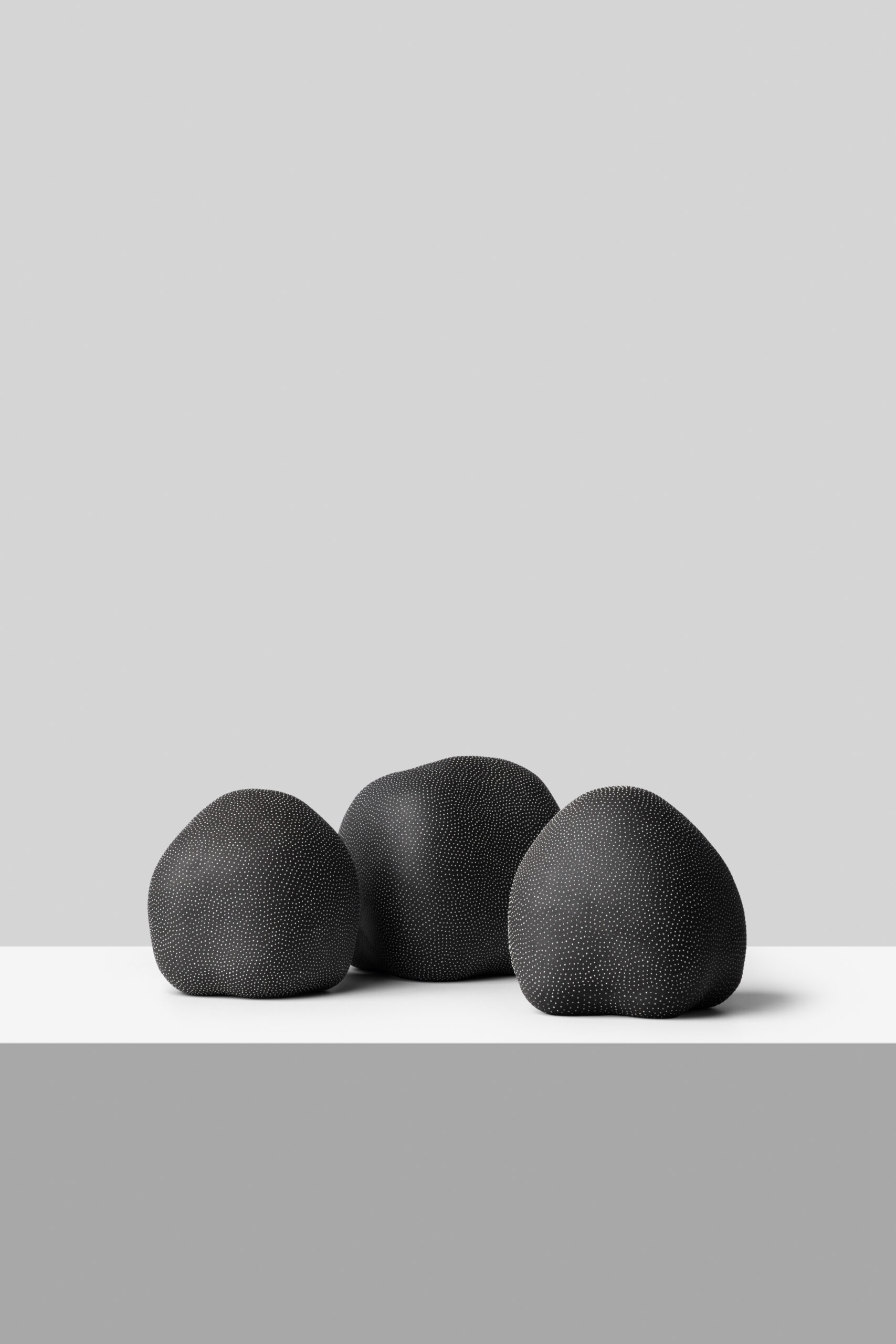
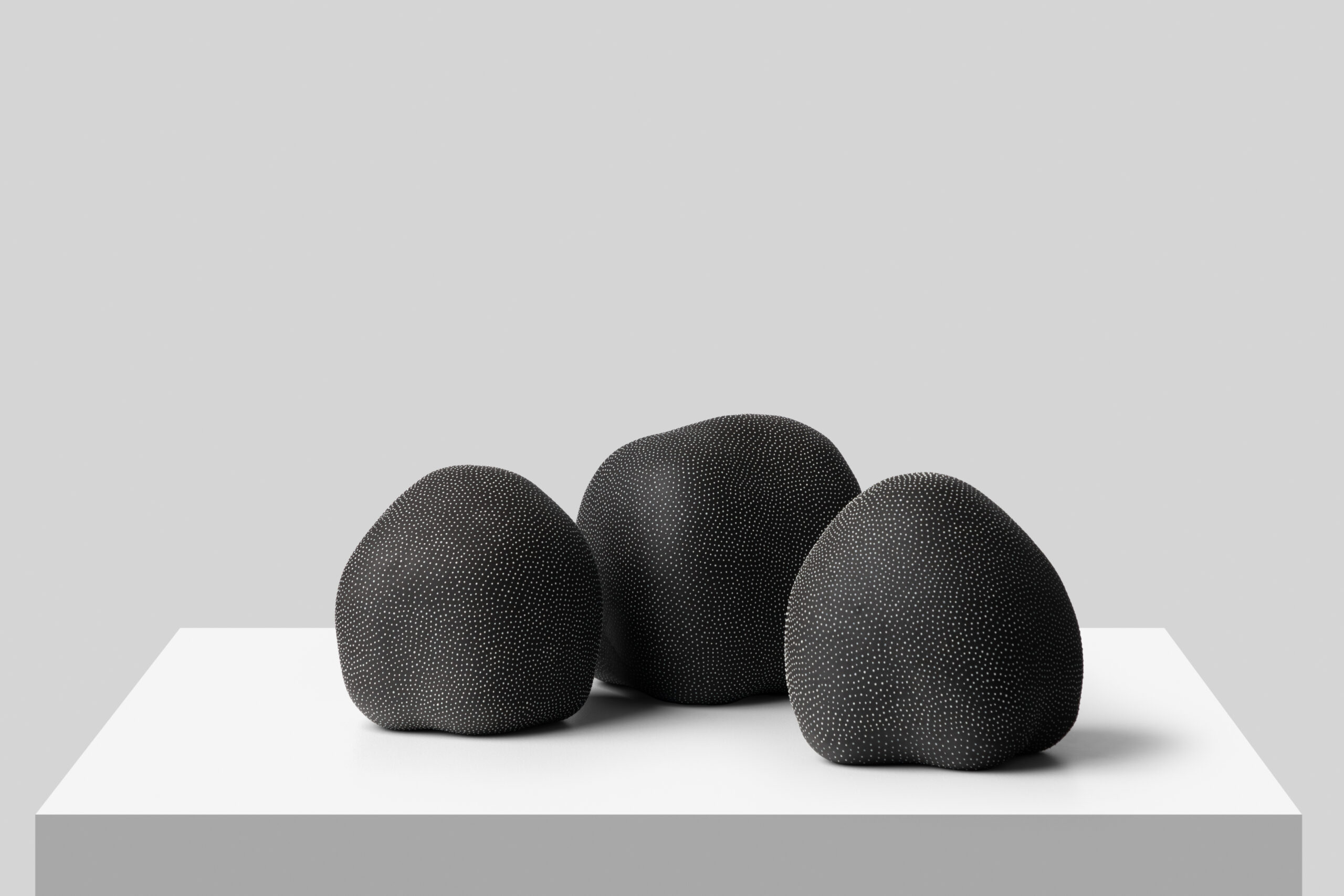
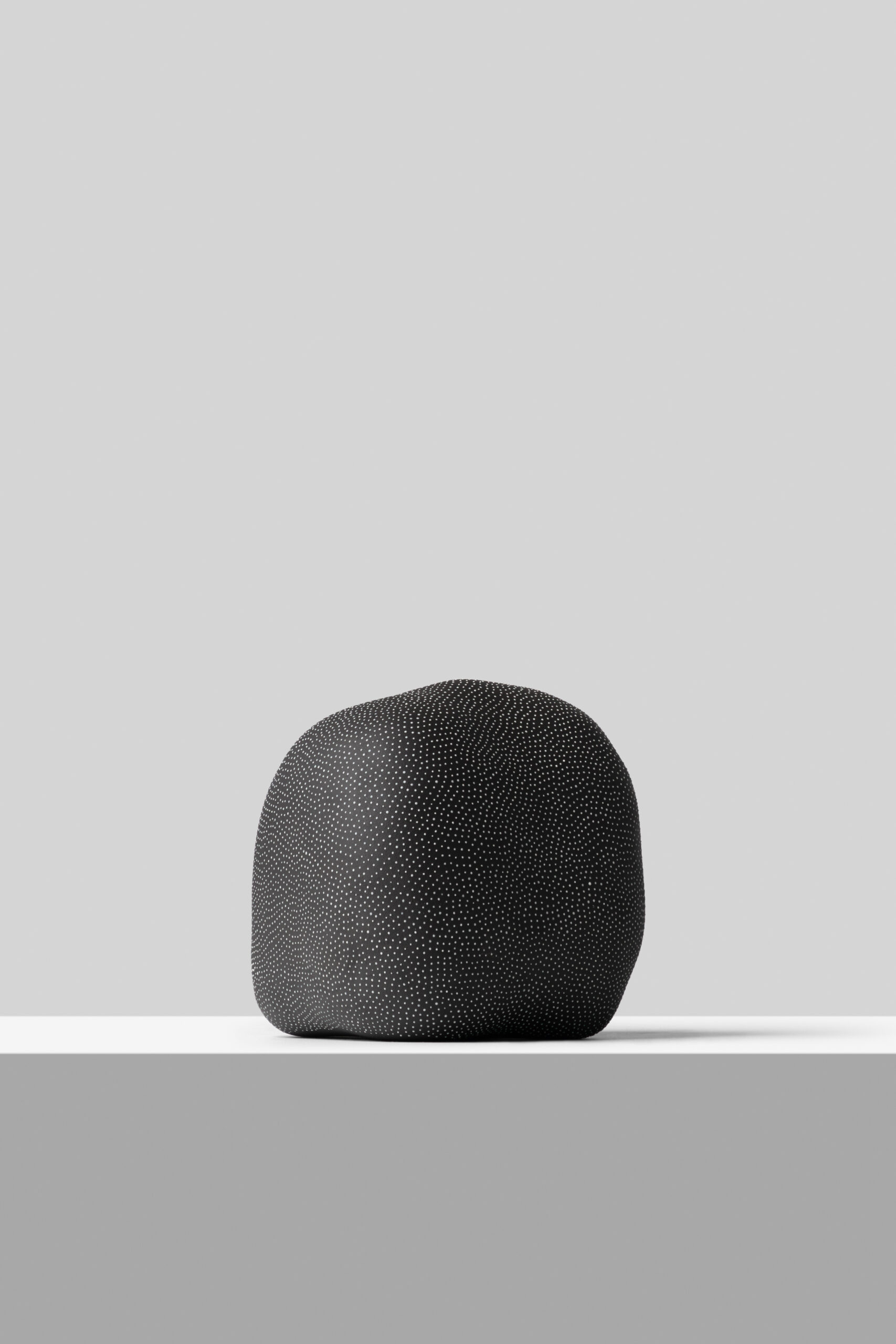
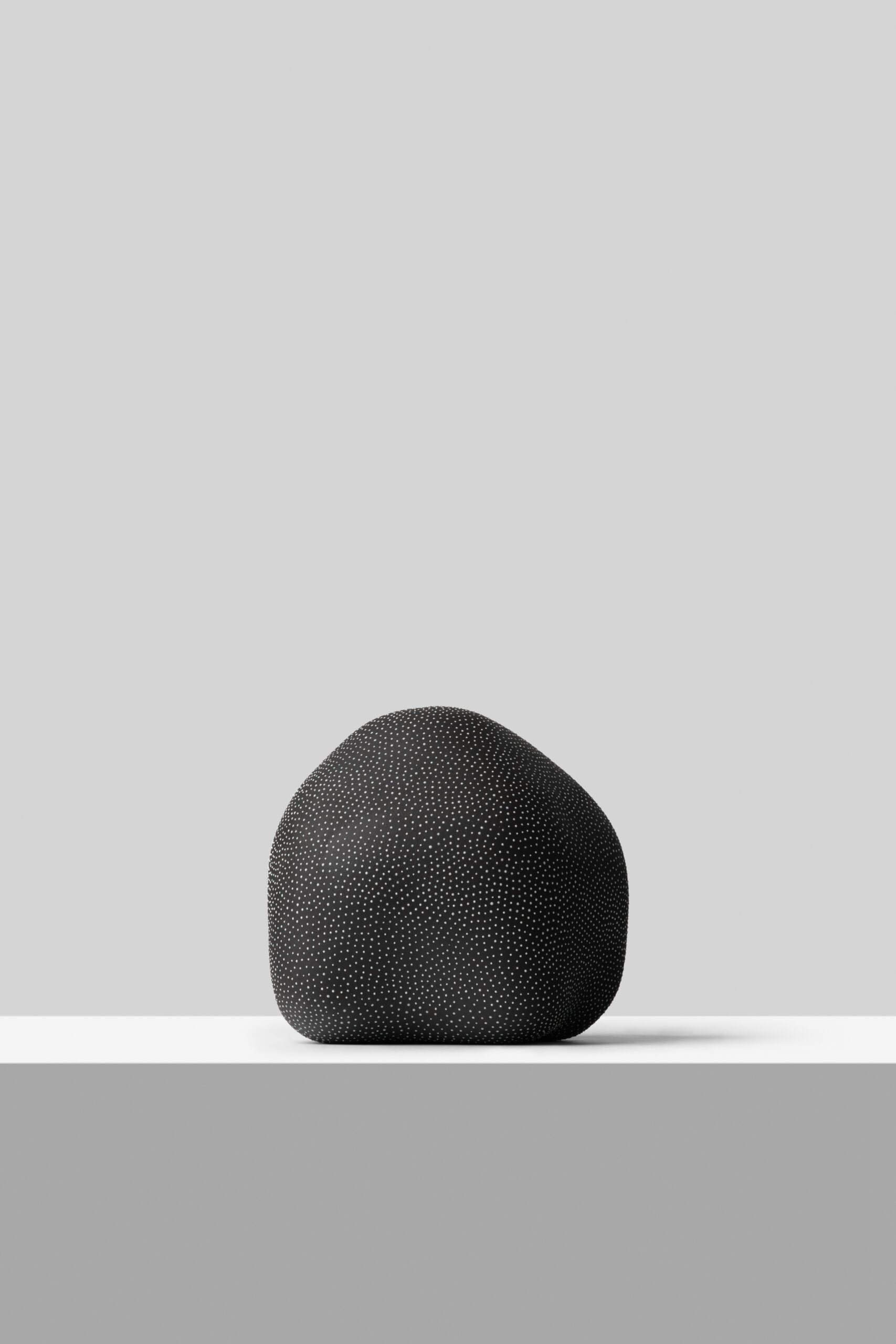
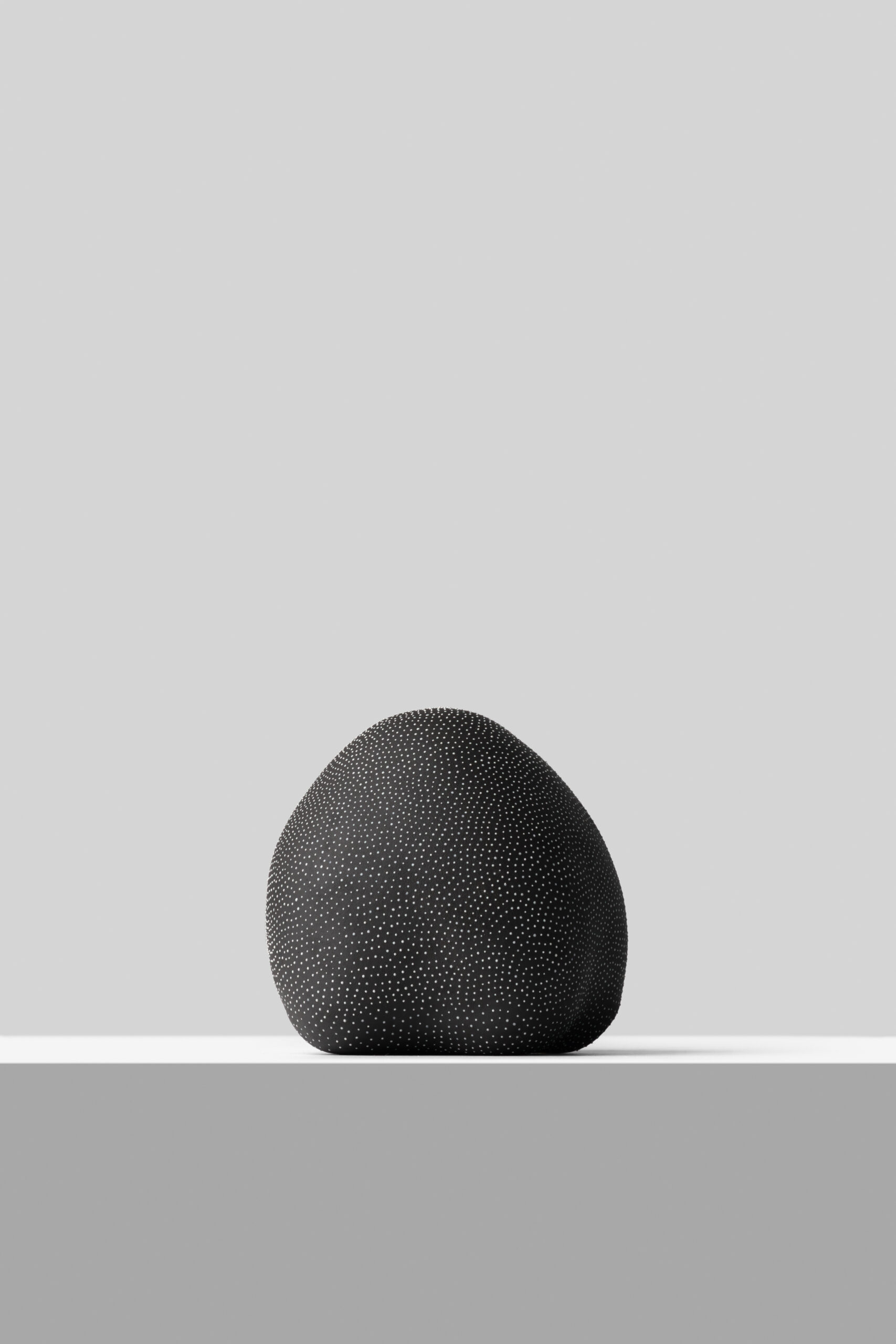
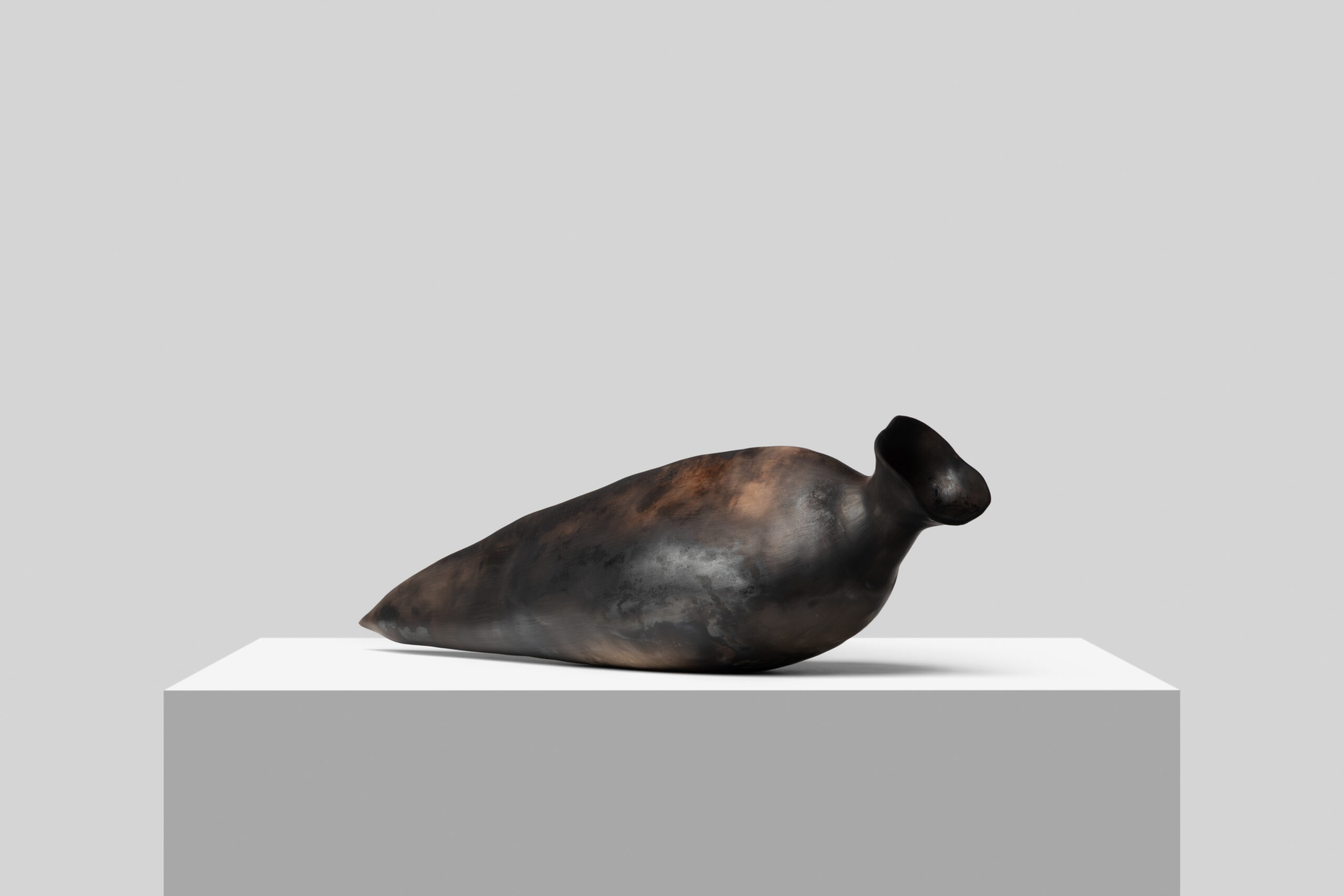
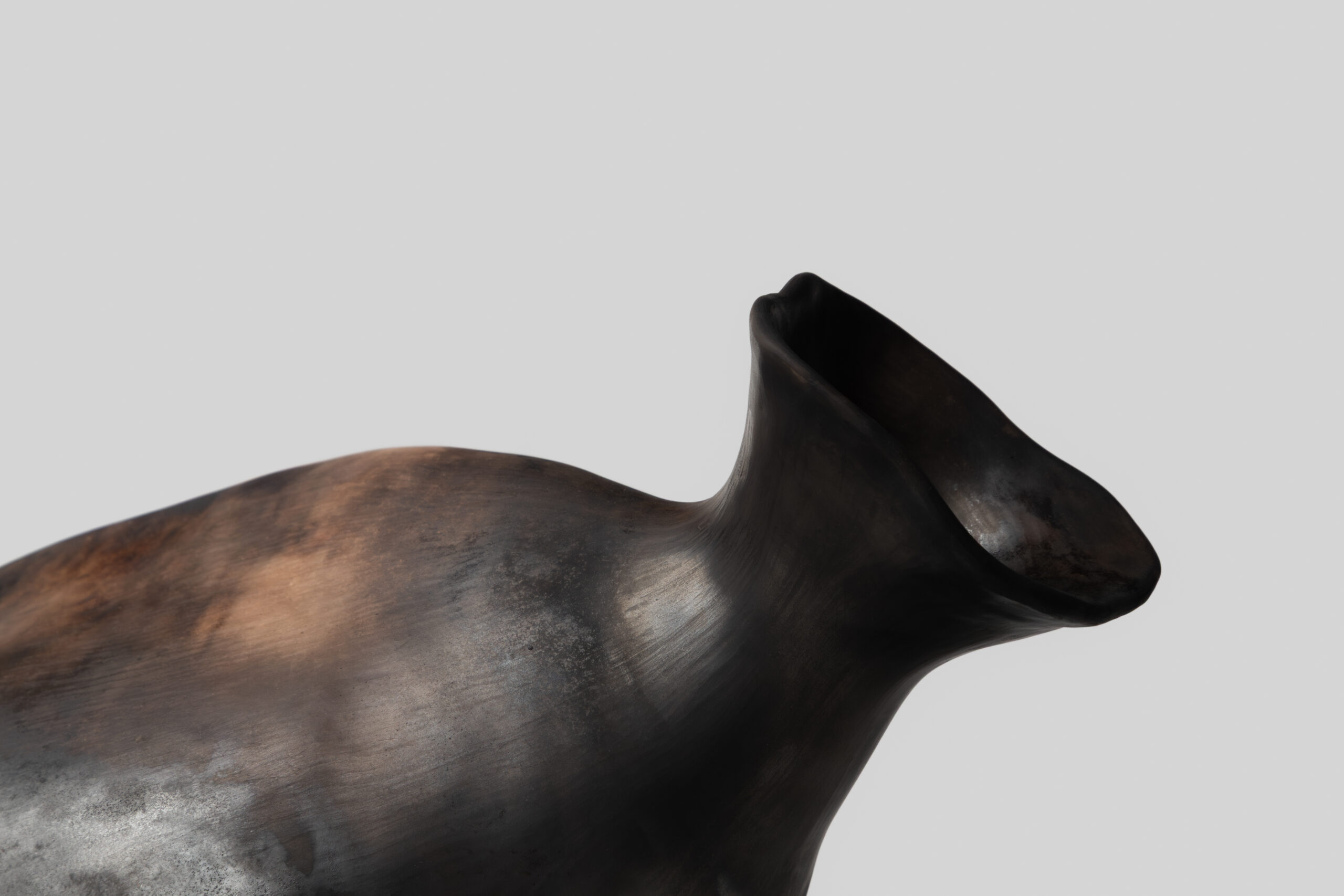
In addition to the paintings, Zavala presents ceramics that seem to emerge from the depths: what lies between and beneath the thick fog. The forms are based on conidiospores: asexual spores produced by many fungi that can cluster together like beads on a rosary or form more complex structures such as spheres. In his hands, these structures become architectures and shelters in which movements inaccessible to the eye can be sensed. This interplay is important because it emphasizes that life never reveals itself completely, and that man's illusion of dominion over nature is merely a display of power and violence.
The sculptures are smoked, a process in which fire and smoke leave their mark on the clay. This technique seeks collaboration both with organic matter—which is brought close to the ceramic surface to leave its imprint—and with chance: smoke stains, temperature breaks, fire transforms.
PENUMBRA, in its misty quality and perceptual finitude, leads us to the astonishing moment when we understand that seeing is not configuring a surface from the absolute reticular and sharp, but rather welcoming among bodies—human, vegetable, celestial, animal—the non-whole that constitutes us.
Available pieces