

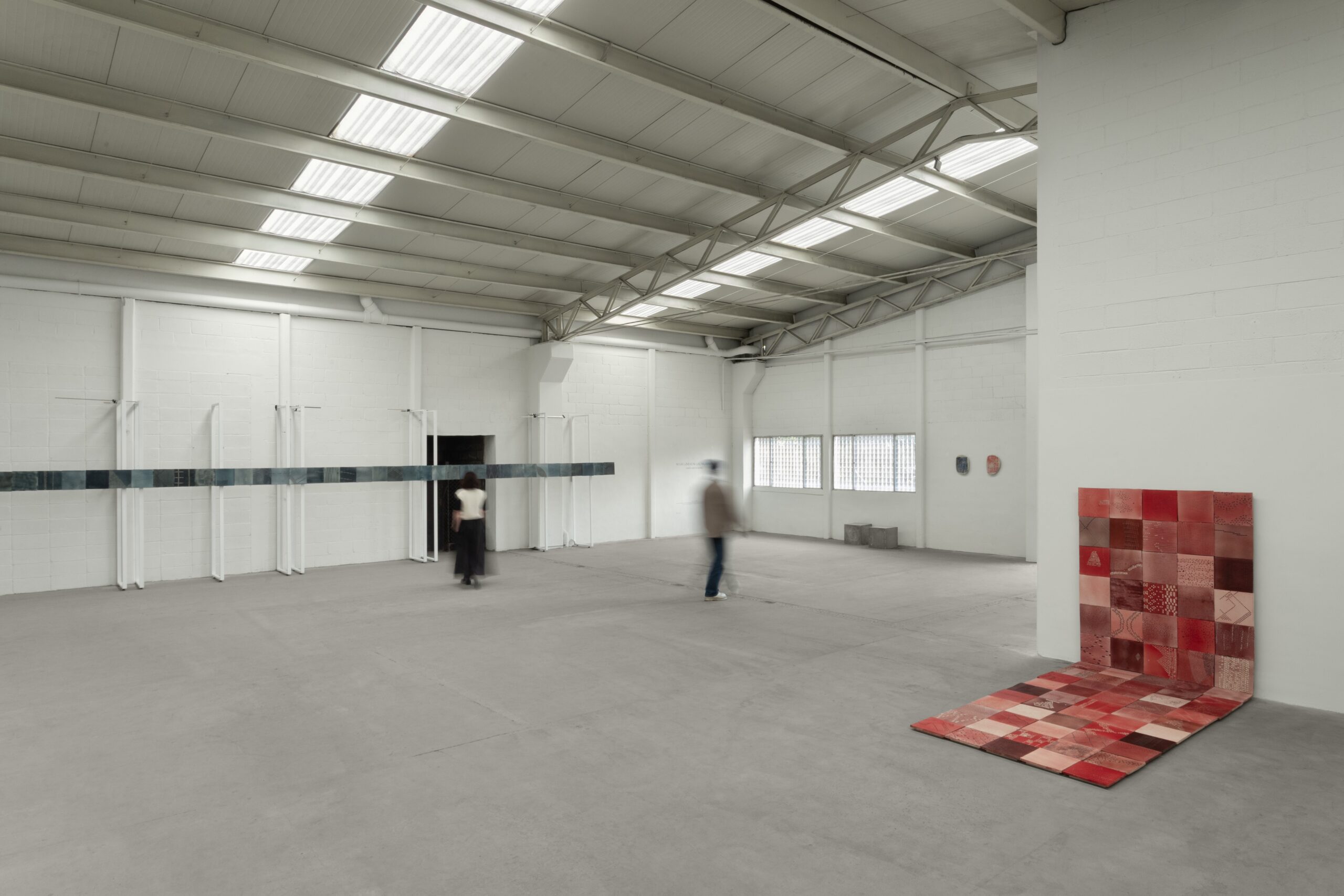
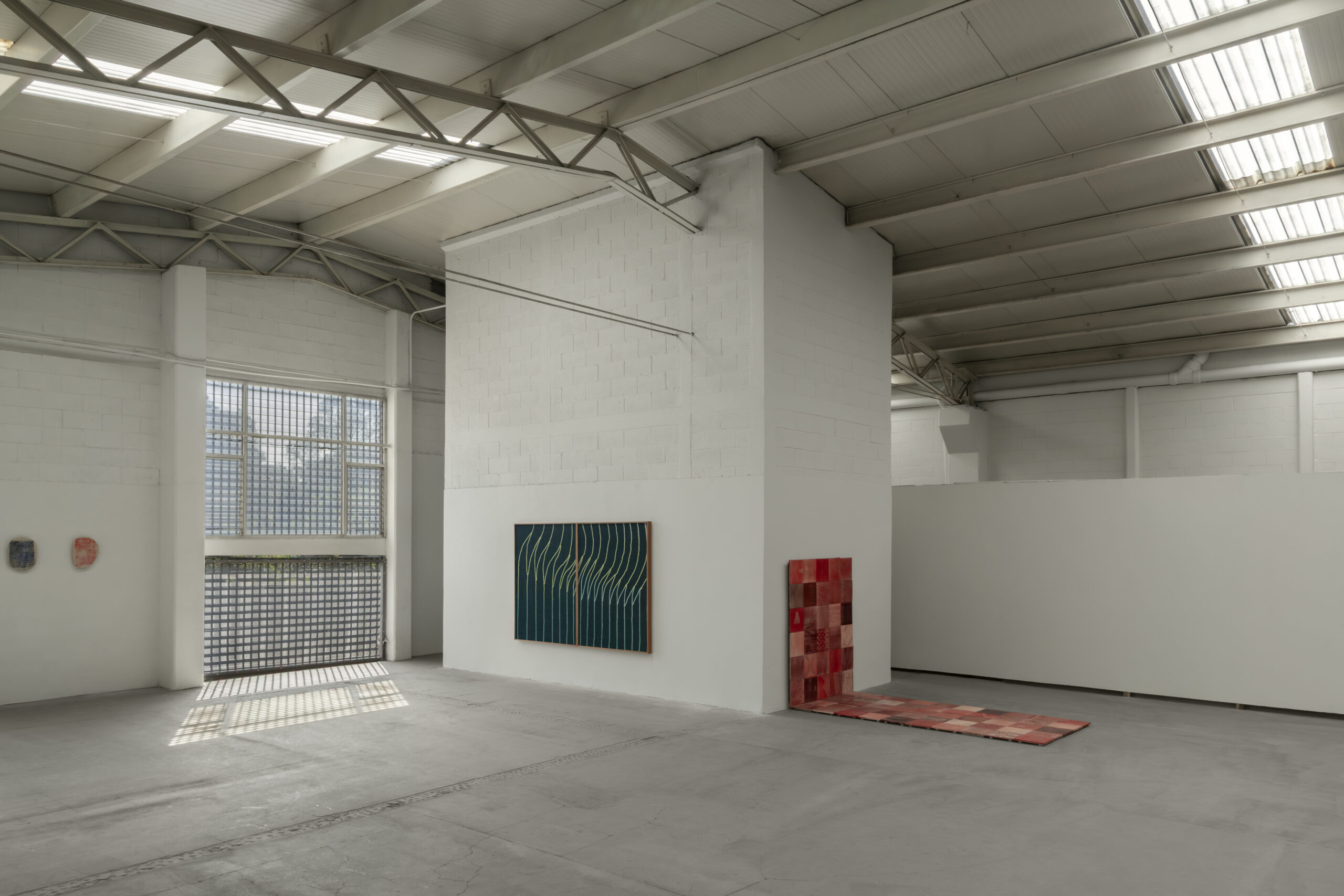
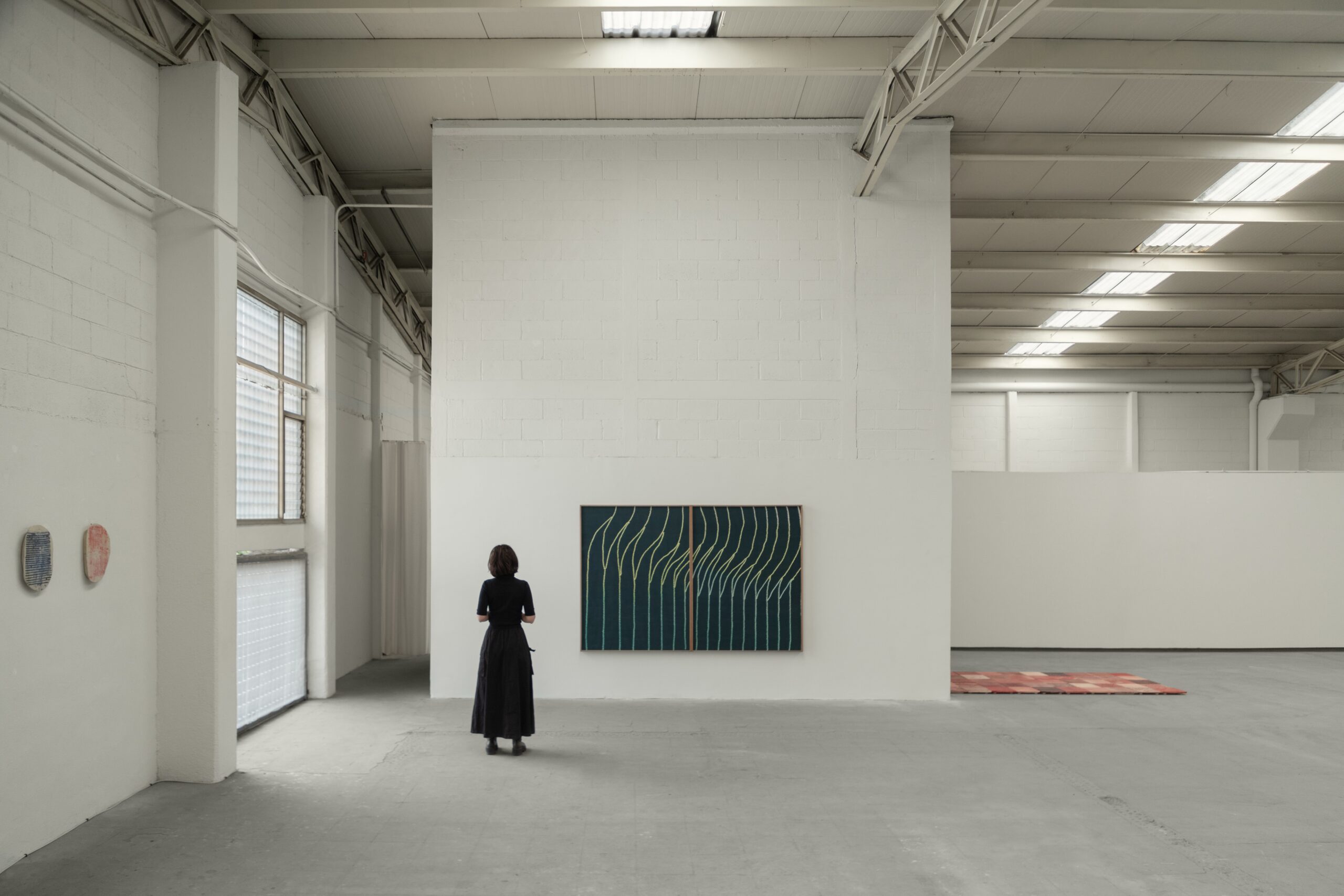
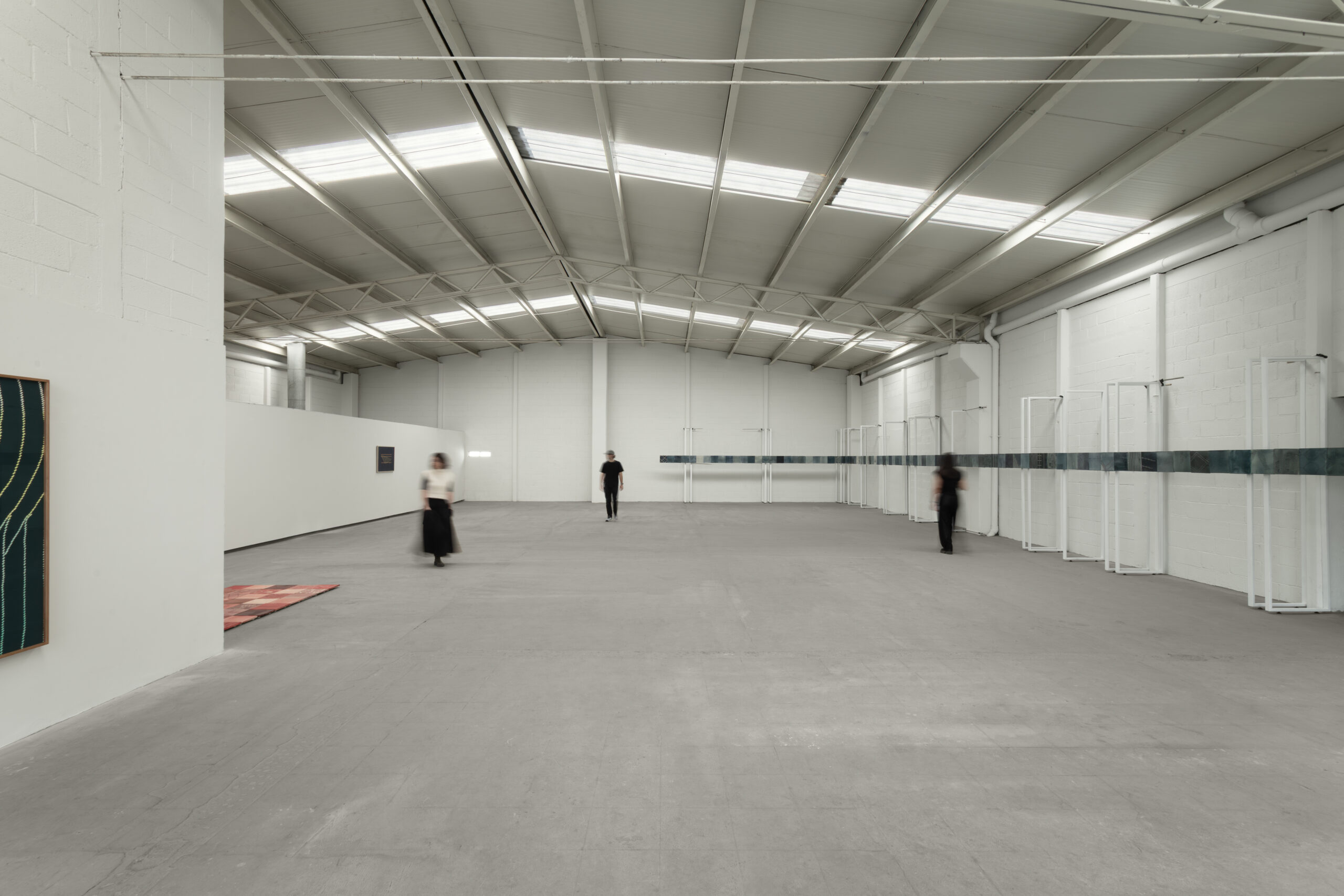
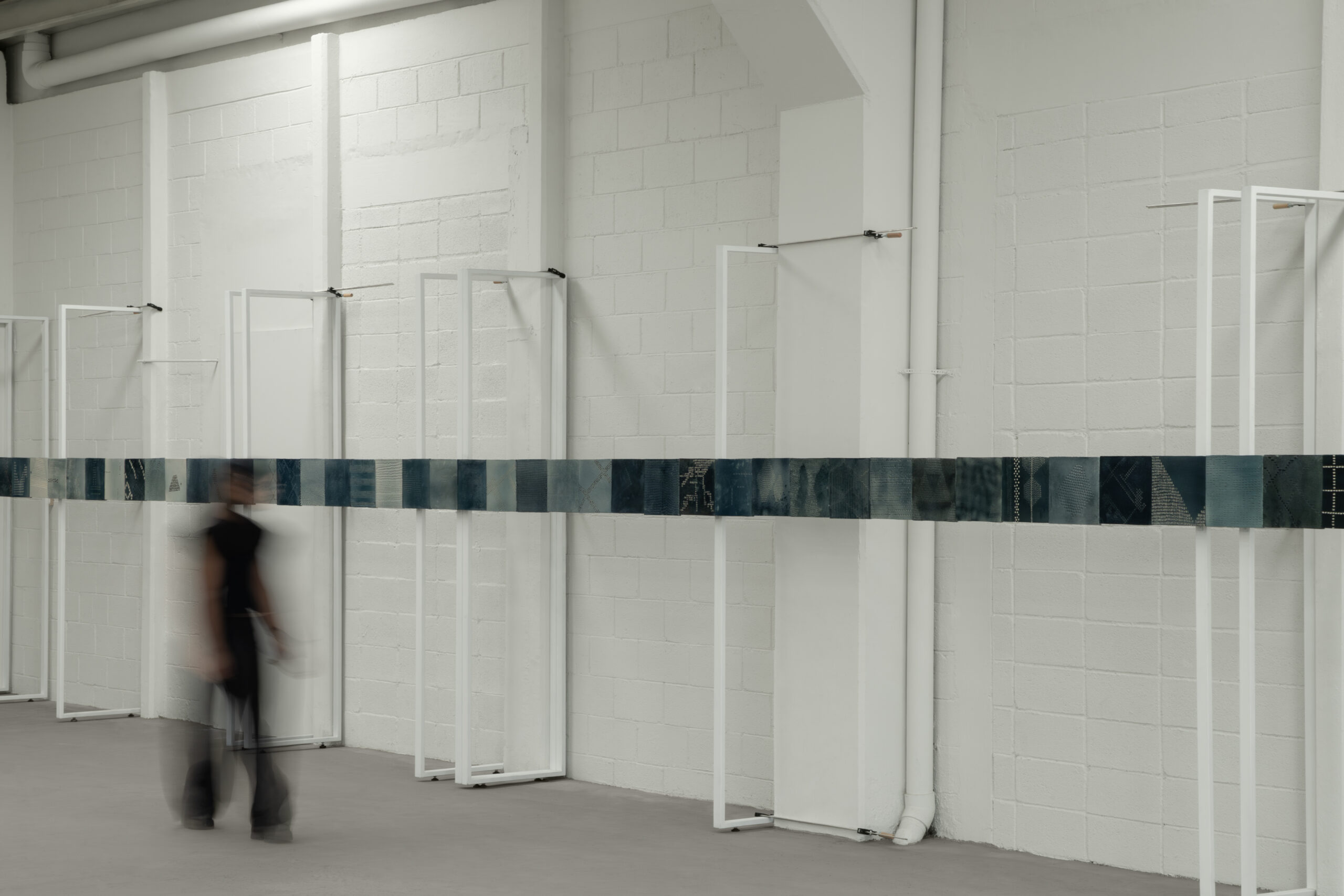
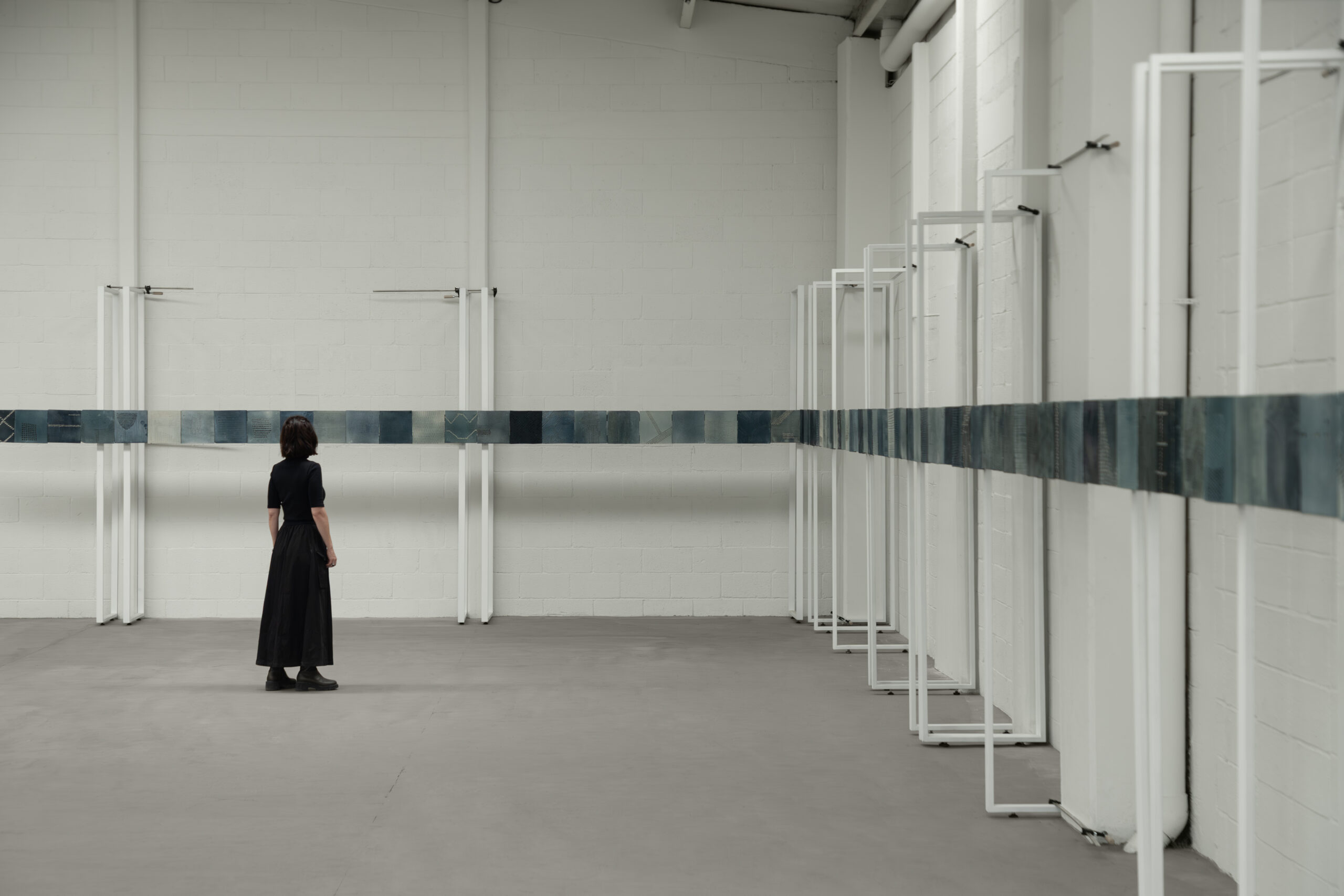
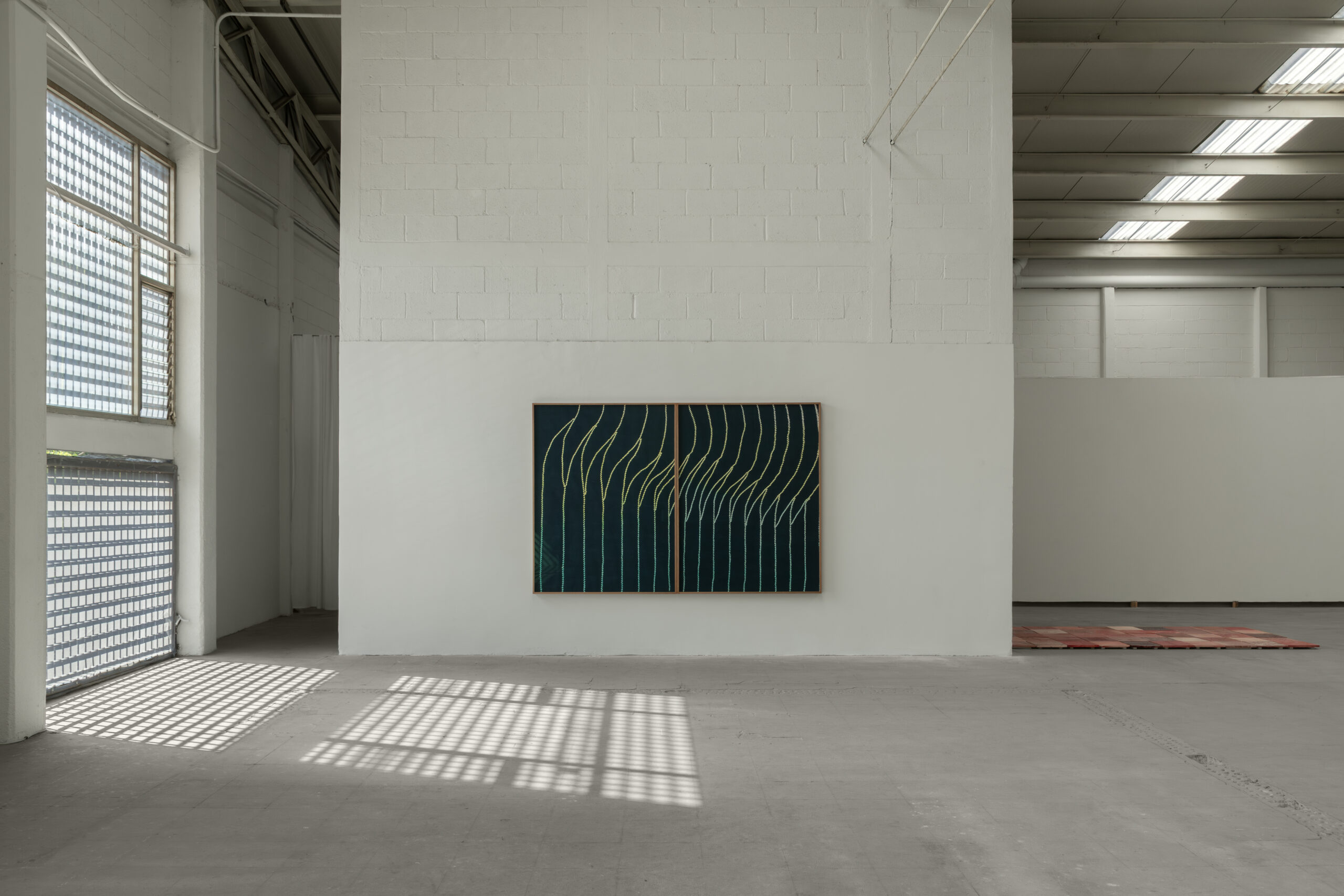
Before meaning, there was gesture. A movement of the body encountering matter. In María García Ibáñez's work, we enter the territory of this contact from the asemic: a language that has abandoned the obligation to name, freeing the line from its servitude to the word. Here, writing does not remain silent, but speaks in a haptic language, prior to the dictionary.
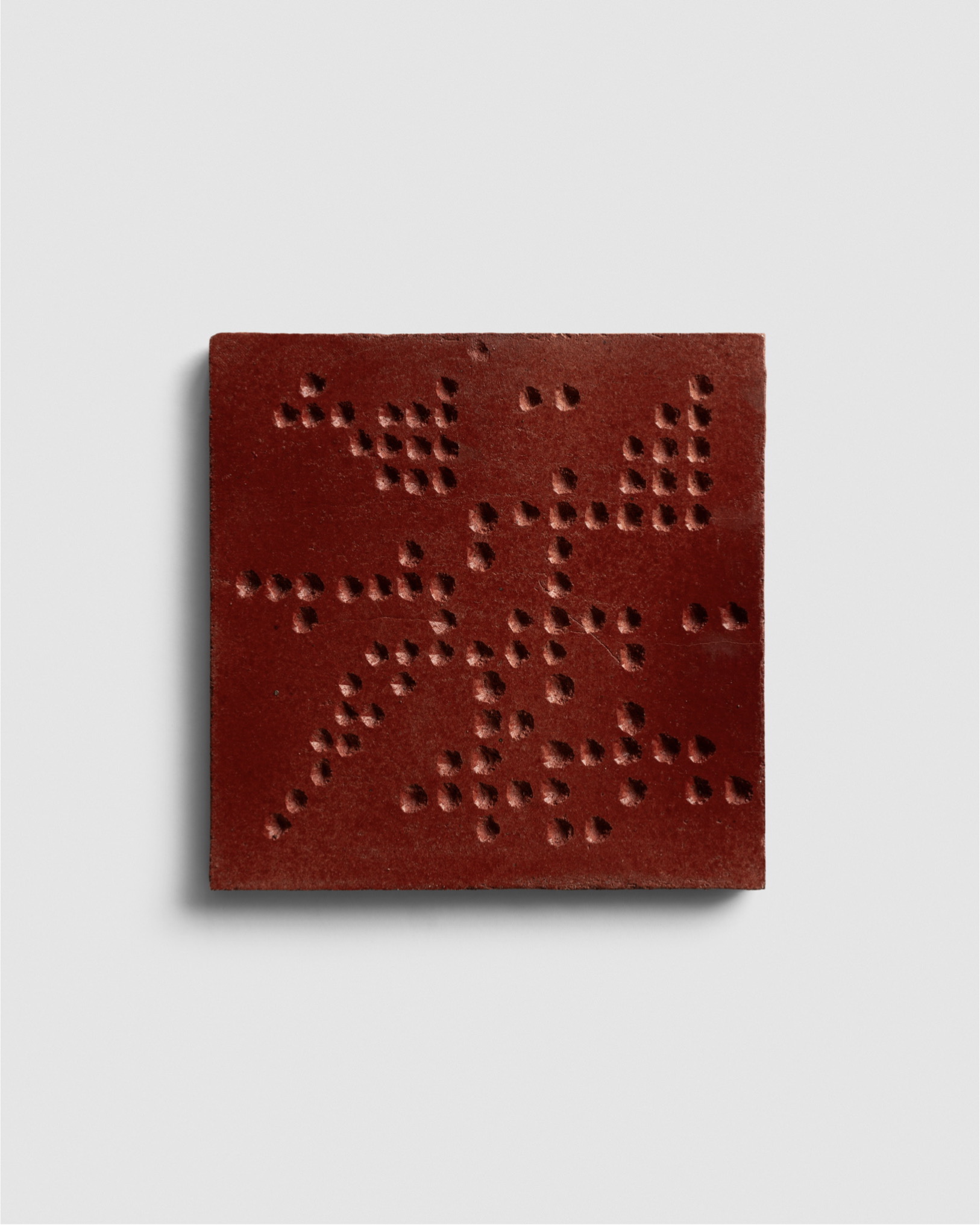
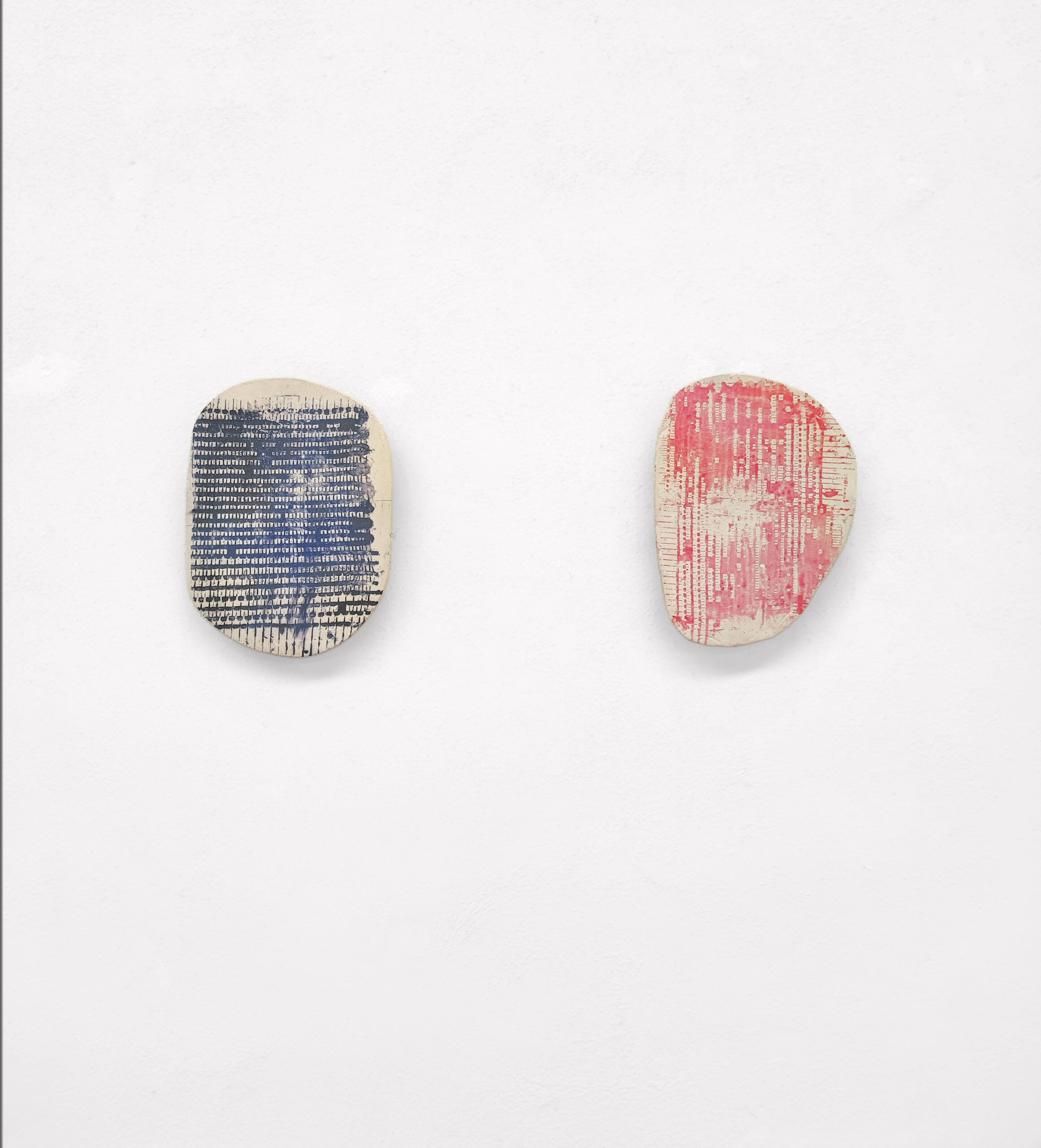
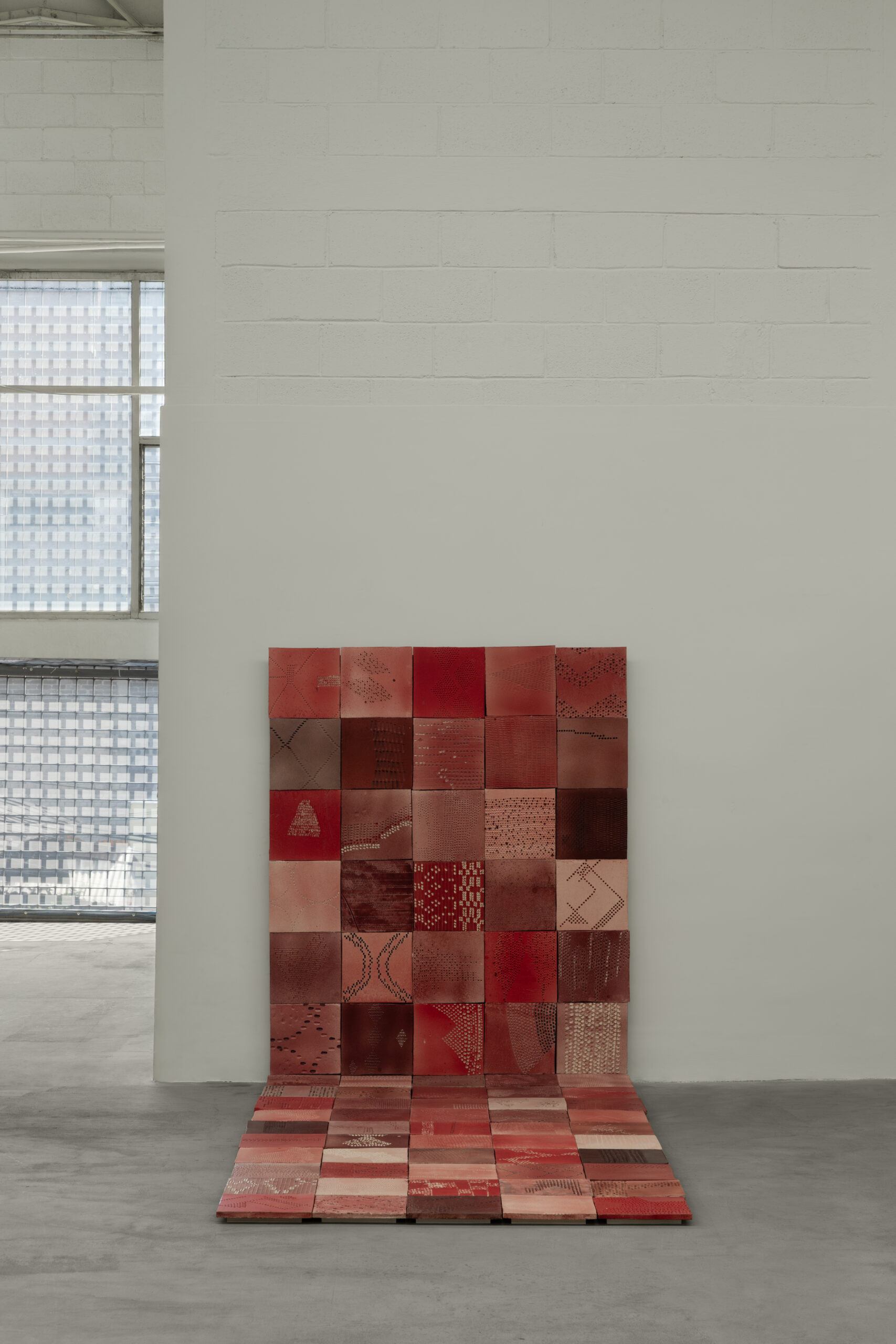
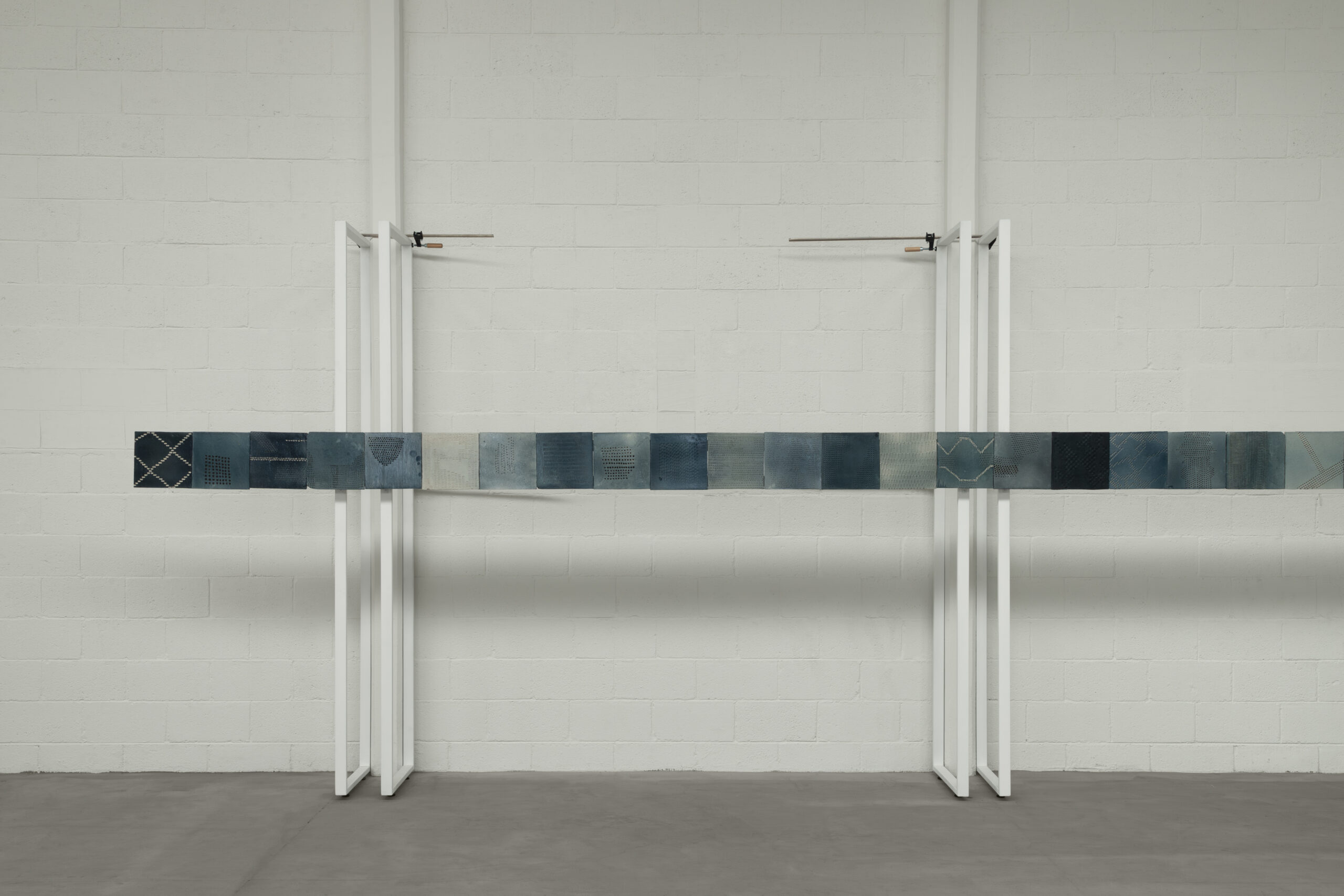
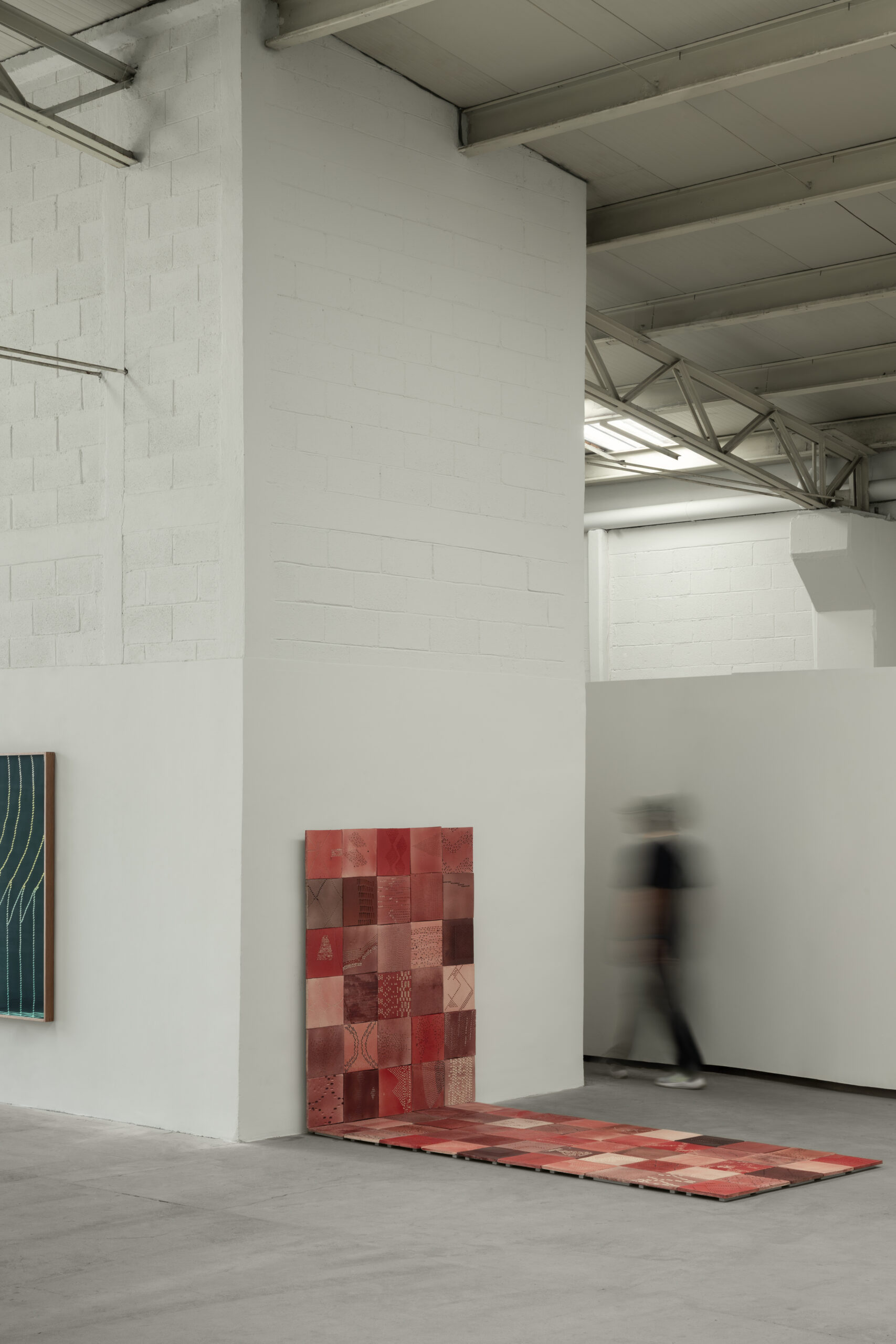
Let us think of writing and drawing as grammars of traces, of differences that repeat themselves. In Ni las líneas ni las palabras (Neither Lines nor Words), this repetition does not seek to fix a message, but rather to generate a rhythm. That of the body pressing the clay, of the finger furrowing the surface, of the hand calculating the contours and the negative space. Each tile is a canvas where the artist proposes a space, a text, and an image at the same time. A rhythm that is the heartbeat, breath, and beat of continuous doing.
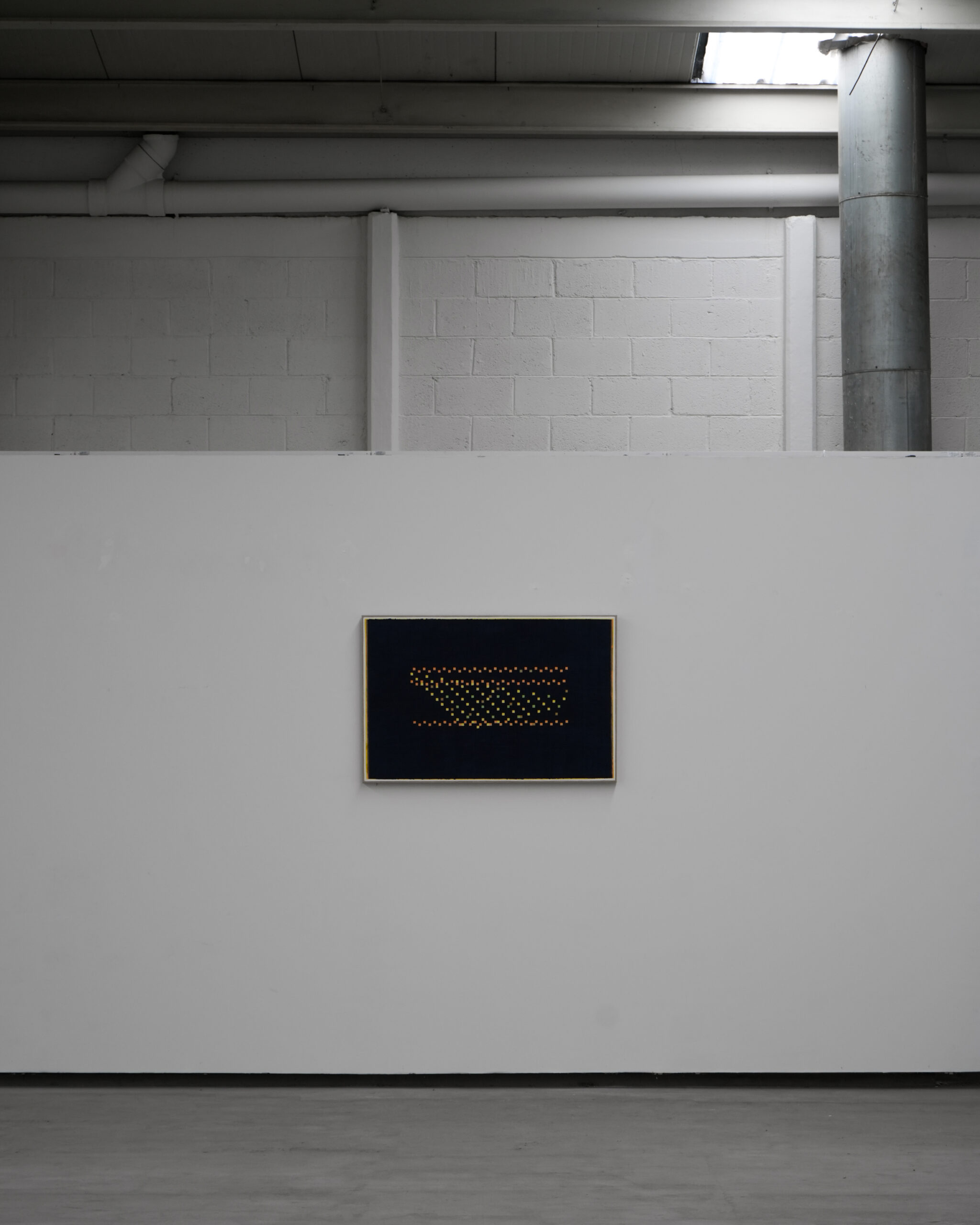
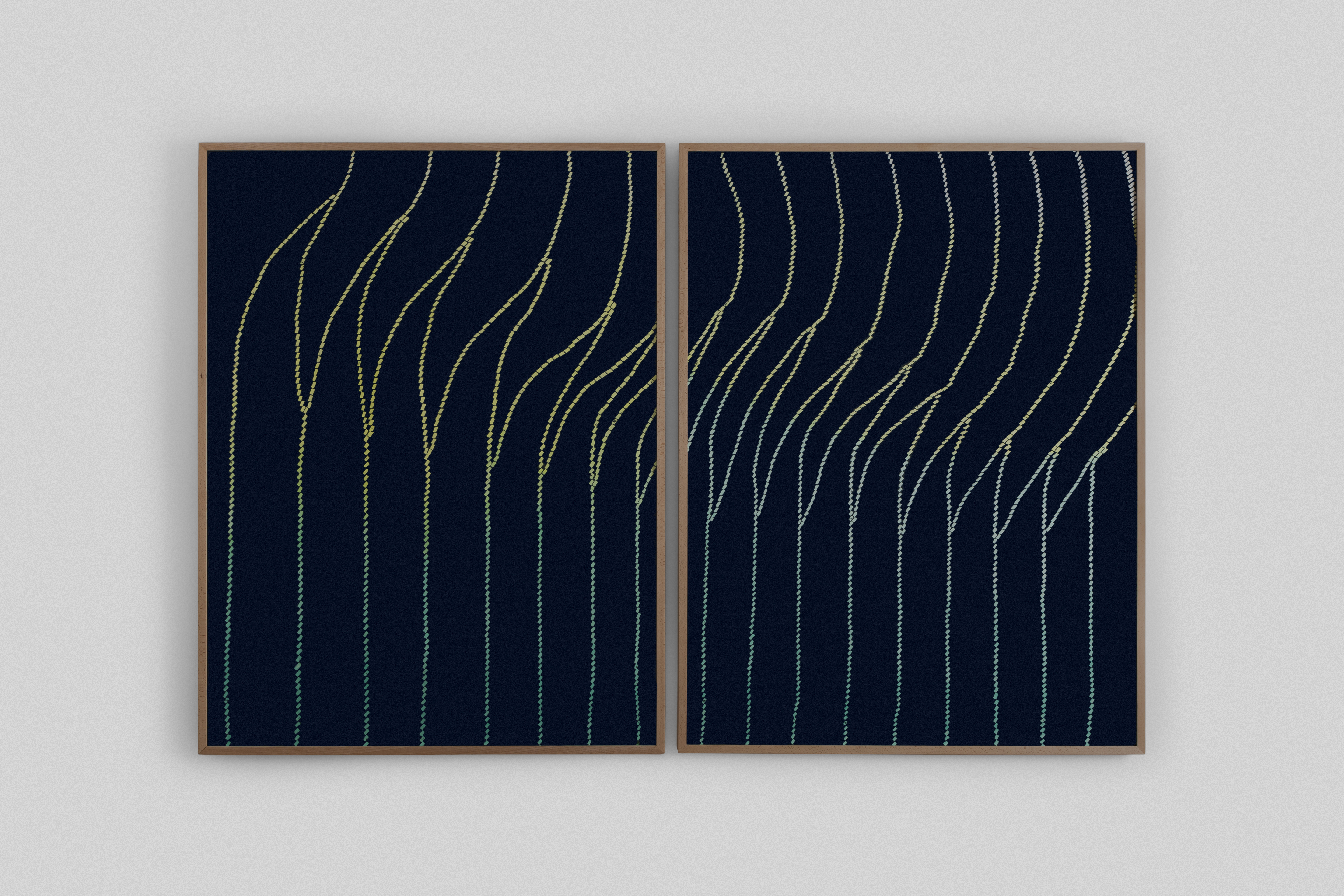
Don't read, feel. Let your eye follow the movement. You will discover that each piece is not an isolated phrase, but an ecology that feeds back into itself with each reading. As in Jane Bennett's philosophy, here the world is a set of vitalisms and encounters between matter that affects each other. These pieces are not inert objects; they are bodies that relate, listen, and respond. The assembly is not a static composition, but a momentary constellation of forces and open-source messages.
Ceramics is the soul of this language. It is not a docile medium; it is a witness that has been through the four elements. Clay that holds in its memory the vibration of the gesture that shaped it, which depends not only on the artist, but also on an ancient vocabulary, a context, and a collective agency that takes place every time a body inscribes something on the earth. Every crack, every glaze in the enamel worked like watercolor, every fingerprint, is a syllable in this poem. The weight of each piece speaks to us of gravity, of the earth from which it emerged and to which it tacitly returns. It reminds us that every body, no matter how ethereal it may seem, is embodied.
In this dialogue of presences, negative space emerges as a silent protagonist. The voids between the forms and the pauses between the strokes are not simple absences, but active breaths. This space, so characteristic of María's work, opens an interval where the gaze rests and the drawing expands to reverberate in the air, inviting us to perceive not only what is, but also what could be.
Walking through this exhibition is a choreographic act. Our bodies move among clay bodies, resonating with them. We perceive the small canvases not as images, but as energy suspended in matter.
Ni las líneas ni las palabras is, ultimately, an invitation to recognize one's own pulse in contact with another's imprint. To perceive the murmur of matter, the cadence of doing, and the thrill that arises when gesture connects with earth, body with sign, and us with the eloquent assemblage of a world that writes itself, over and over again, without the need to dominate anything.
Sandra Sánchez
Available pieces